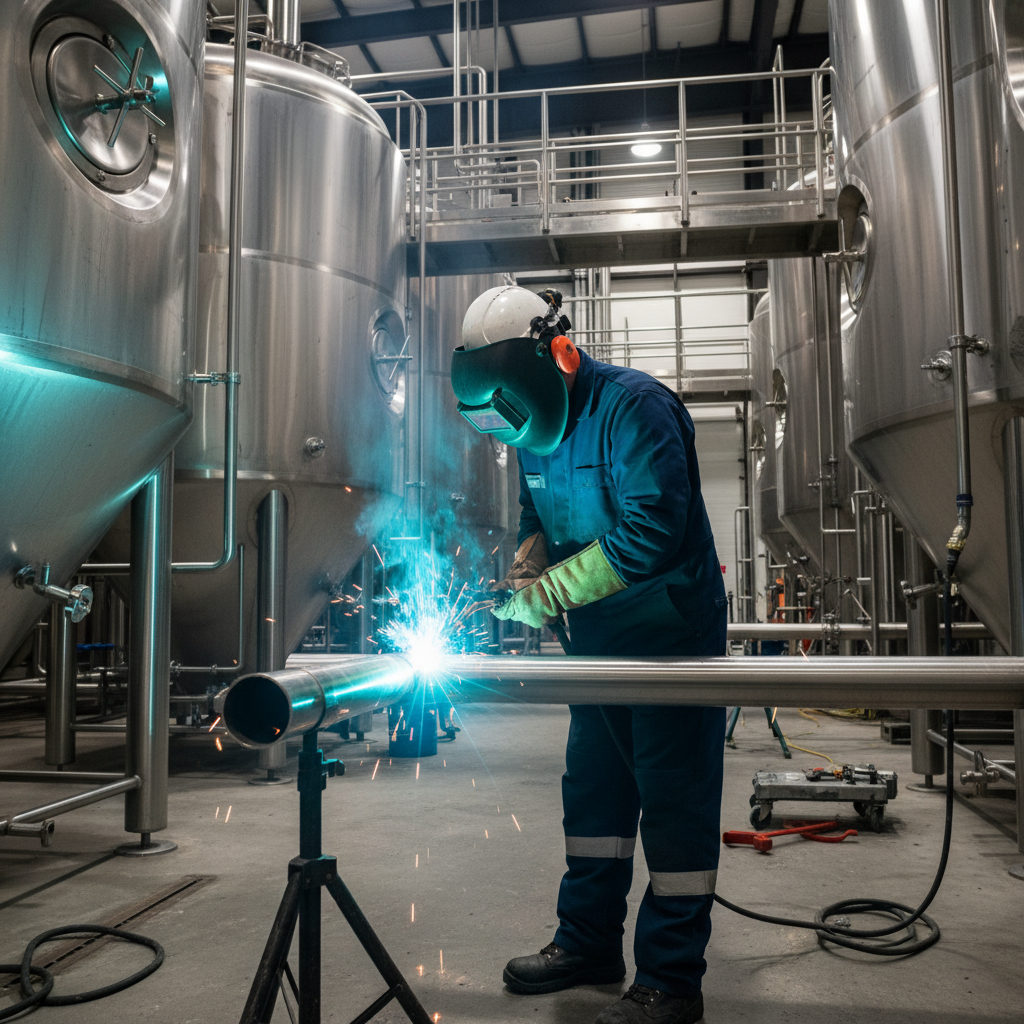
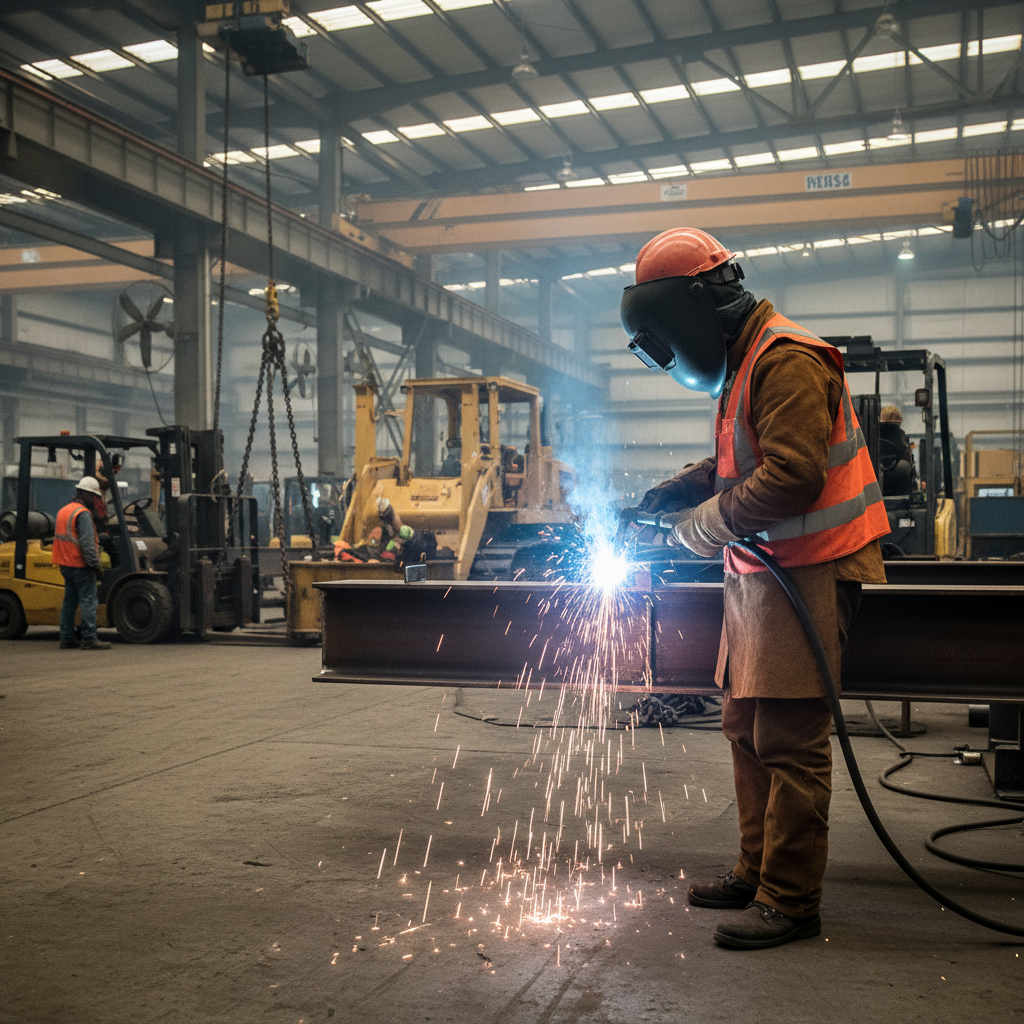
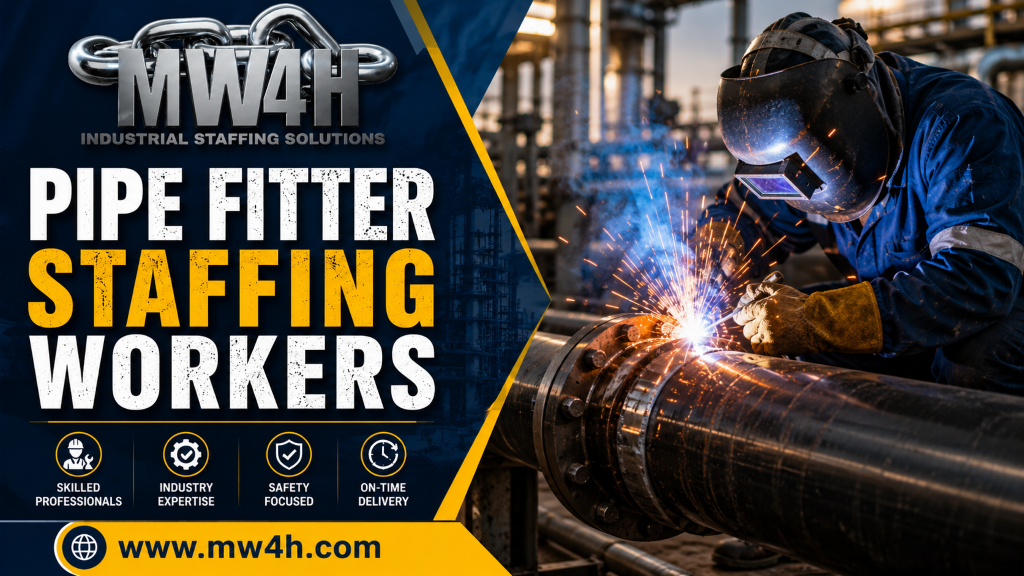
Every industrial project, from a steel-framed warehouse to a busy furniture production line, depends on something that never quite makes it onto the blueprints: the people actually holding the torch. Welders staffing workers are the quiet backbone of construction sites, fabrication shops, and manufacturing plants right across the USA. Without the right welding talent in place, even the best-engineered project can grind to a halt.
This is more important than most would think for furniture companies looking for expansion in their steel and metal framed furniture collections. The people who weld a sturdy dining table frame, industrial shelving unit or outdoor patio set know how to do it and do it right the first time. If you get the staffing wrong you'll be facing delays, rework, safety risks and all of the way through an entire supply chain.
In this guide, we'll look at why welders staffing workers matter, how they fit alongside iron worker staffing workers, industrial construction staffing workers, and crane operator staffing workers, and what furniture and industrial businesses should look for when building a workforce they can actually rely on.
Hiring welders is more than just getting a welder and a welding certificate and sending him or her to a jobsite. It's all about getting the correct welding method MIG, TIG, stick or flux-core on the right job and completing it in a timely manner, without missing your deadlines.
A good staffing partner will look for the right person for the job, rather than just the right qualifications on paper, and will realise that a welder who excels at structural steelwork is not the best candidate for the task of creating furniture frames or shopfitting projects.
Ask any site manager and they'll tell you the same thing: a project is only as strong as its welds. That's true whether you're erecting a steel-framed building or manufacturing metal-legged furniture at scale.
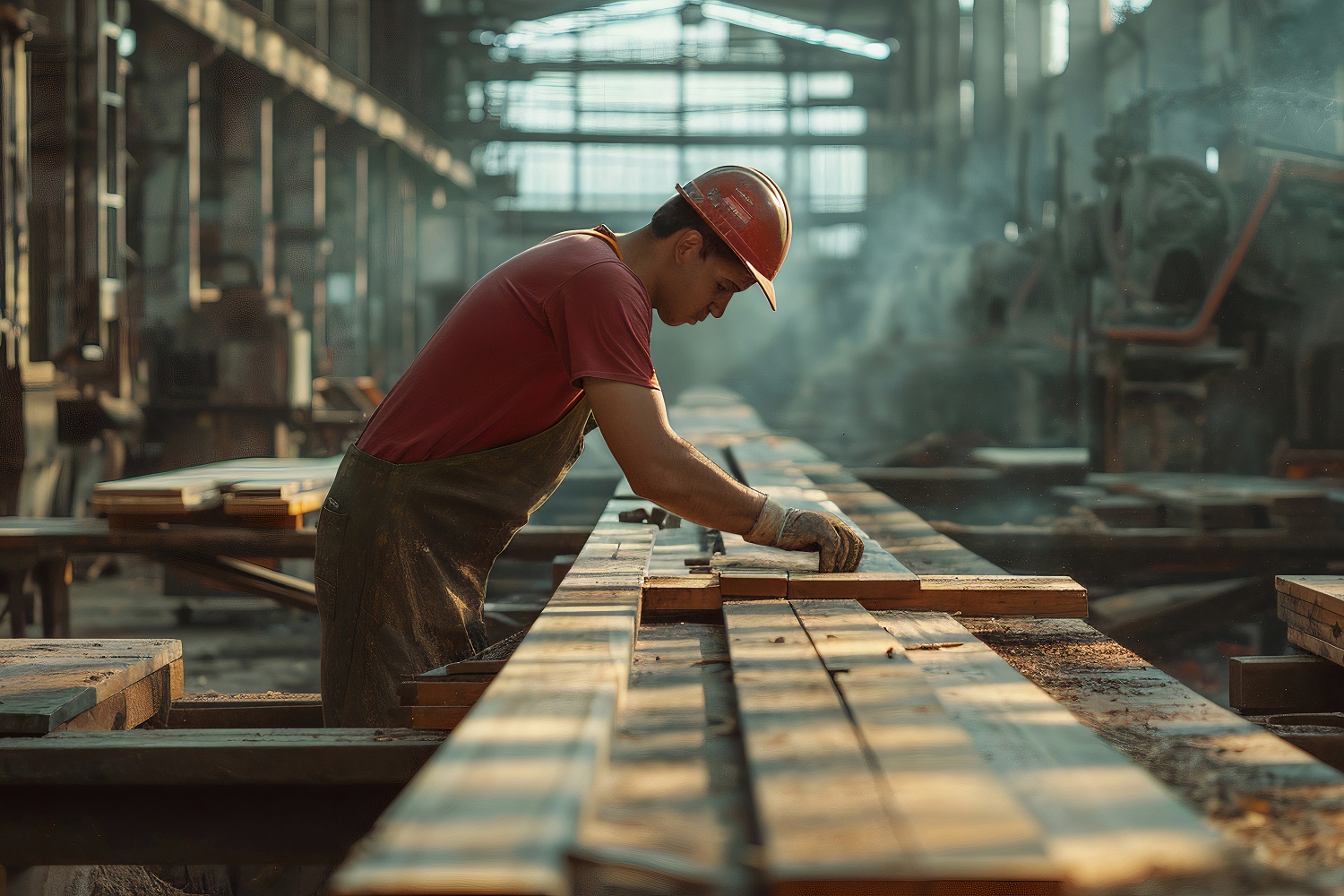
Welding is often seen as just a profession for the construction site, but it's a skill that is required in metal-framed furniture production too. The welded frames to make industrial style dining sets, steel/wood hybrid sofas, café and restaurant furniture and outdoor patio ranges are all made correctly the first time because a wobbly chair leg or an uneven table frame is a “return” issue waiting to happen.
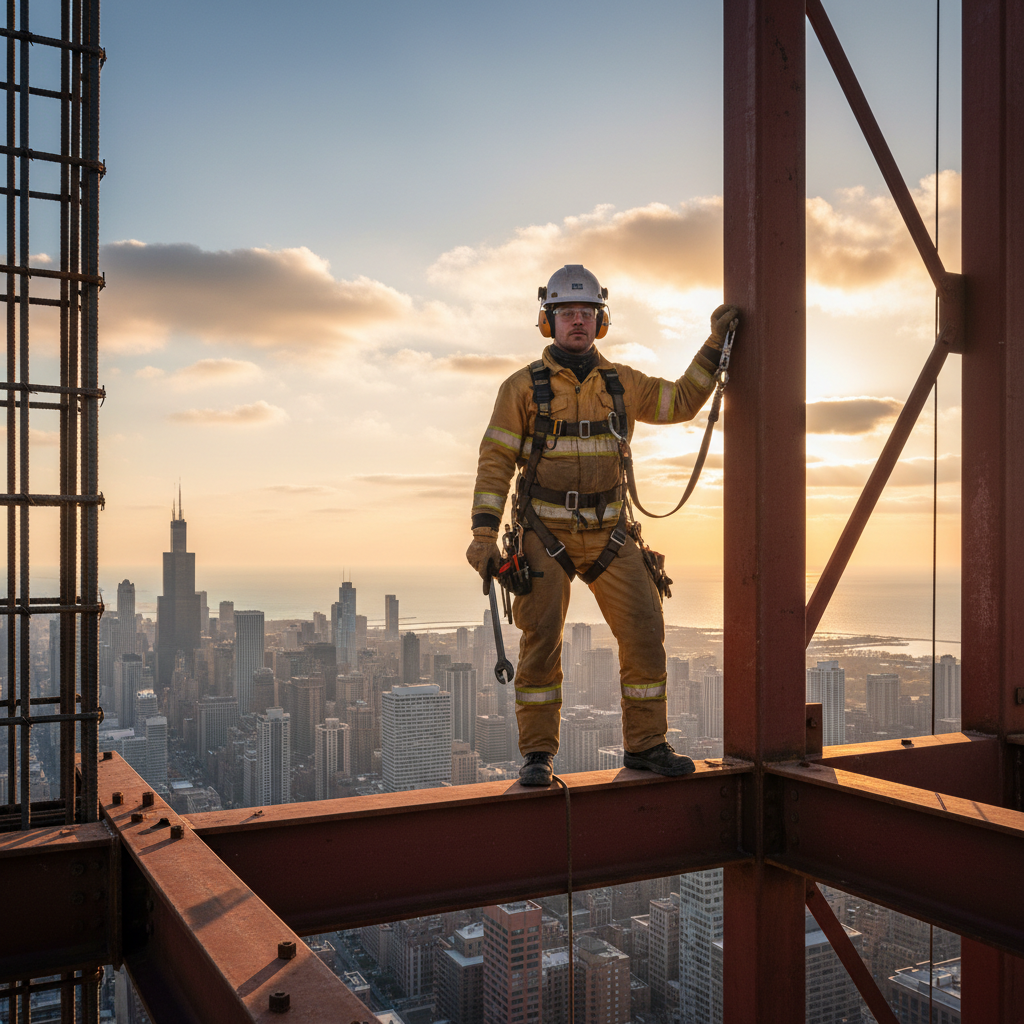
Warehouse expansion is another overlap. Furniture brands building new storage or distribution space need racking, mezzanines, and structural steelwork erected properly, which is where iron worker staffing workers and welders staffing workers end up working side by side on the same site.
This is exactly why furniture and industrial businesses are searching directly for a dedicated welders staffing service rather than relying on generic labour agencies that don't understand the trade.
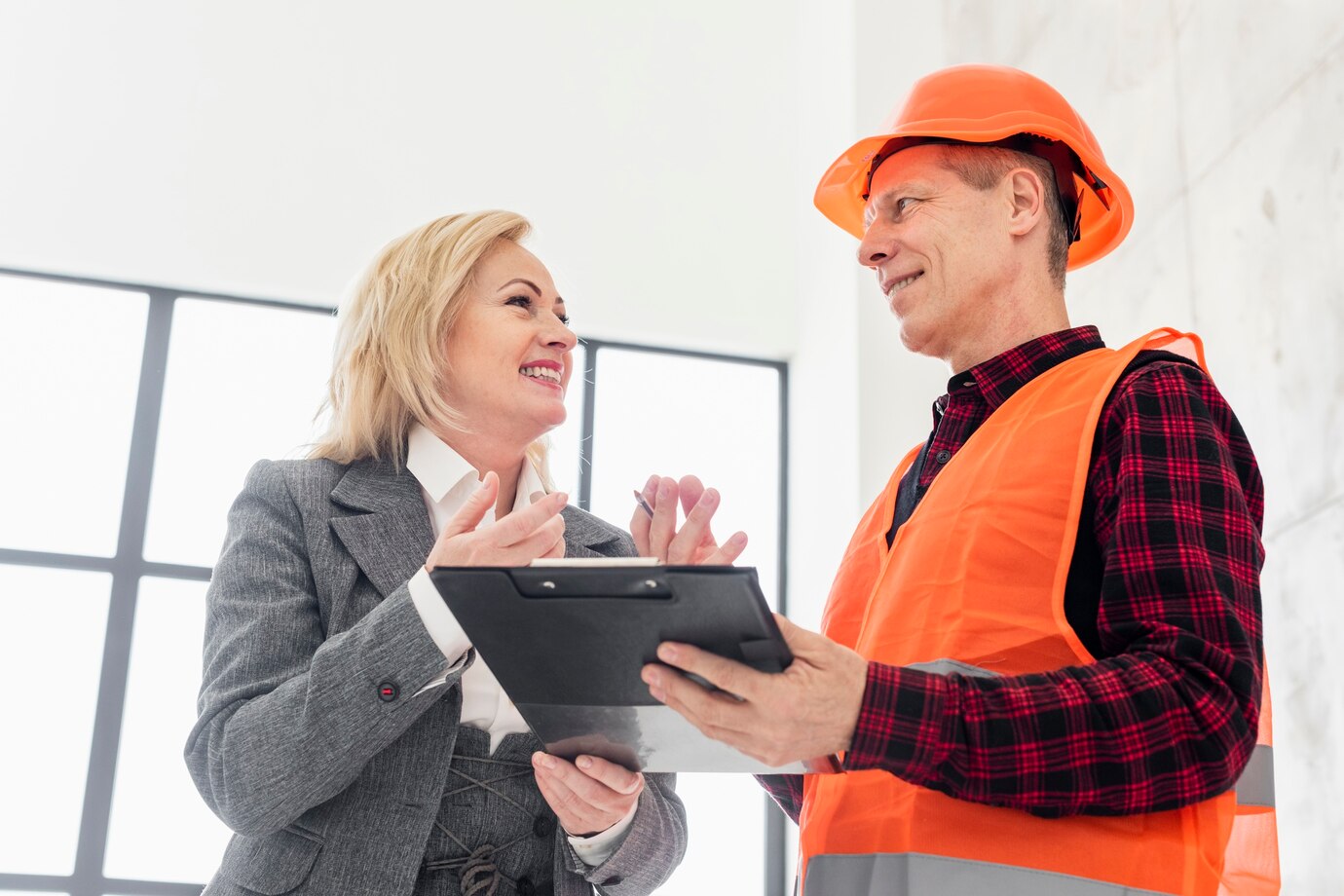
A furniture production line or construction site rarely needs welders alone. Most projects need a coordinated mix of trades working to the same schedule.
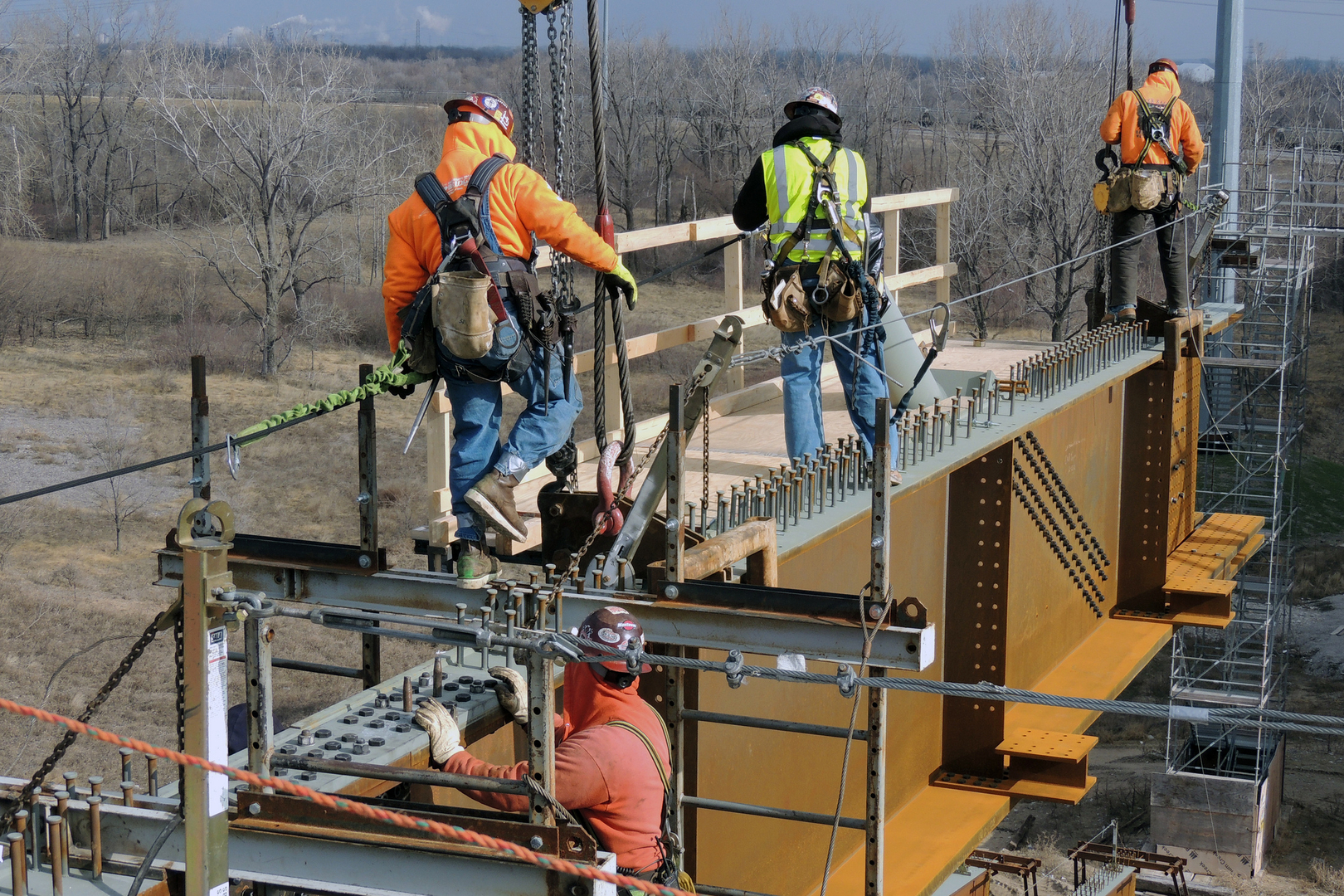
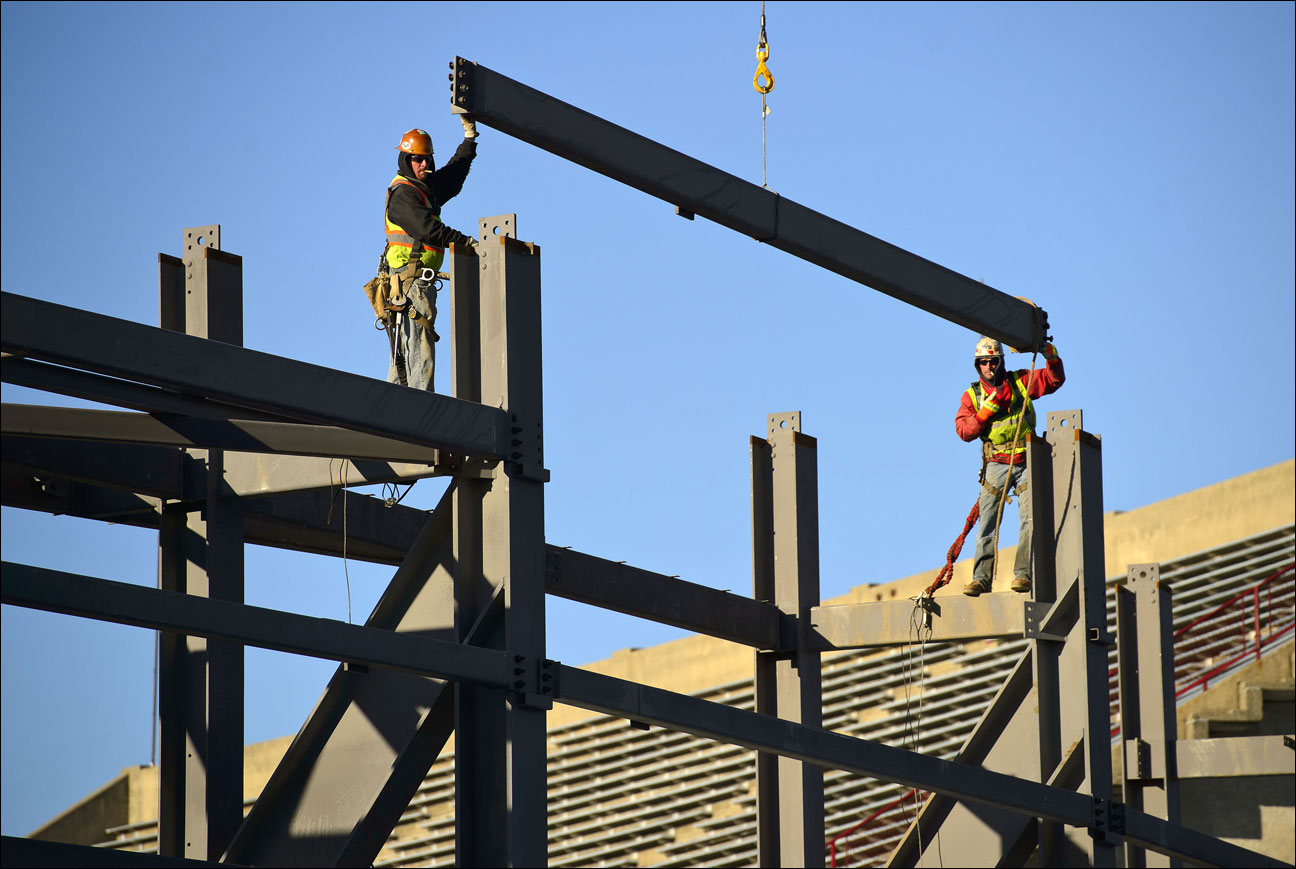
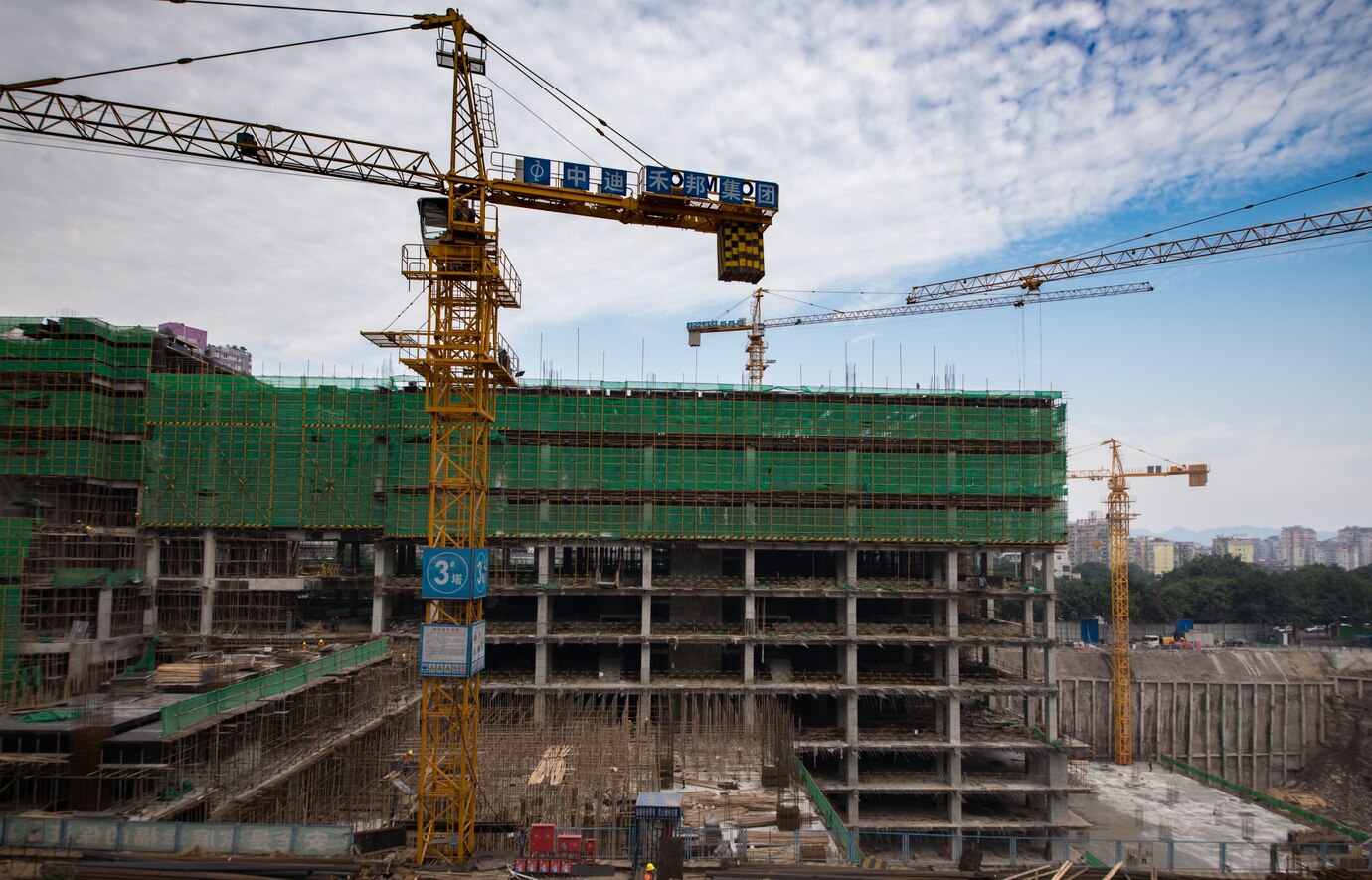
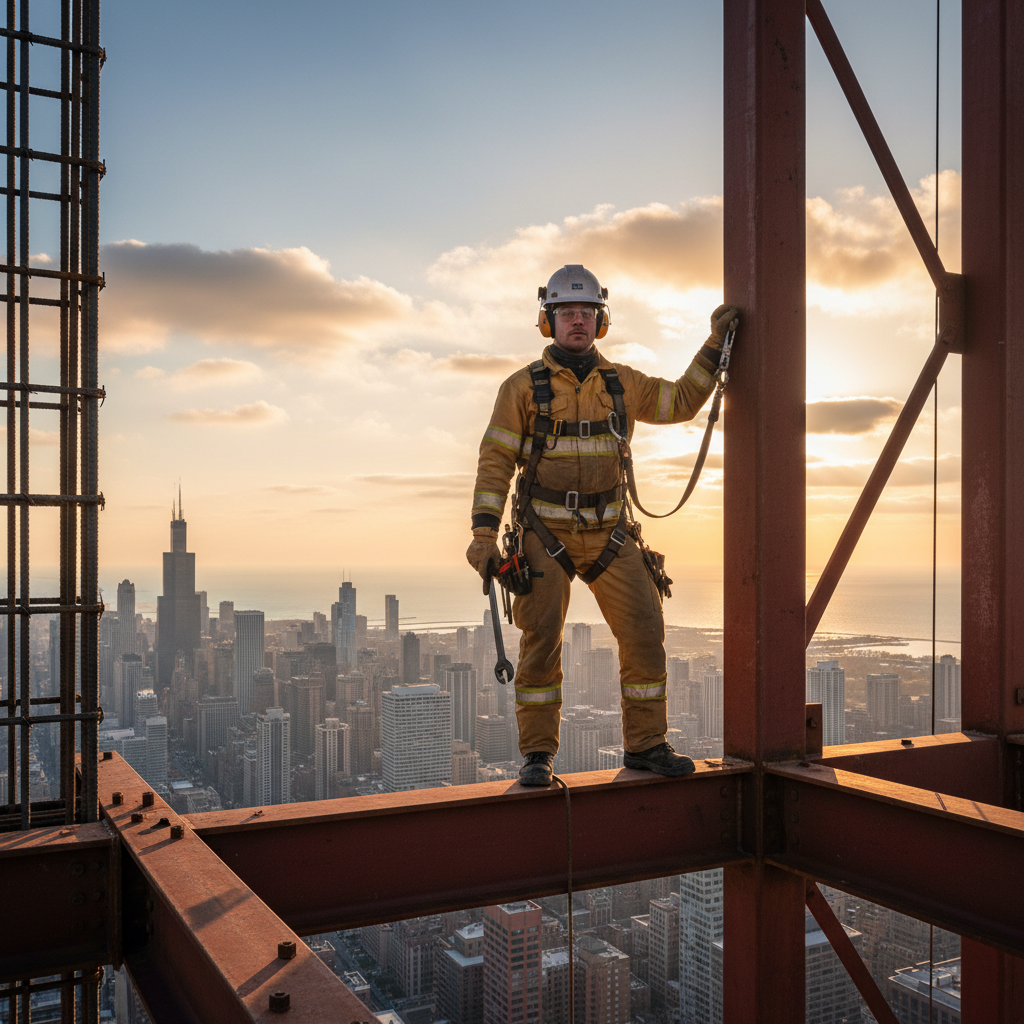
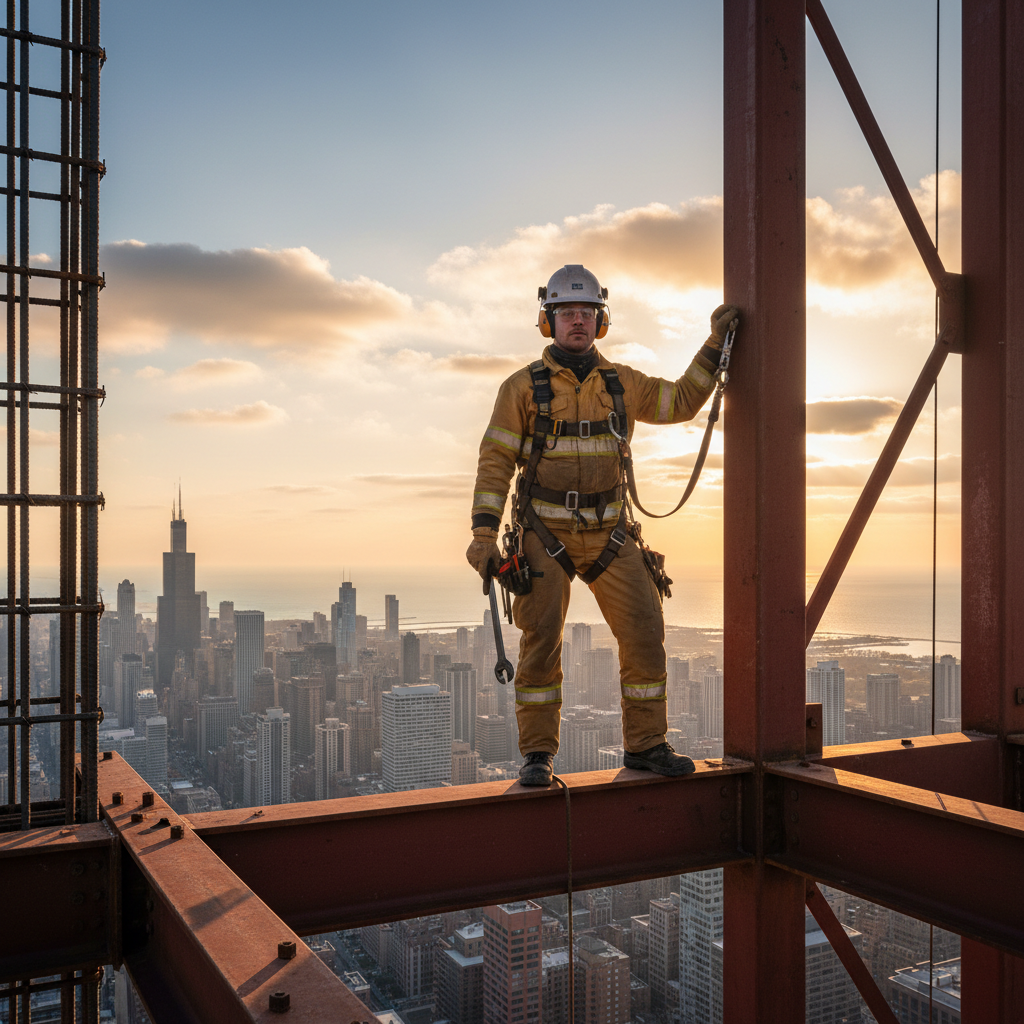
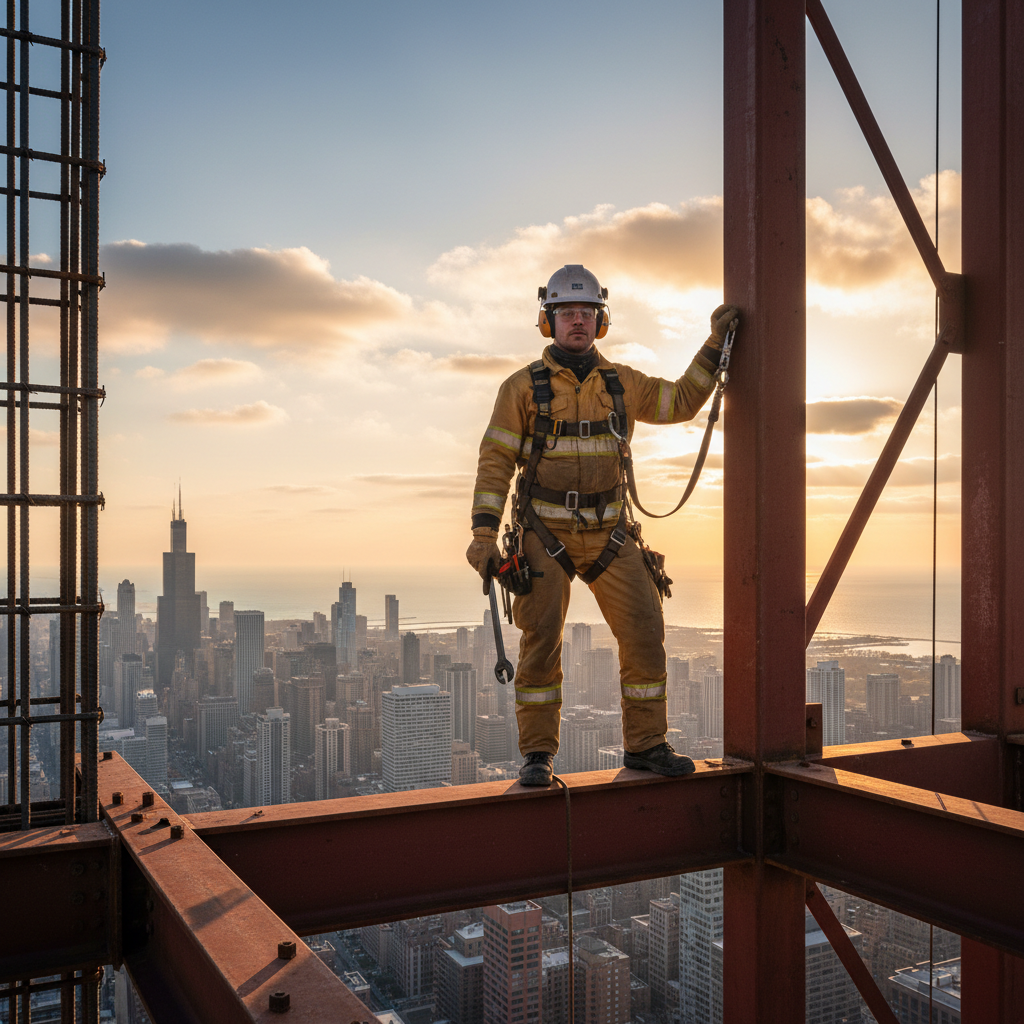
Iron worker staffing workers handle structural steel erection, rebar placement, and reinforcement work. On large furniture manufacturing facilities or warehouse builds, they're often the first trade on site, setting the frame that everything else including the welding depends on.
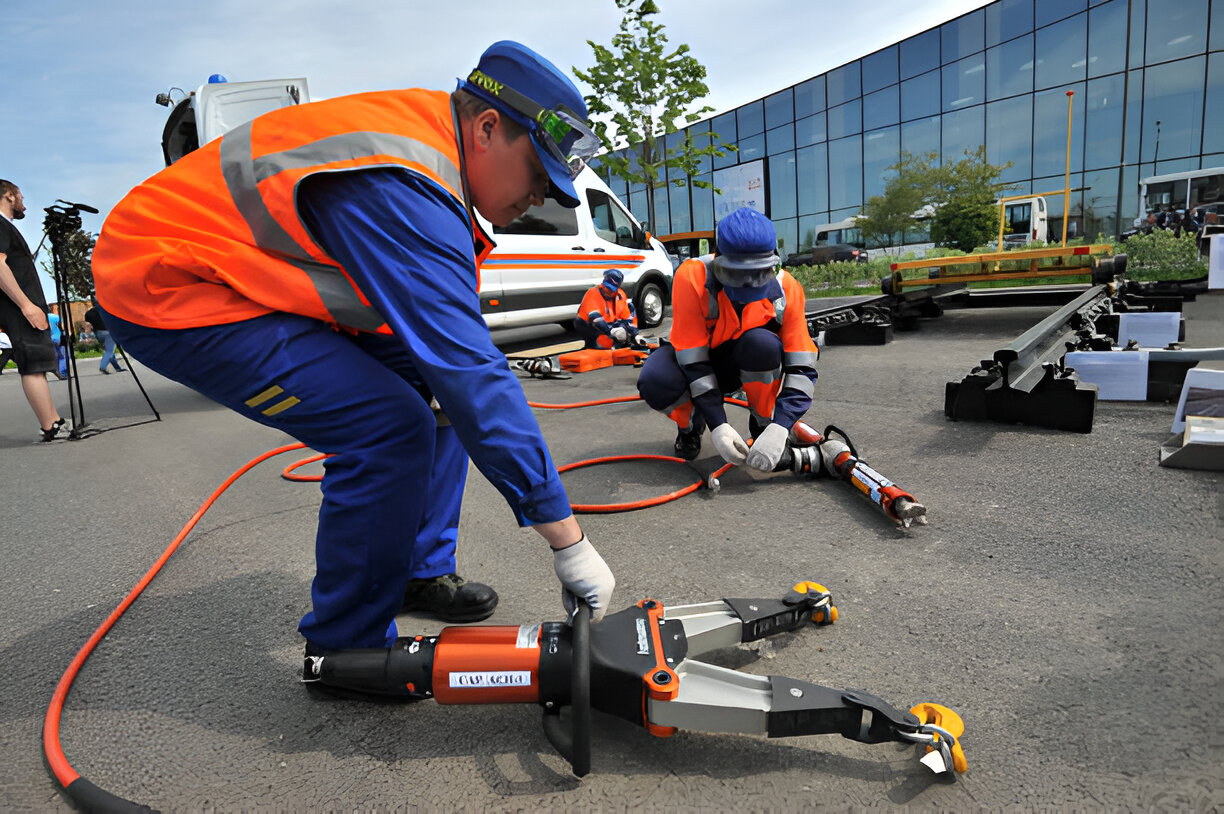
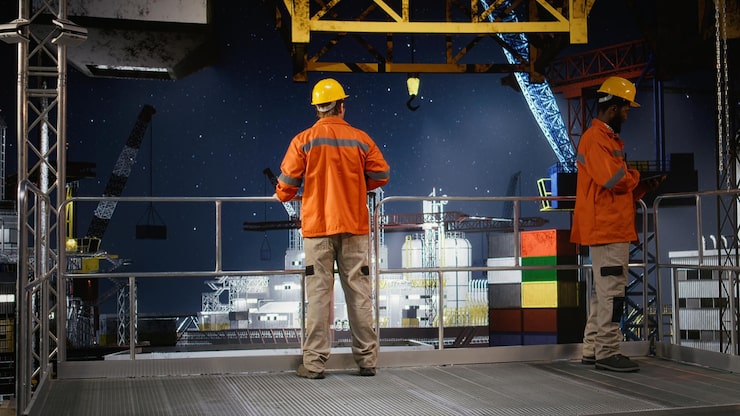
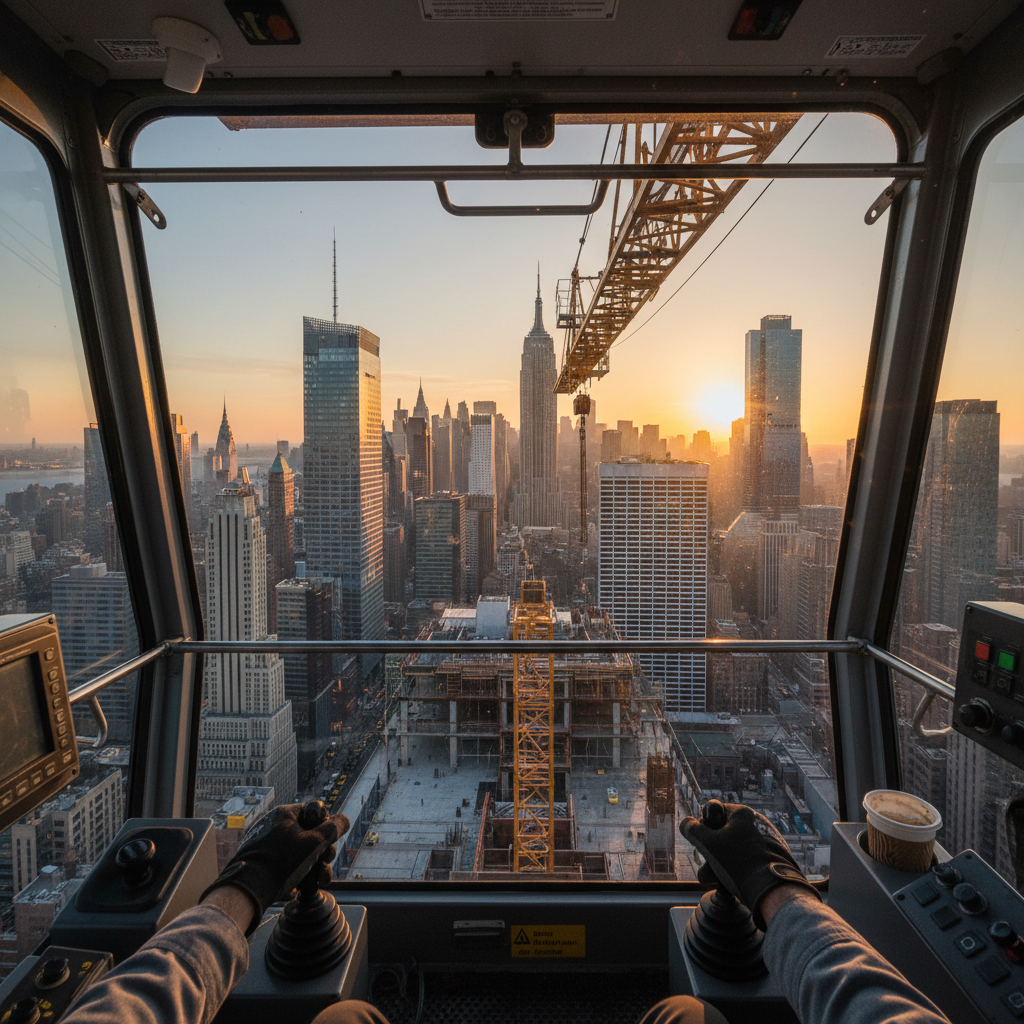
Crane operator staffing workers move heavy steel beams, raw materials, and even palletised finished furniture safely around a busy site. A single miscalculated lift can cause delays and injuries, so experience and up-to-date licensing matter enormously here.
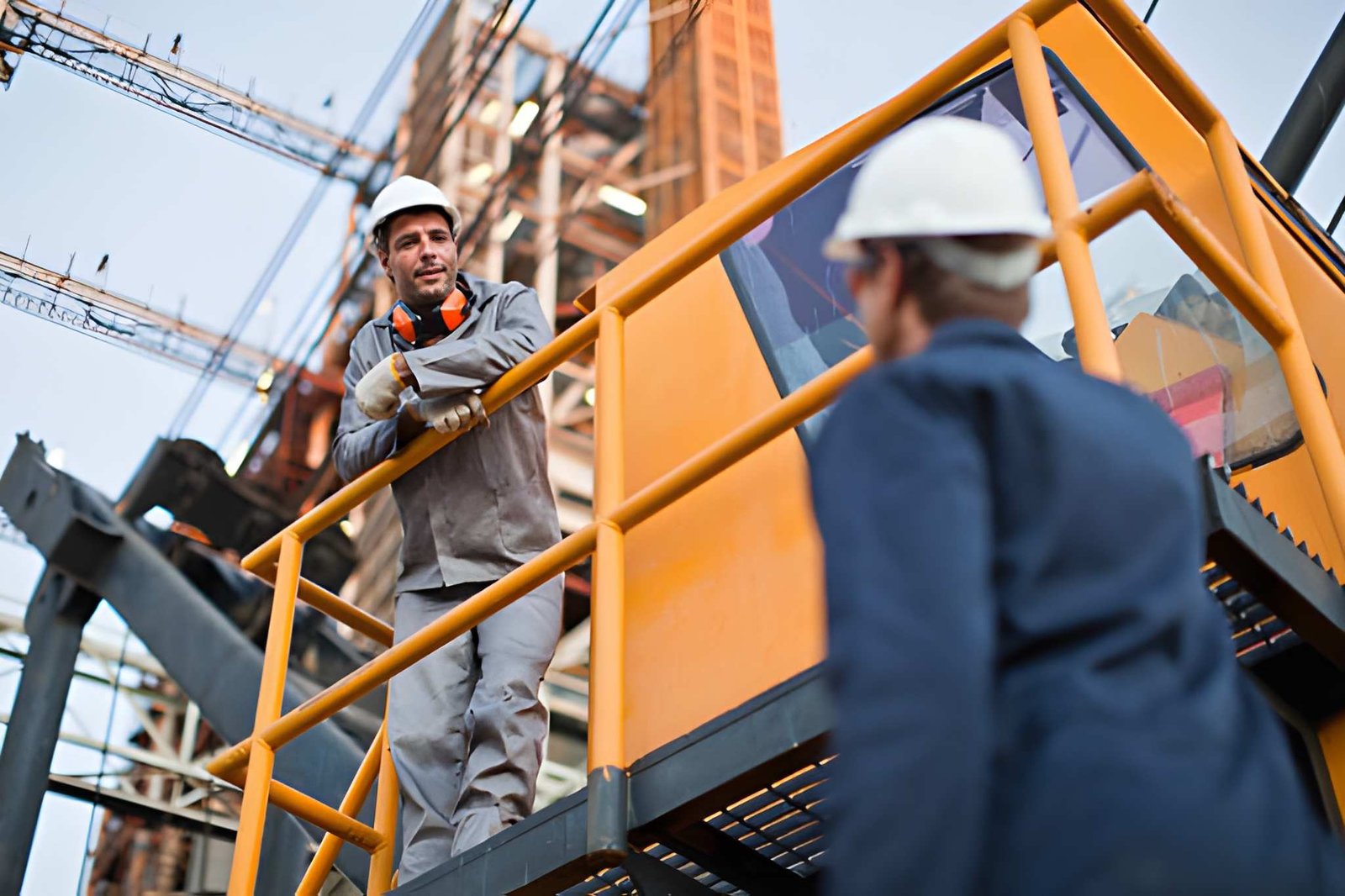
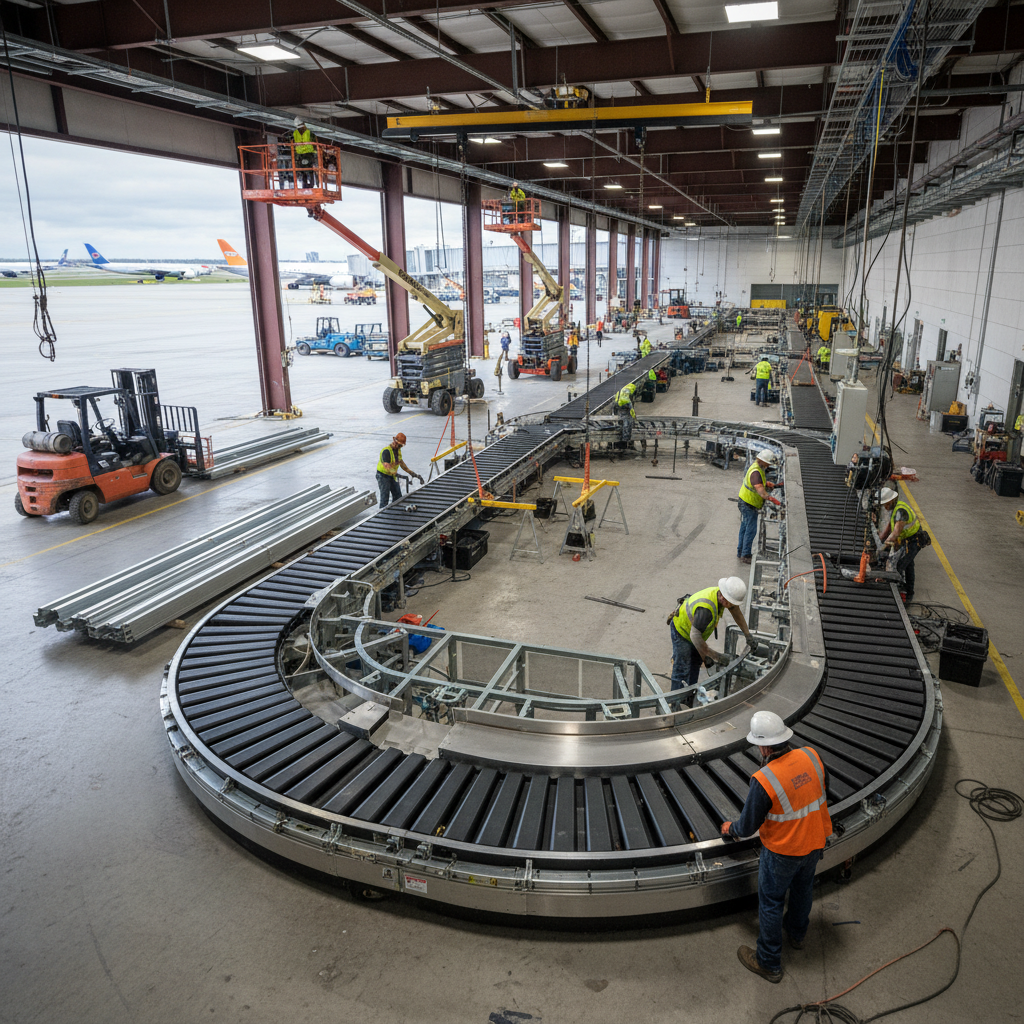
Industrial construction staffing workers is really the umbrella category it's what ties welders, iron workers, and crane operators together under one coordinated workforce plan, rather than treating each trade as a separate hiring exercise.
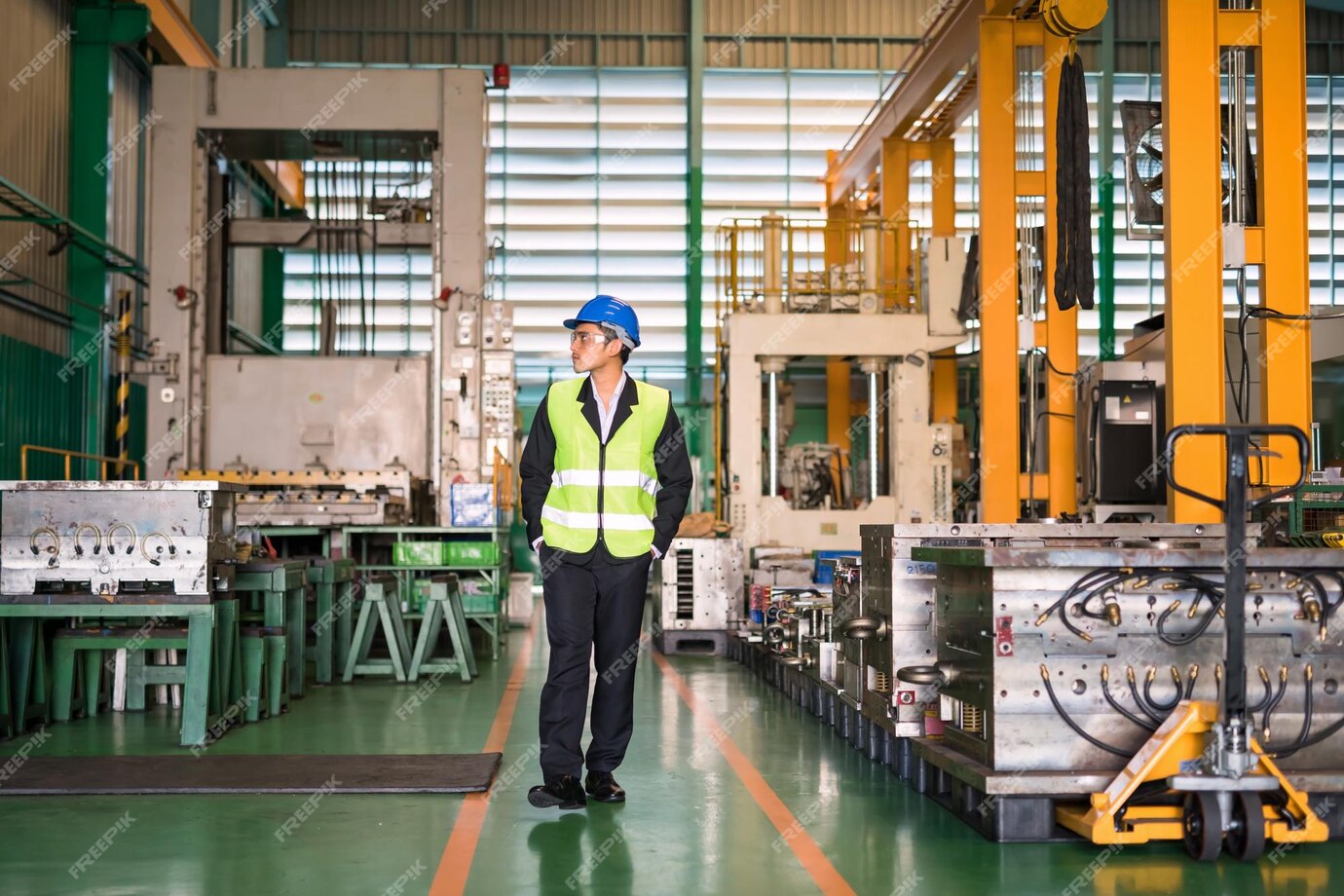
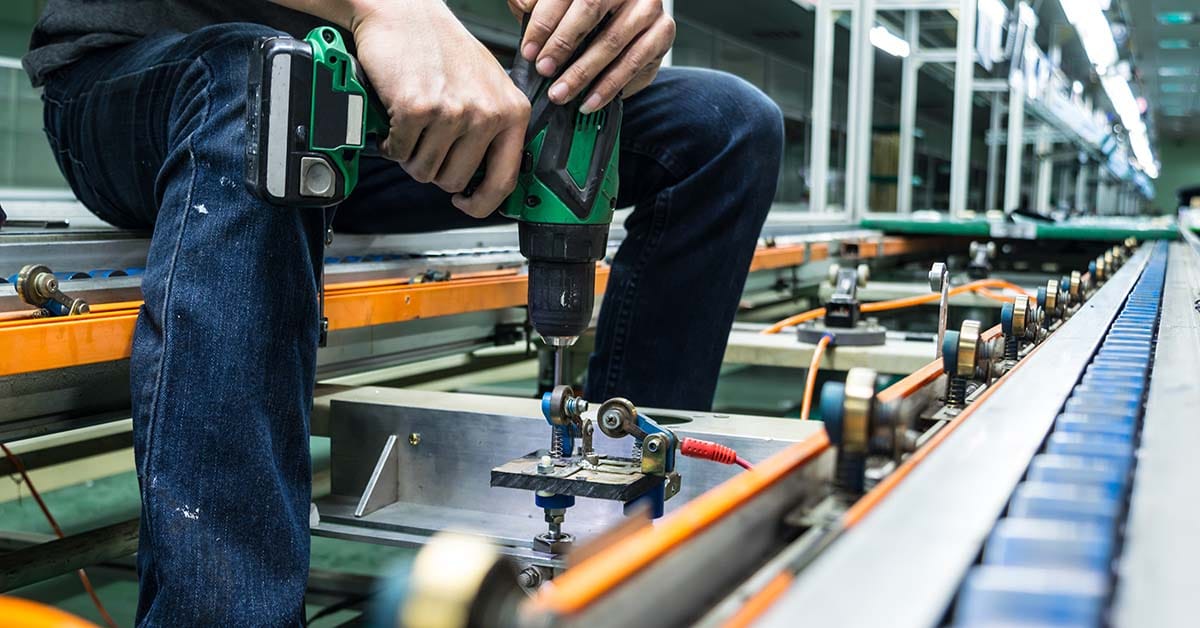
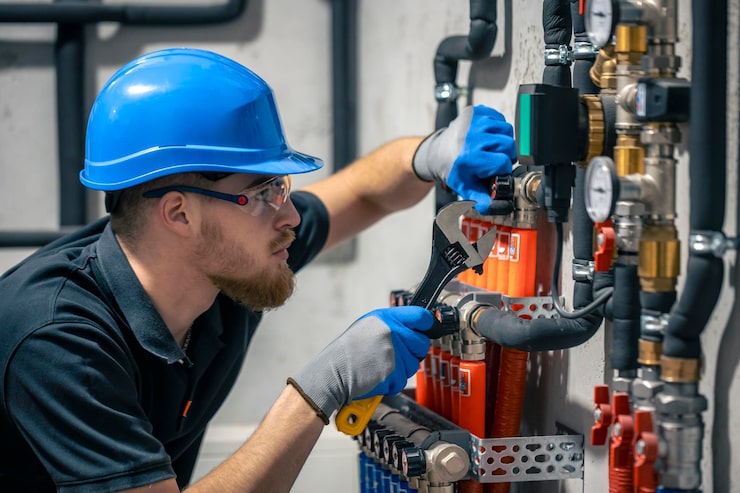
Skilled labor staffing workers and electrician staffing workers round out the picture. Wiring, machinery installation, and general skilled trades all need to be lined up alongside welding and structural work, particularly on furniture manufacturing floors where automated equipment and power tools are part of daily operations.
For furniture manufacturers assembling a full crew, starting with a reliable welders staffing option often sets the standard the rest of the hiring process follows.
Not every staffing agency understands the difference between a welder who can pass an interview and one who can hold a clean bead under pressure. Here's a quick checklist worth running through before signing a contract.
Many furniture manufacturers now rely on a trusted welders staffing partner rather than juggling multiple agencies for a single project.
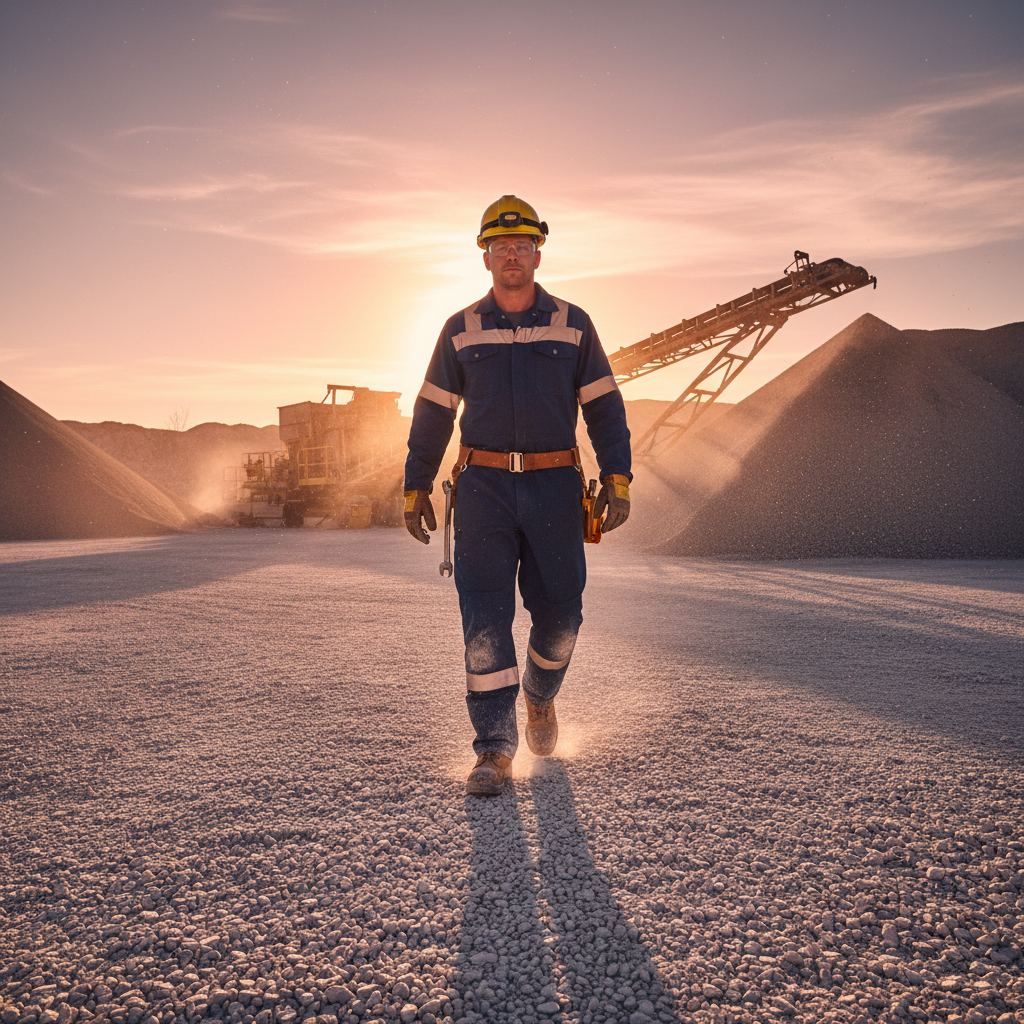
Welding carries real risk sparks, fumes, electrical hazards, and heavy equipment all in close proximity. A serious staffing partner treats safety as non-negotiable, not an afterthought.
Reviewing a welders staffing service page before signing a contract is a simple way to confirm exactly what safety documentation you should expect to see.
Downtime, rework, safety incidents, and reputational damage all cost far more than the hourly rate difference between a properly vetted welder and a cheaper, unverified one. For furniture manufacturers in particular, a batch of poorly welded frames can mean returns, warranty claims, and unhappy customers long after the invoice is settled. Getting the staffing decision right at the start is almost always the cheaper path.
Industrial projects and furniture manufacturing lines both stand or fall on the same thing: skilled hands doing precise, repeatable work. Welders staffing workers, alongside iron worker staffing workers, crane operator staffing workers, and the wider industrial construction staffing workforce, are what keep steel frames sound, timelines realistic, and finished products whether a warehouse or a dining table safe to use for years to come.
Choosing a staffing partner who understands both the technical and safety side of welding isn't a nice to have; it's what separates a smooth project from a costly one.
Ready to strengthen your next project with dependable welding talent? Get in touch with our team today and build a workforce you can trust from the first weld to the final finish.







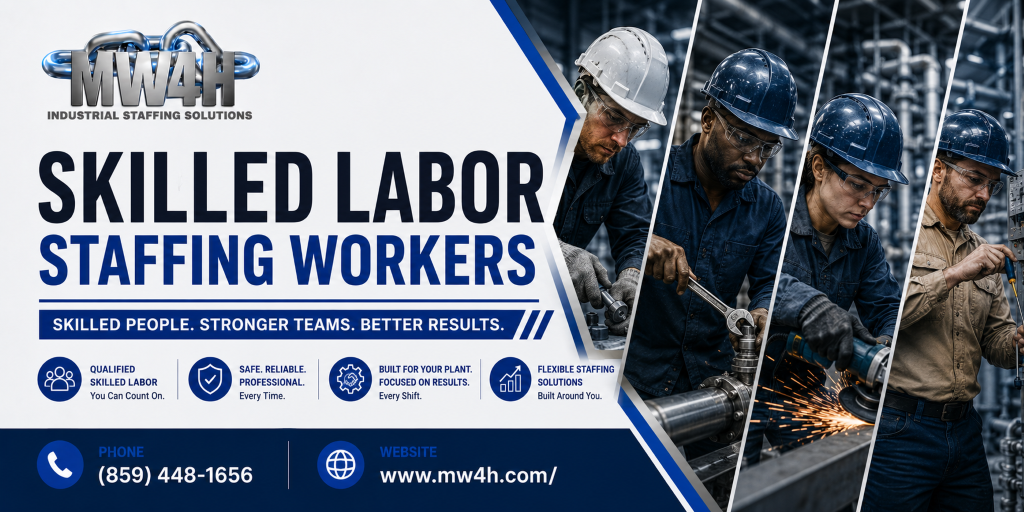
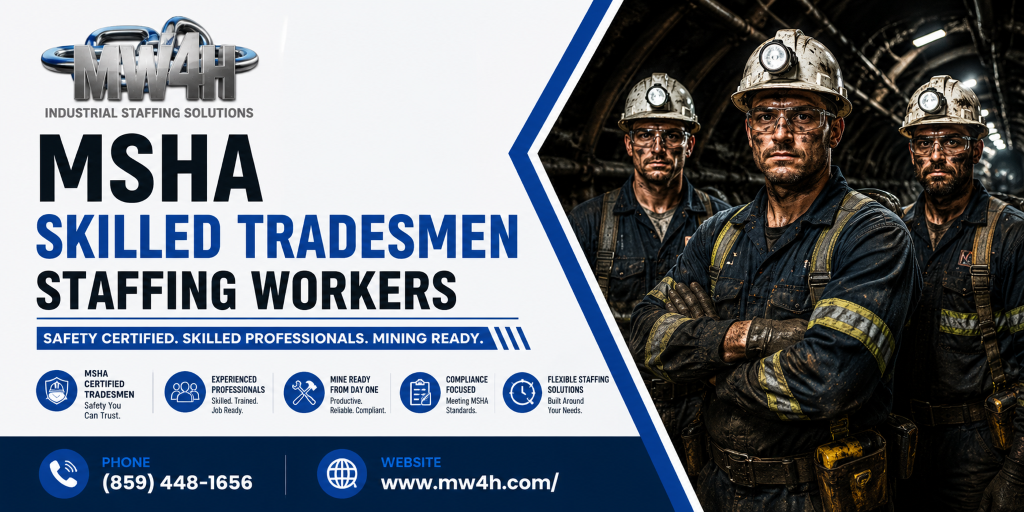
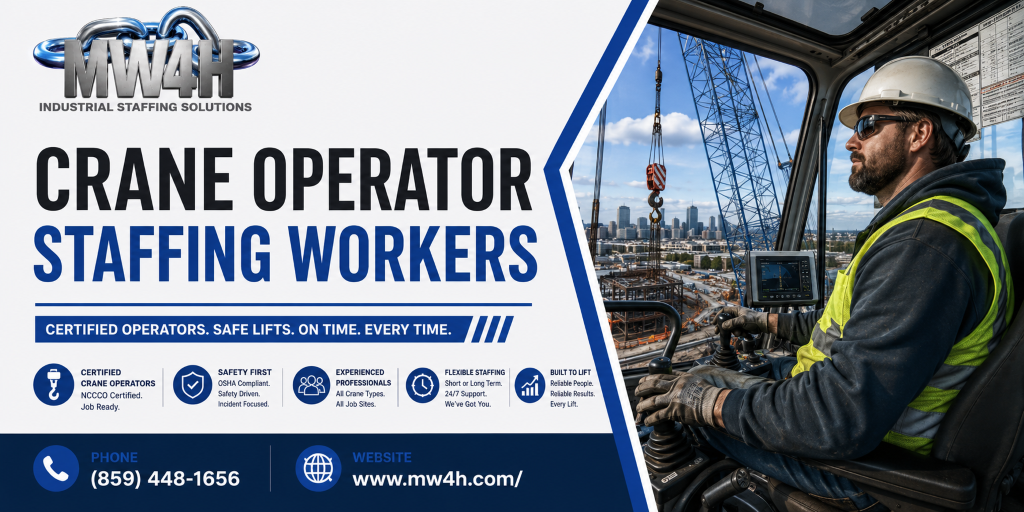
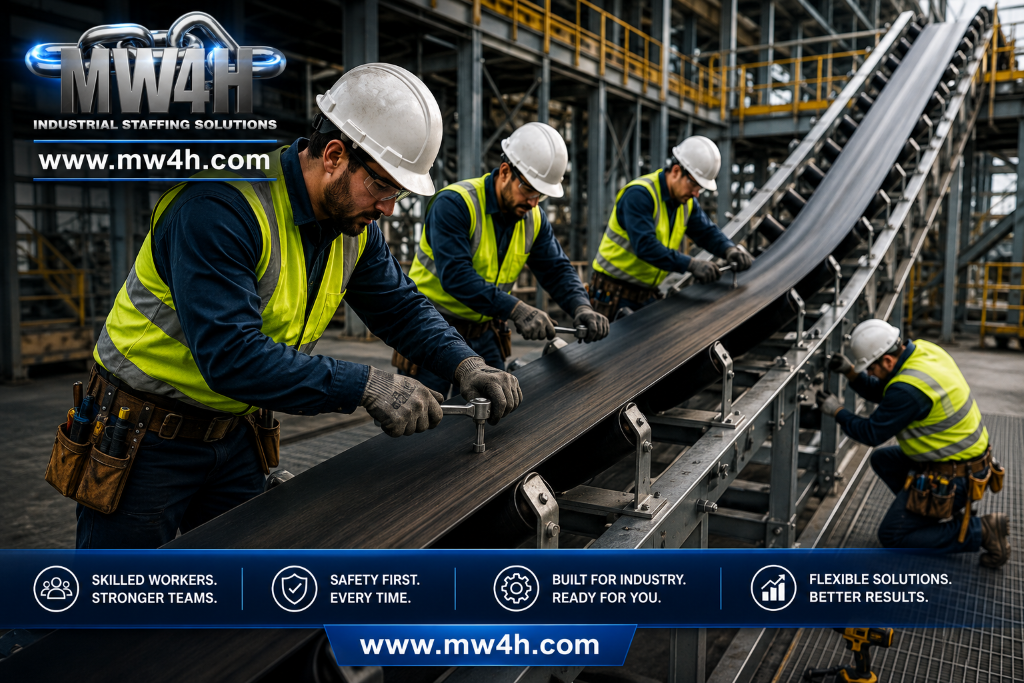
Reach out for staffing solutions or inquiries. We are here to assist you with your needs across various industries.