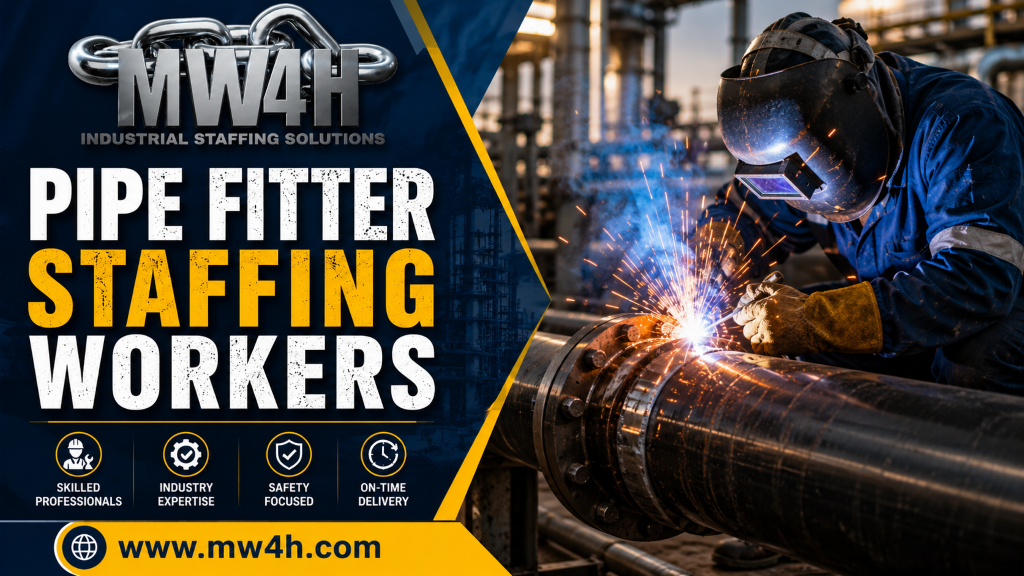
Every industrial or commercial build lives or dies by its schedule. One missed inspection, one delayed weld, one gap in the crew roster, and the whole timeline slips sideways. This is where pipe fitter staffing workers earn their keep. They step onto site exactly when a project needs skilled hands, bring certifications a contractor cannot do without, and keep piping and fabrication work moving without the long hiring delays that come with recruiting permanently.
If you have ever wondered why so many contractors now lean on staffing partners rather than building every crew from scratch, this article sets out what pipe fitter staffing workers actually do day to day, how welders staffing workers and precision millwright staffing workers fit into the wider picture, and why temporary construction staffing has become a standard part of how projects get built across the USA.
The skilled trades workforce in the United States has been ageing out faster than new apprentices are coming through, and contractors in almost every state feel the pinch at some point in a project's life cycle. When a crew falls short, a firm has three options: turn work away, push the start date back, or bring in a staffing partner. Pipe fitter staffing workers exist to make that third option a genuinely reliable one, rather than a last resort.
A staffing partner that already has vetted, certified tradespeople on its books can mobilise far faster than a traditional hiring round, which is exactly what a tight construction schedule needs.
A shortfall in pipefitters or welders rarely stays contained to one trade. It tends to ripple outward:
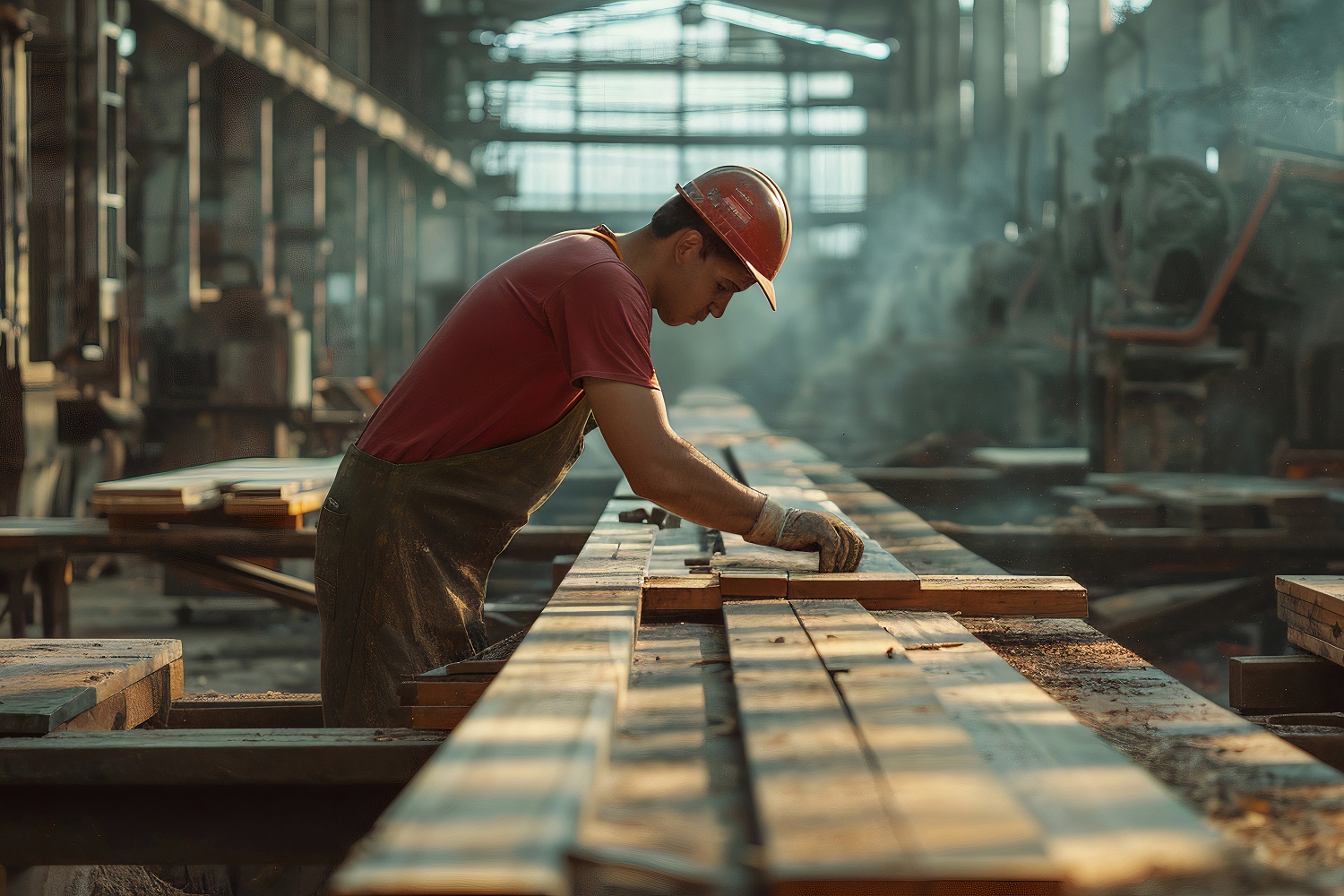
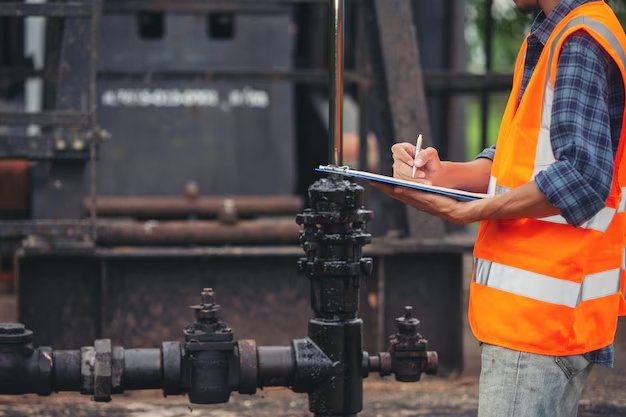
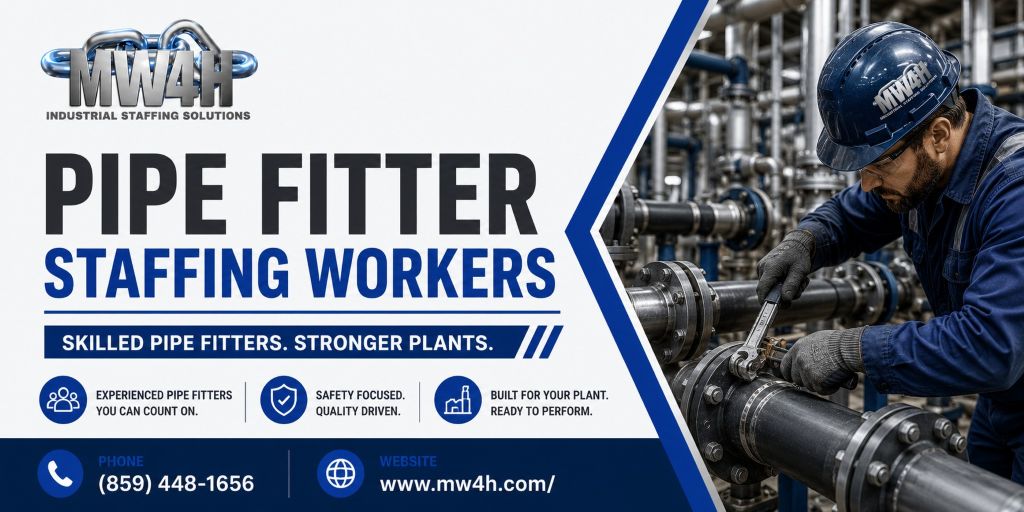
Pipe fitter staffing workers are not general labour brought in to fill a headcount. They are tradespeople who read isometric drawings, measure and cut pipe to spec, thread and align sections, and install piping systems so they pass pressure testing and code inspection the first time.
Not every pipefitter on a staffing agency's books is right for every job, which is why credentials matter as much as experience:
Pipefitting and welding overlap constantly on an industrial project, but they are distinct trades.
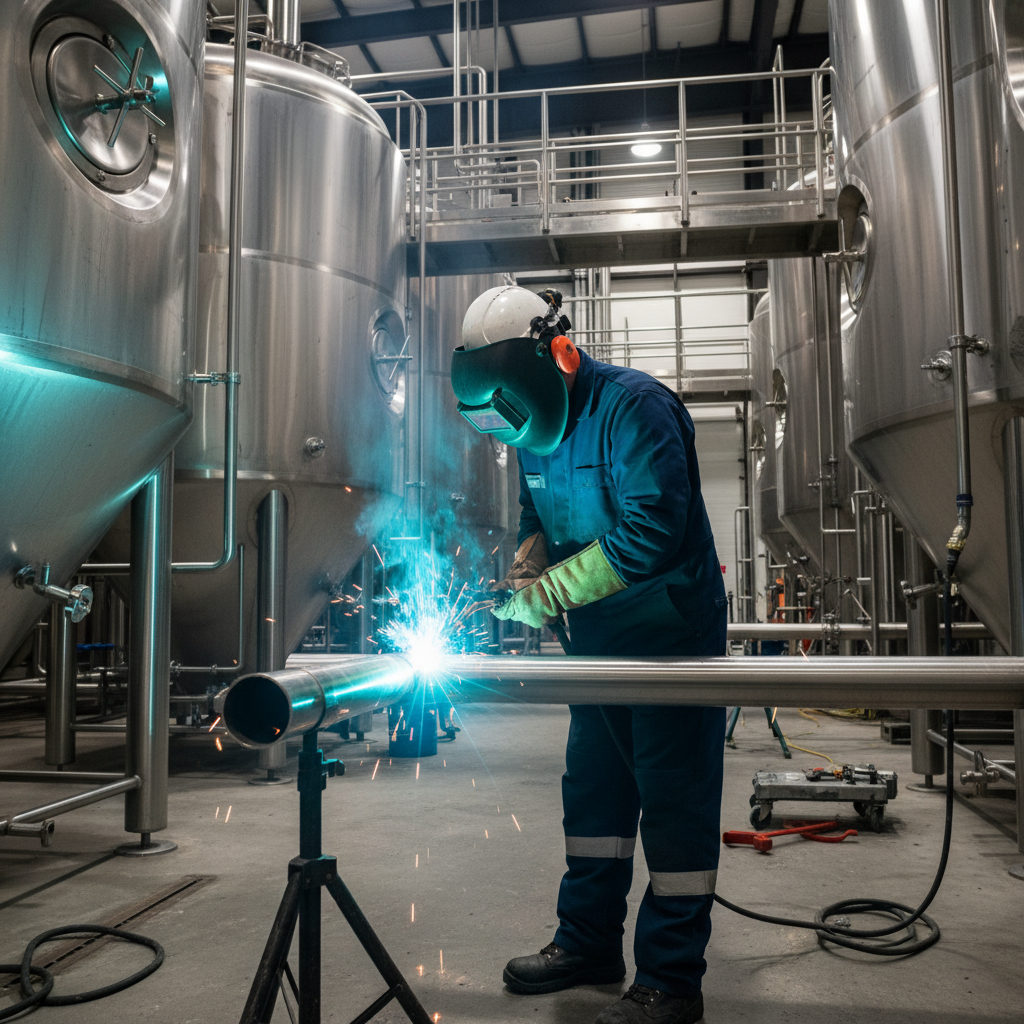
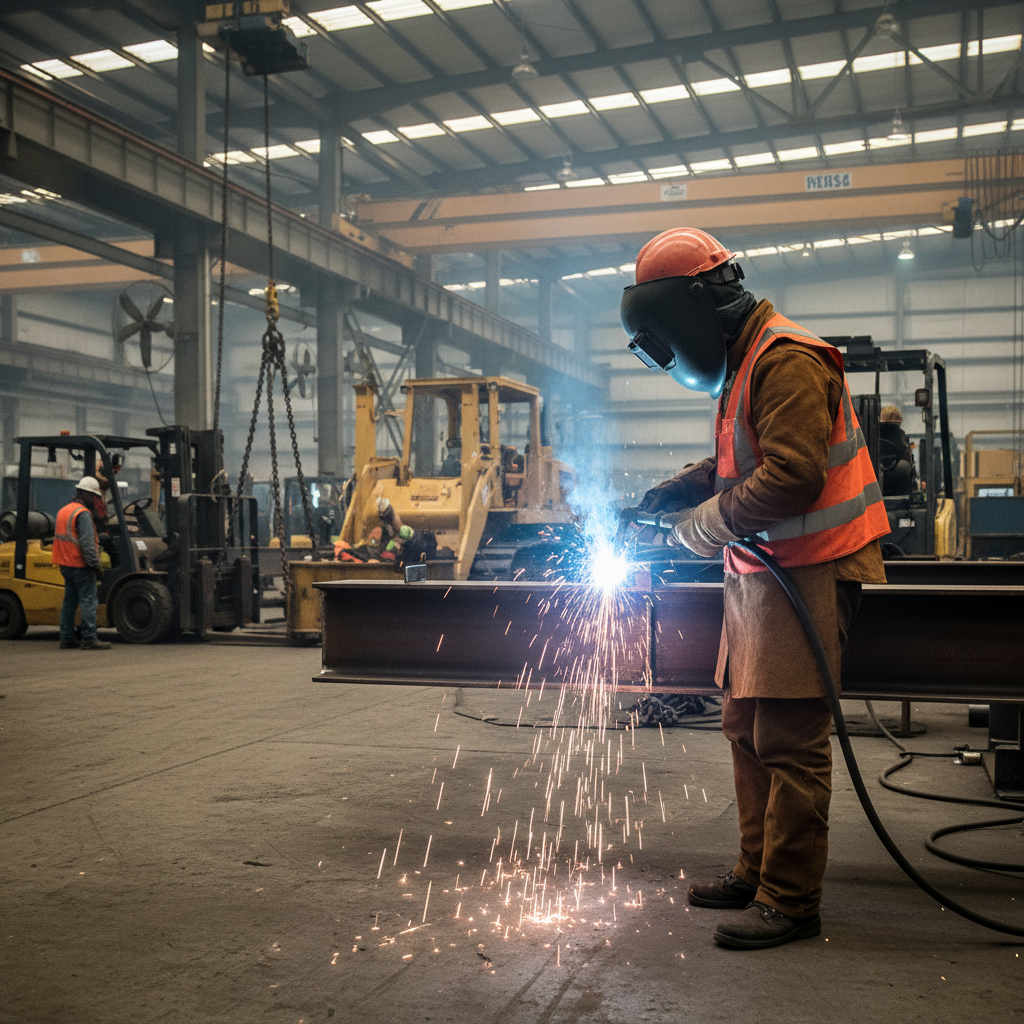
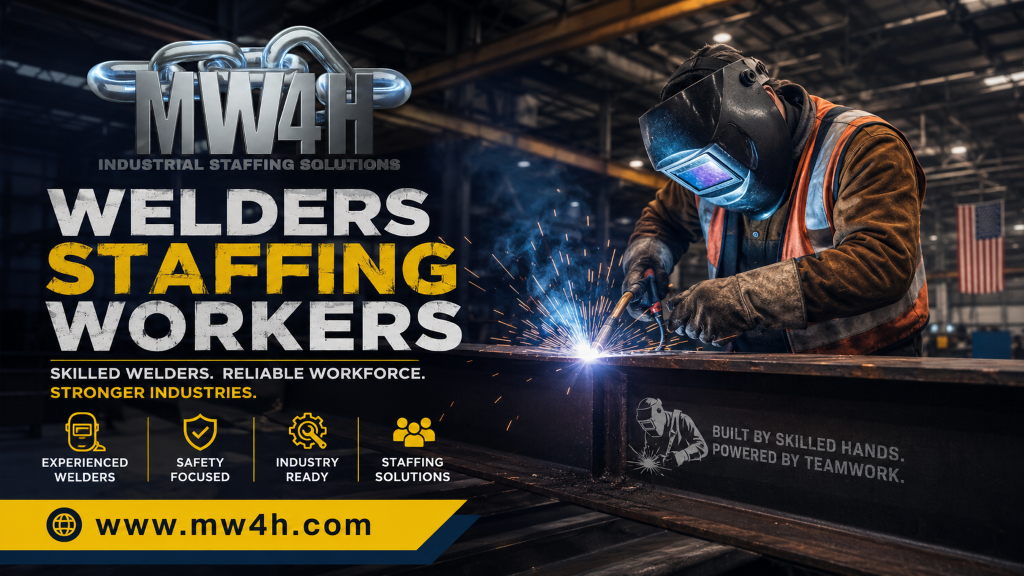
Welders Staffing workers bring TIG, MIG, stick, and flux-cored capability to structural fabrication as well as pipe welding, covering everything from equipment skids and support frames to platforms and process piping.
Because the two trades work so closely together, a good staffing partner supplies pipefitters and welders as an integrated crew, rather than leaving a contractor to coordinate two separate agencies for one job. That single point of contact alone removes a common source of scheduling friction on multi-trade sites.
A shortage of qualified welders is often the single biggest bottleneck on a fabrication-heavy project, since a delayed weld holds up pressure testing, inspection, and every trade waiting behind it.
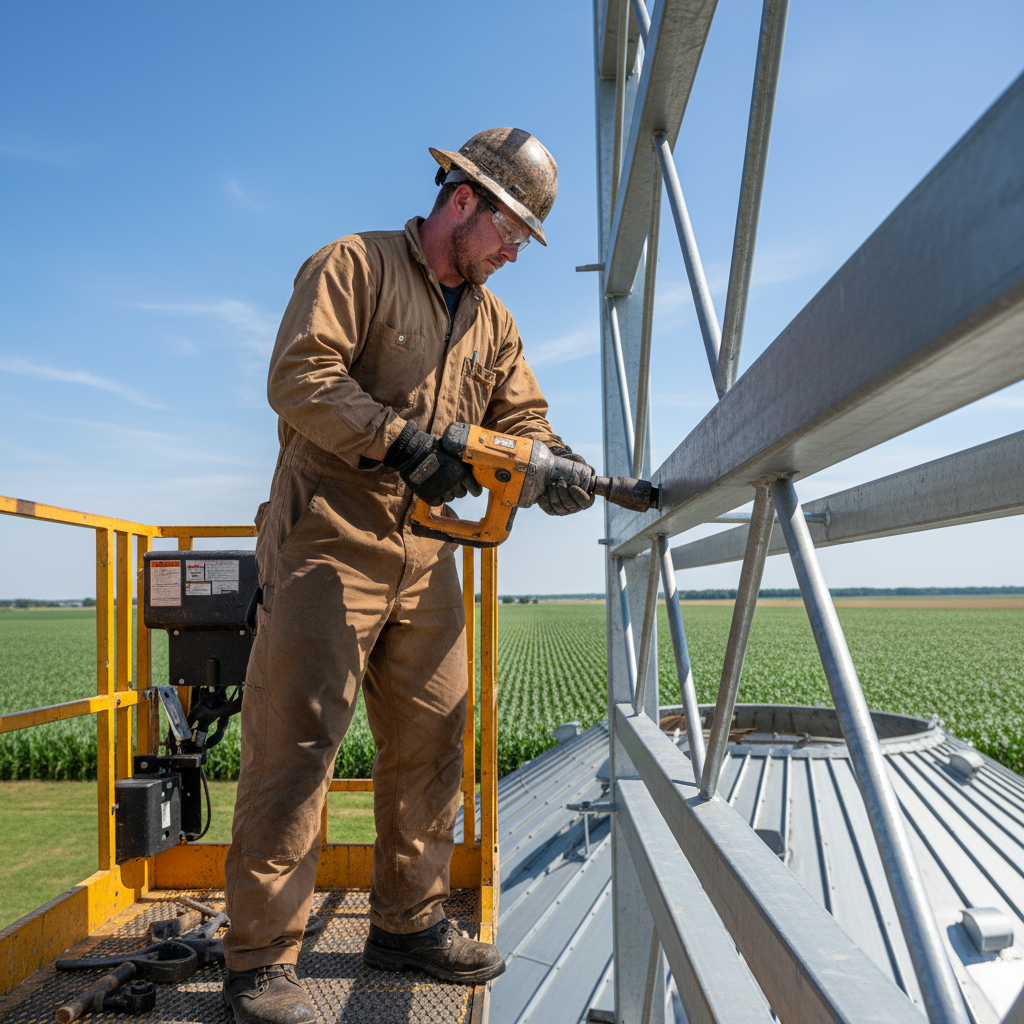
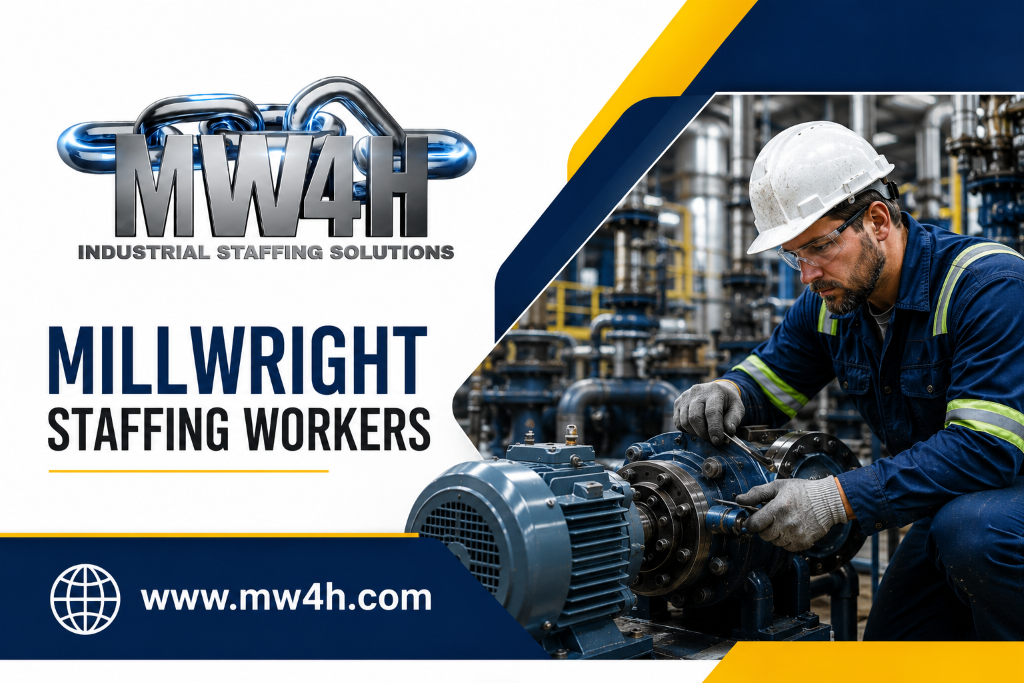
Where pipefitters and welders build the system, Precision Millwright Staffing workers make sure the machinery bolted to it actually runs true. Millwrights install, align, and level industrial equipment to tolerances measured in thousandths of an inch, using laser alignment tools and precision rigging.
On a plant upgrade or new build, millwright work usually sits on the critical path near the end of a project, which means any delay here is the hardest one to absorb. Bringing in precision millwright staffing workers for that phase specifically, rather than trying to stretch a general crew to cover it, keeps commissioning dates realistic.
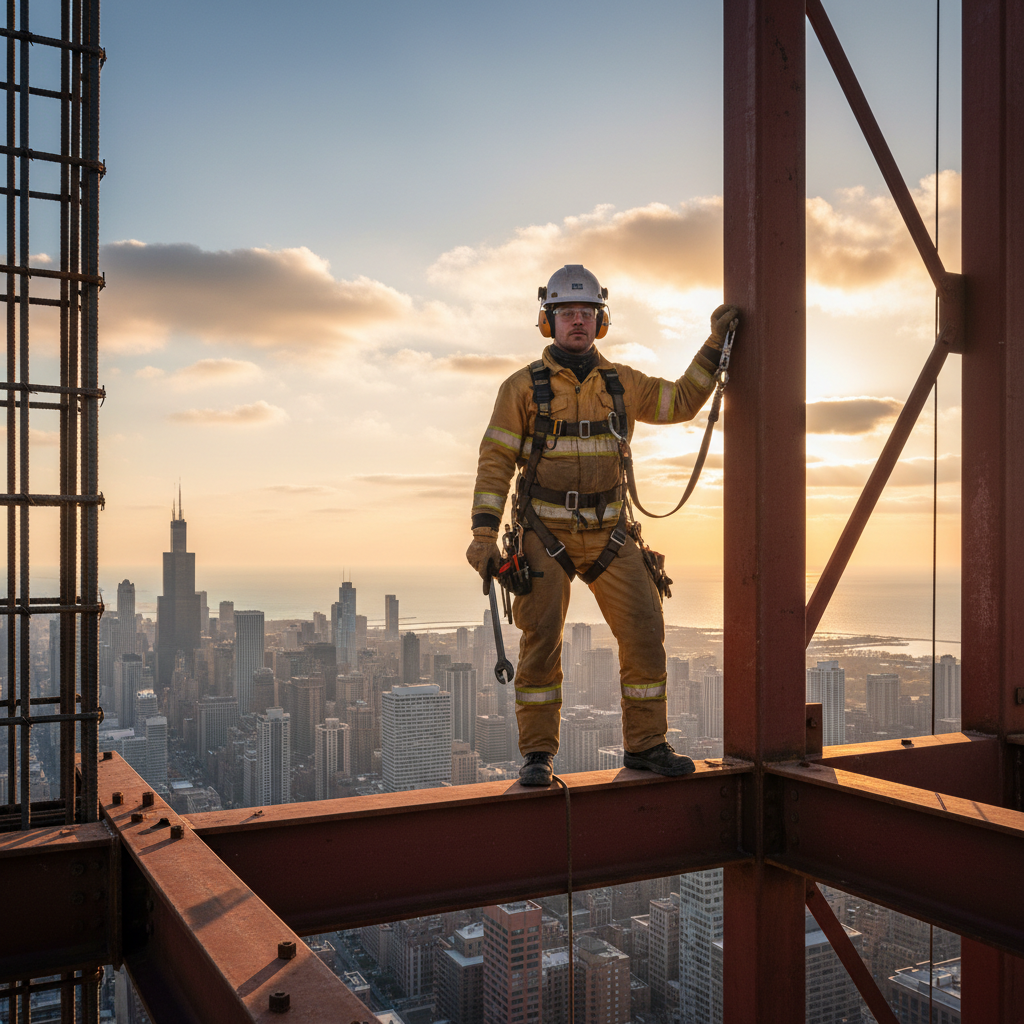
Contractors covering multiple trades on one job often confirm that millwrights, ironworkers, and electricians can all be sourced through the same channel as the pipefitting and welding crew, before committing to a partner.
Temporary construction staffing is not just about filling gaps in an emergency. Used well, it is a planning tool that lets a contractor scale a crew up for a shutdown, a turnaround, or a peak-demand phase, then scale back down once that work is complete, without carrying idle payroll between projects.
Not every agency vets its trades the same way, so it is worth checking a few things before signing on:
It is worth spending a few minutes on a prospective partner's about us page and industries served before you need them urgently, rather than during a scheduling crisis.
Projects fall behind schedule for all sorts of reasons, but an underprepared crew is one of the few causes that is entirely avoidable. Pipe fitter staffing workers, welders staffing workers, and precision millwright staffing workers give contractors a way to match manpower to workload in real time, instead of hoping a permanent crew stretches far enough to cover it.
Temporary construction staffing has moved from a stopgap measure to a standard part of how well-run projects stay on schedule. The contractors who plan for it ahead of time, rather than scrambling once a gap appears, are consistently the ones who hit their completion dates.




















Reach out for staffing solutions or inquiries. We are here to assist you with your needs across various industries.