If you have ever waited three weeks for a single qualified tradesman while a production line sat idle, you already understand the real cost of a labor gap. Equipment does not wait for hiring paperwork, and neither do your customers.
That is the exact problem millwright staffing workers solve. Rather than posting a job, screening resumes, and hoping a candidate has the right certifications, plants and contractors are turning to skilled trades staffing partners who already have vetted crews ready to deploy.
This guide walks through what millwright staffing workers actually do, why more companies choose to hire millwrights instead of building an in-house department from scratch, and how to pick a staffing partner that will not leave you short-handed halfway through a shutdown. If you would rather skip ahead and talk to a real person about your project, you can always contact the MW4H team directly.
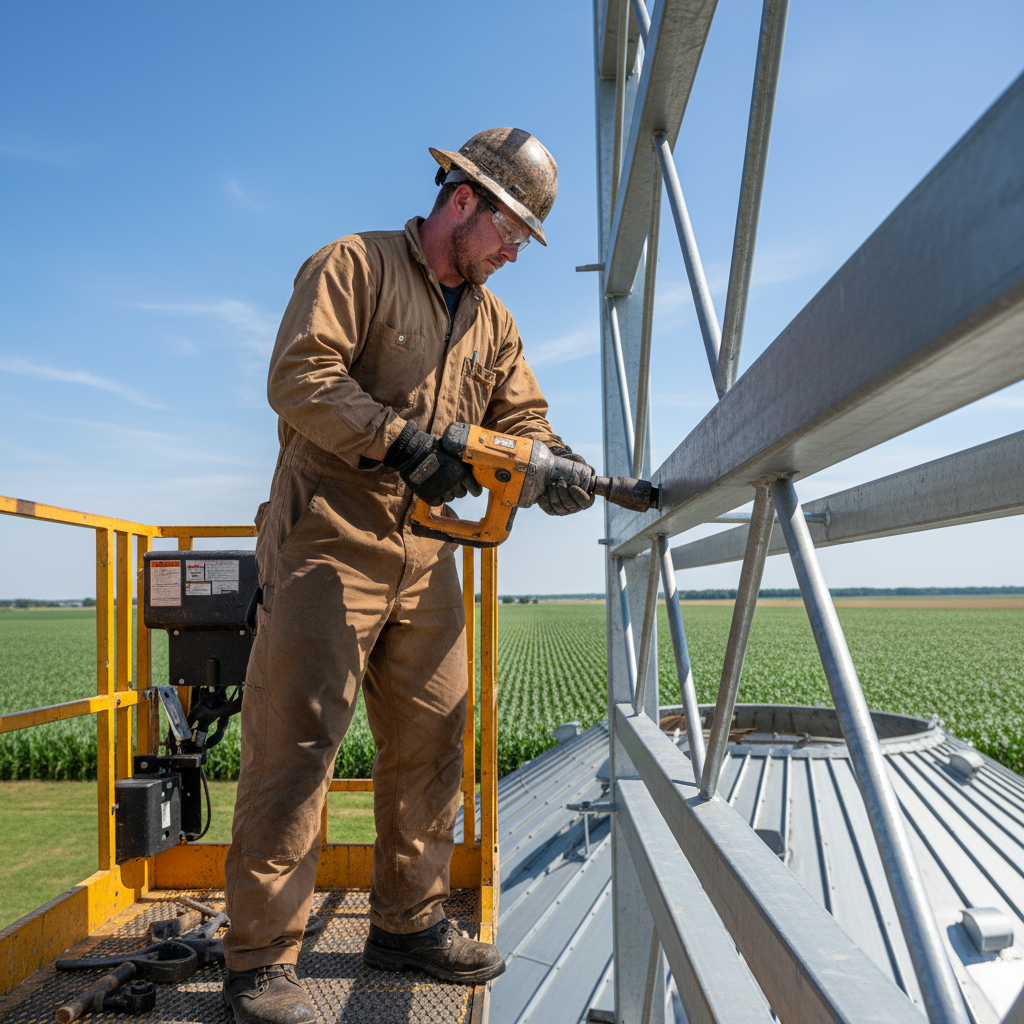
Millwrights are the tradespeople responsible for installing, aligning, dismantling, and maintaining industrial machinery. When you hire them through a staffing agency rather than directly, you get the same hands-on expertise without carrying them on payroll year-round.
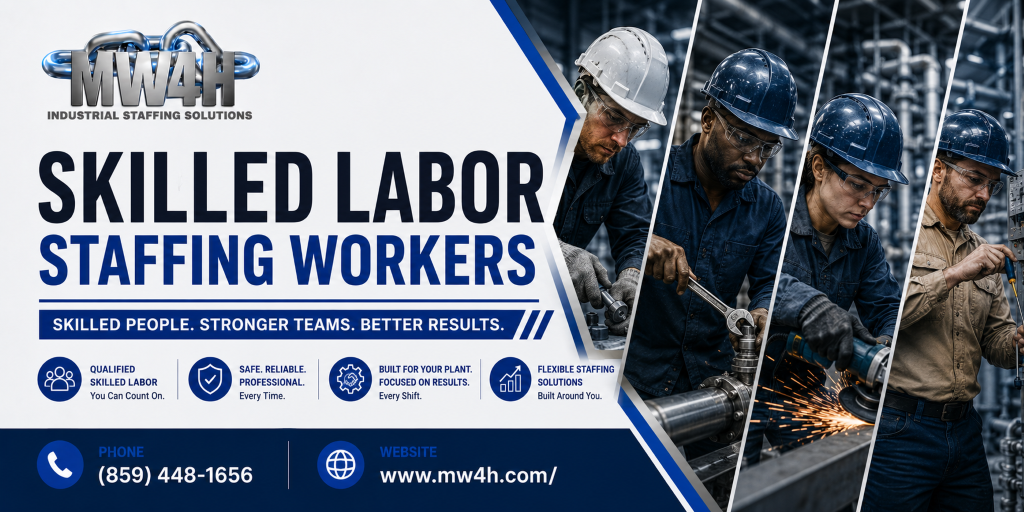
On a typical industrial project, millwright staffing workers handle:
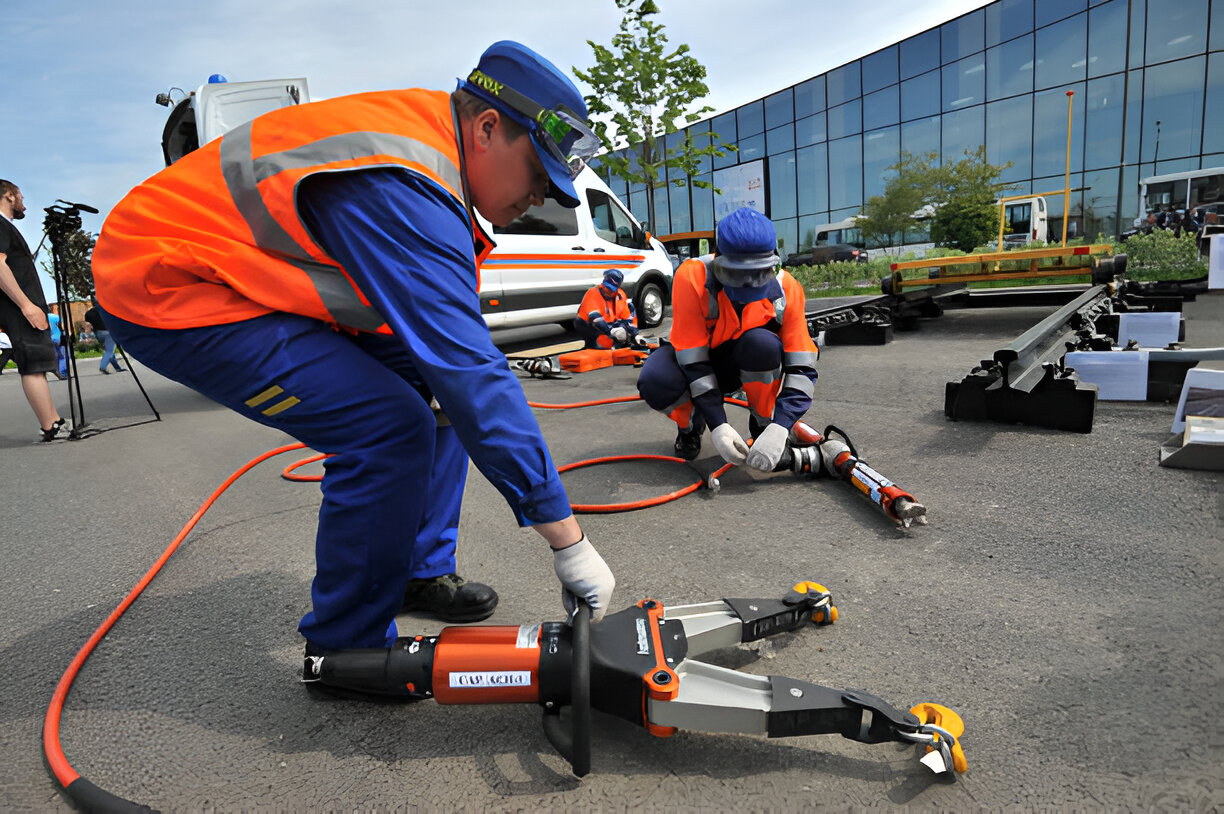
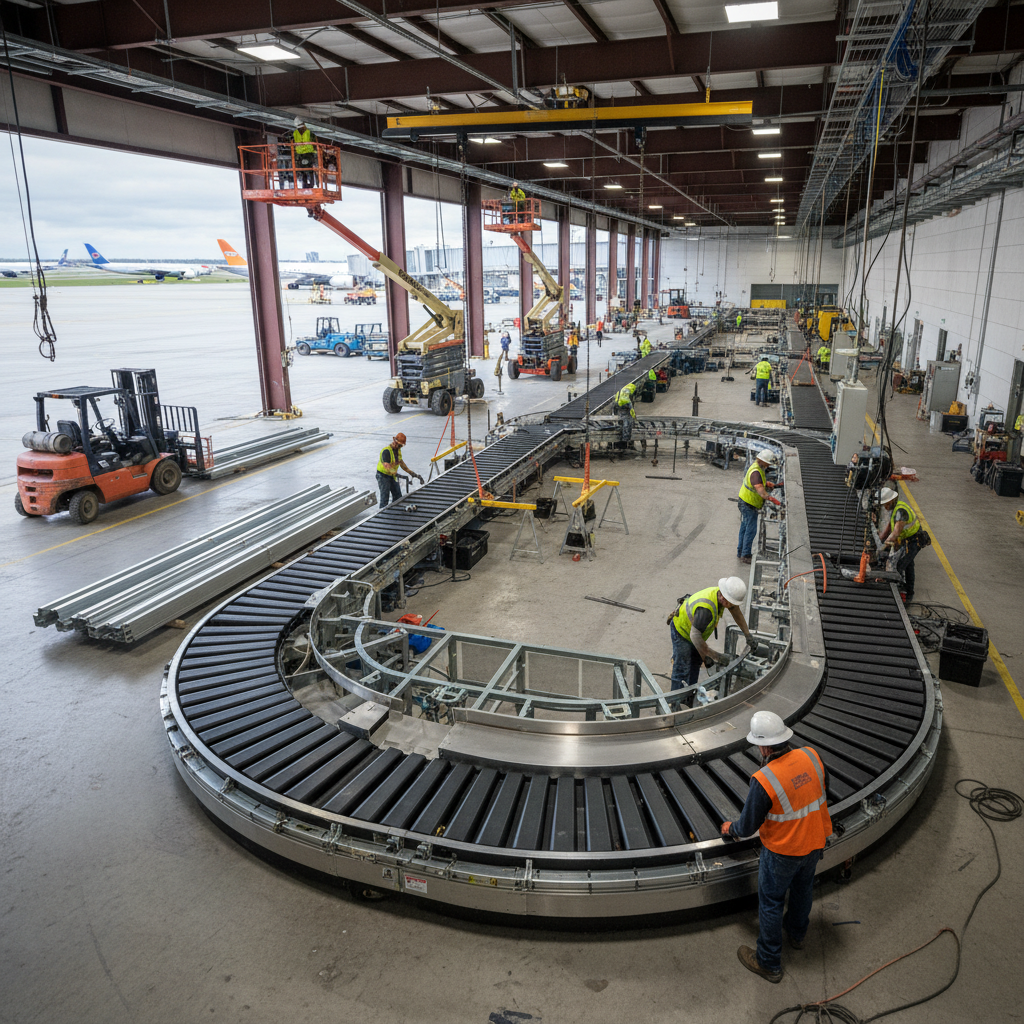
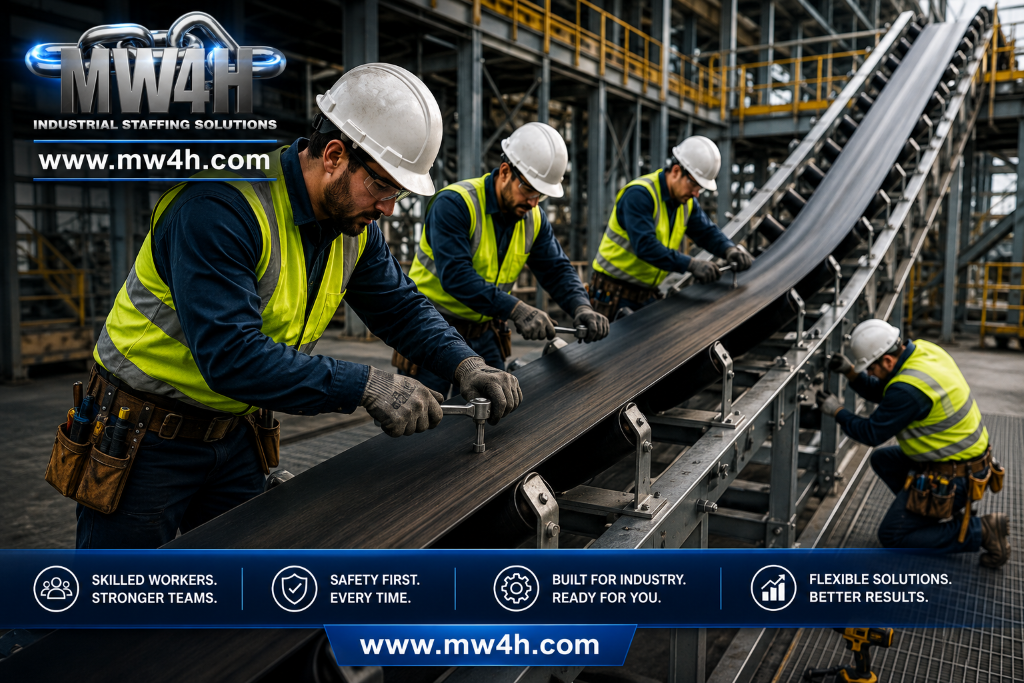
Rigging, moving, and setting heavy equipment, conveyors, and machine frames
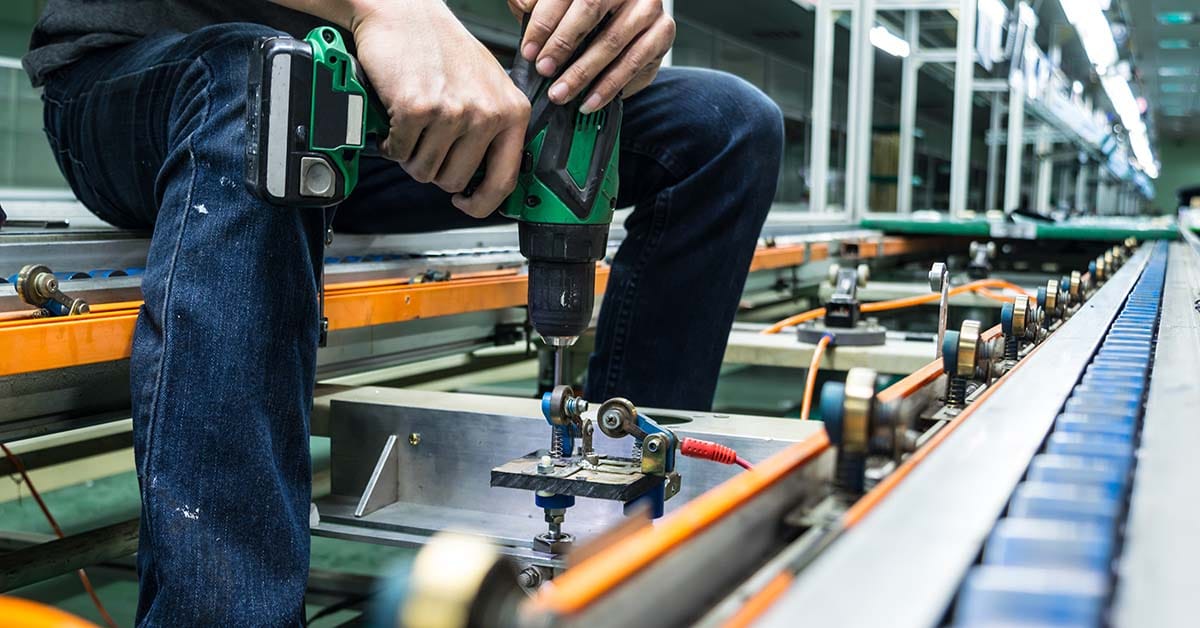
Precision alignment of motors, gearboxes, pumps, and rotating shafts
Reading blueprints and technical drawings to complete new installations
Planned and emergency maintenance during shutdowns and turnarounds
Troubleshooting mechanical failures before they turn into downtime
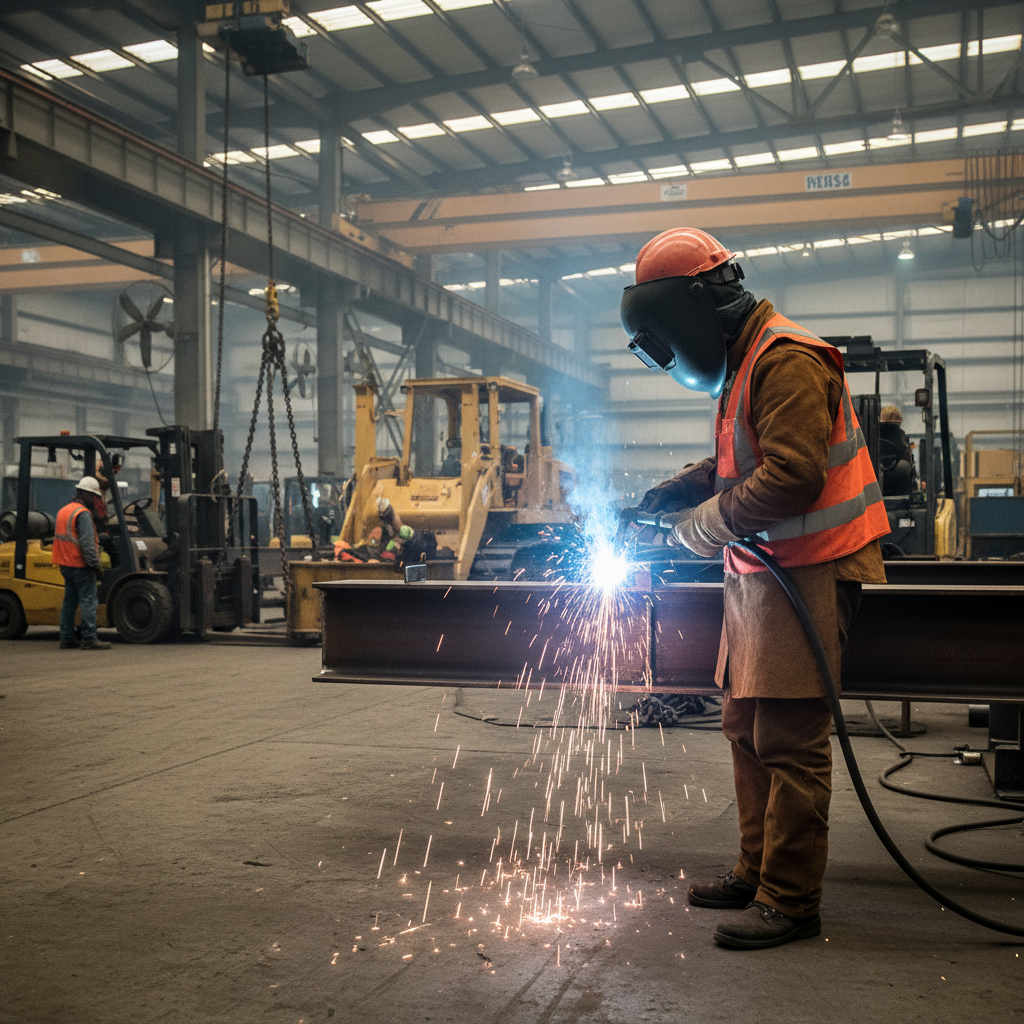
Welding, fabrication, and structural work that supports the main install
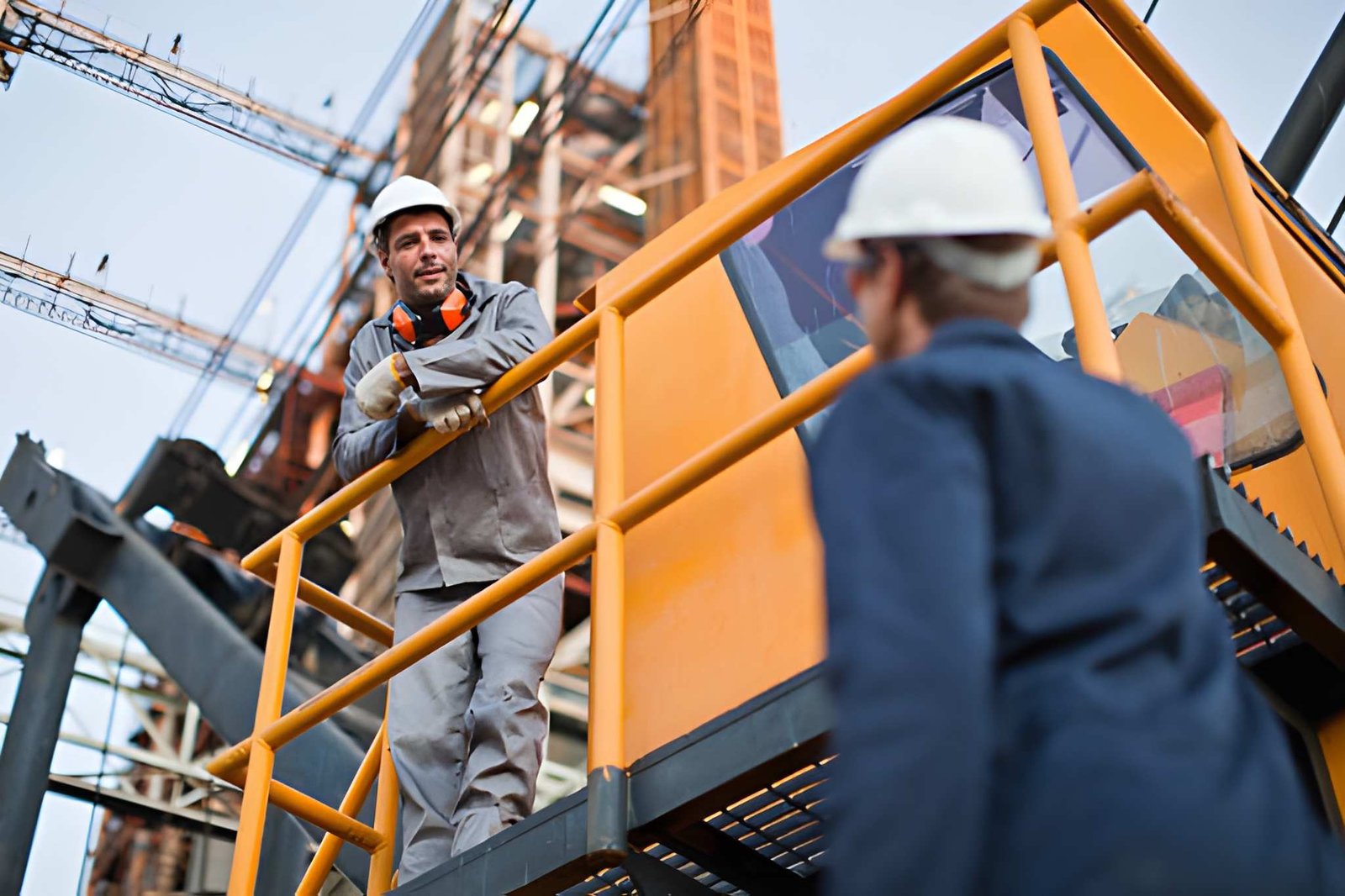
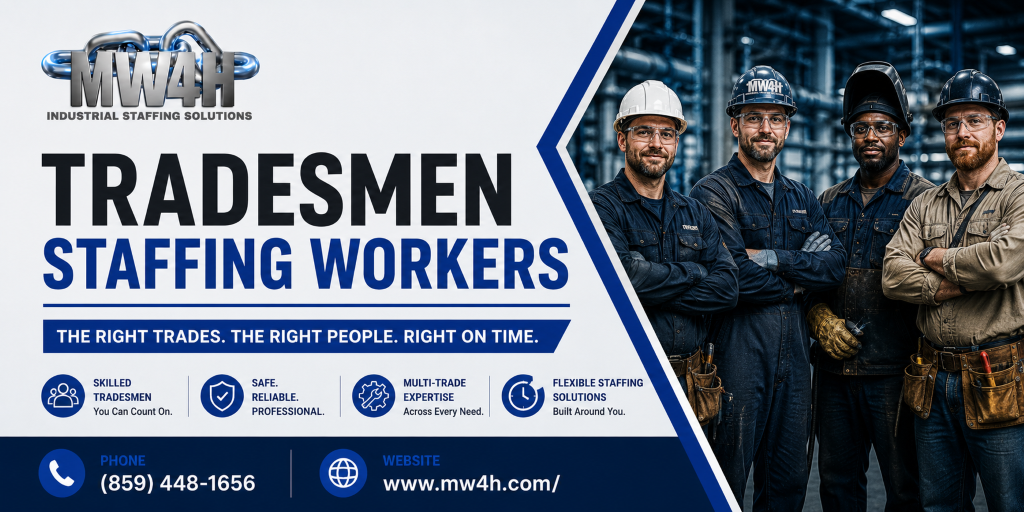
Many of these tasks overlap with other trades, which is why plants often hire millwrights alongside electricians, welders, and crane operators sourced from the same trades roster for a single project.
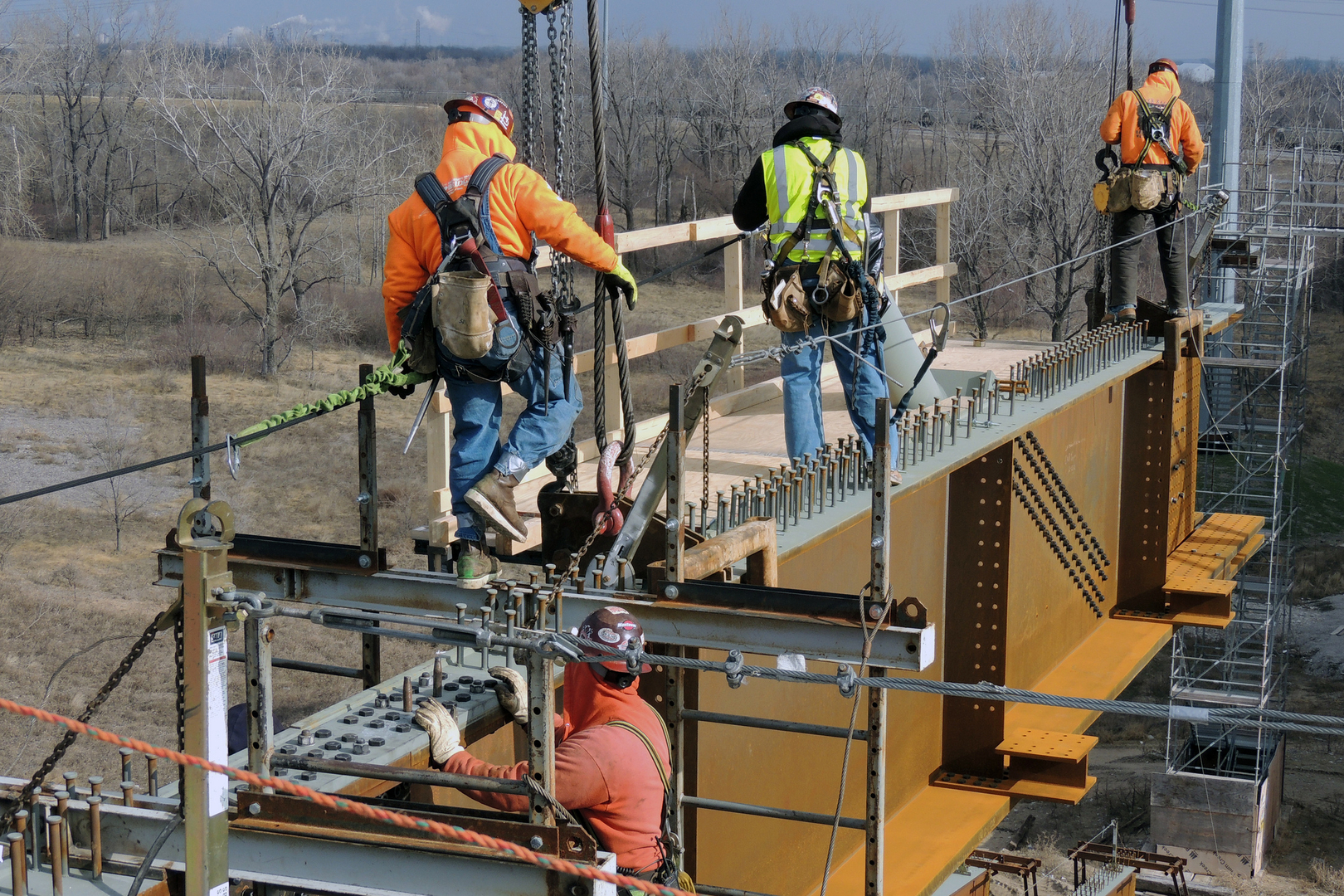
A millwright rarely works alone on a large install or shutdown. The best skilled trades staffing workers come as part of a coordinated crew that can cover the full scope of a job, including:
Precision Millwrights for close-tolerance alignment and calibration work
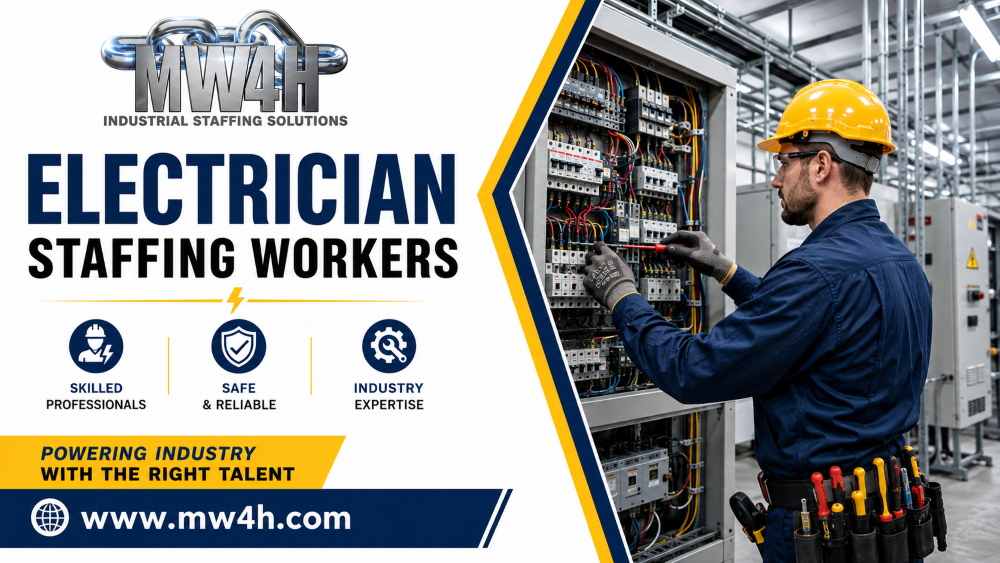
Industrial and commercial electricians for power and controls
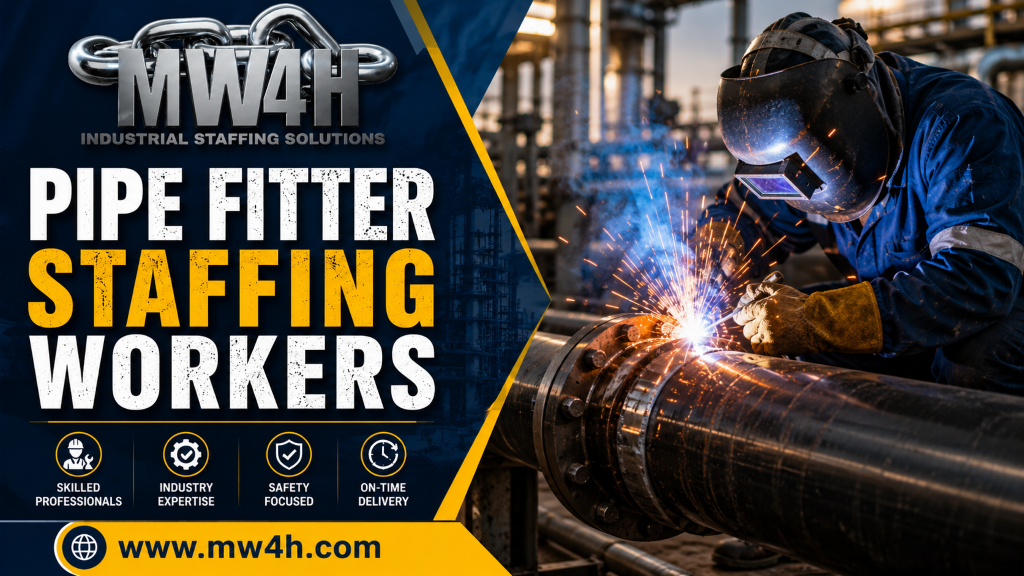
Certified pipefitters and welders for structural and process piping
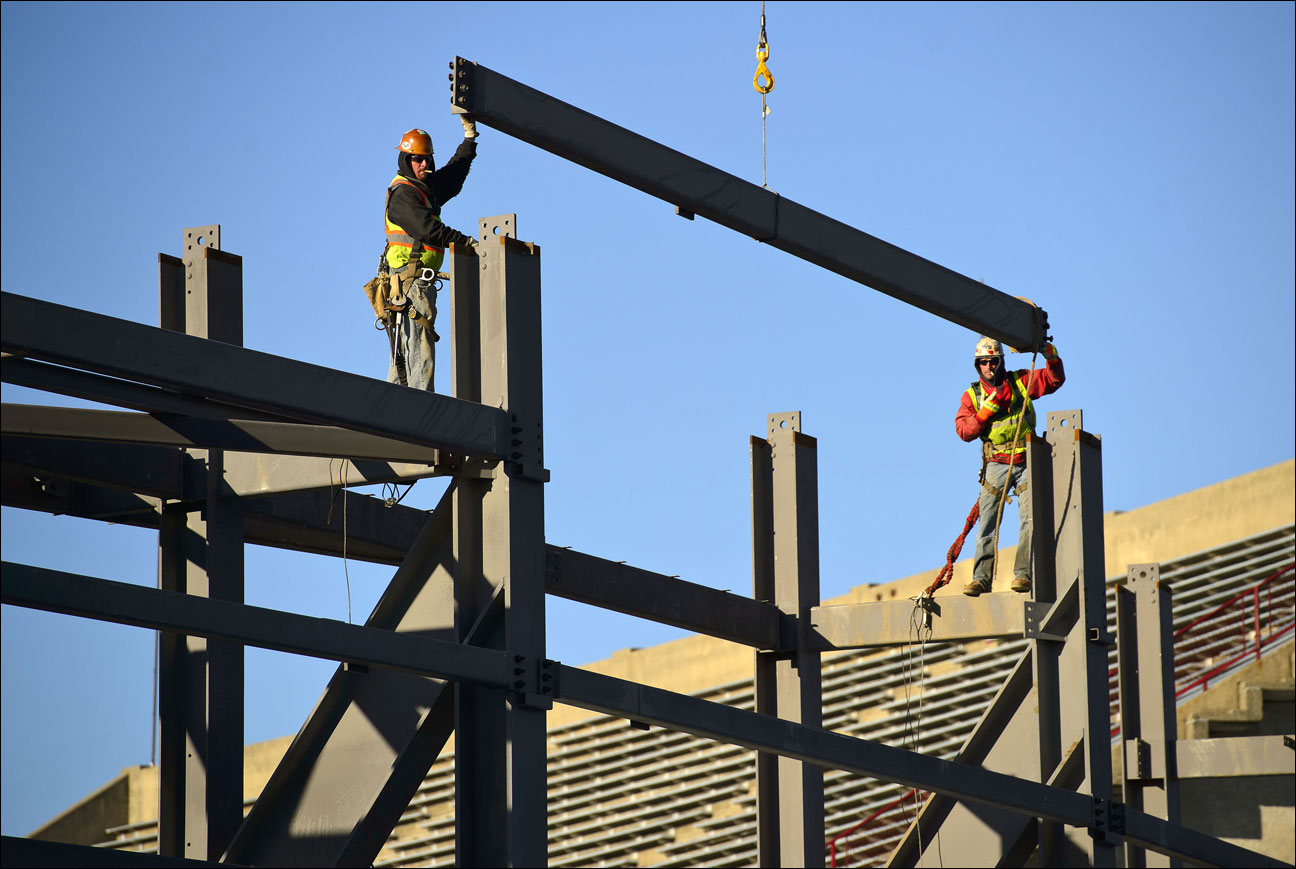
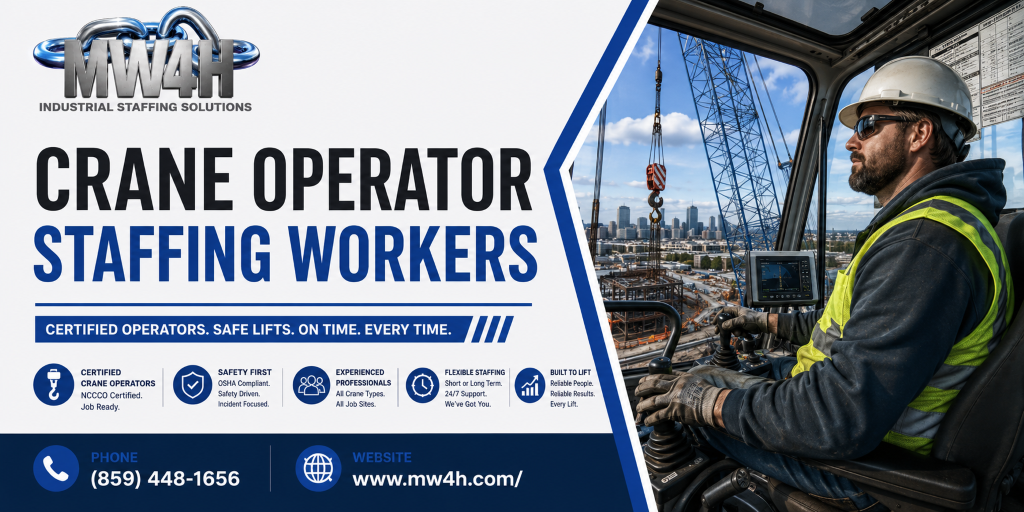
NCCCO-certified crane operators for heavy lifts
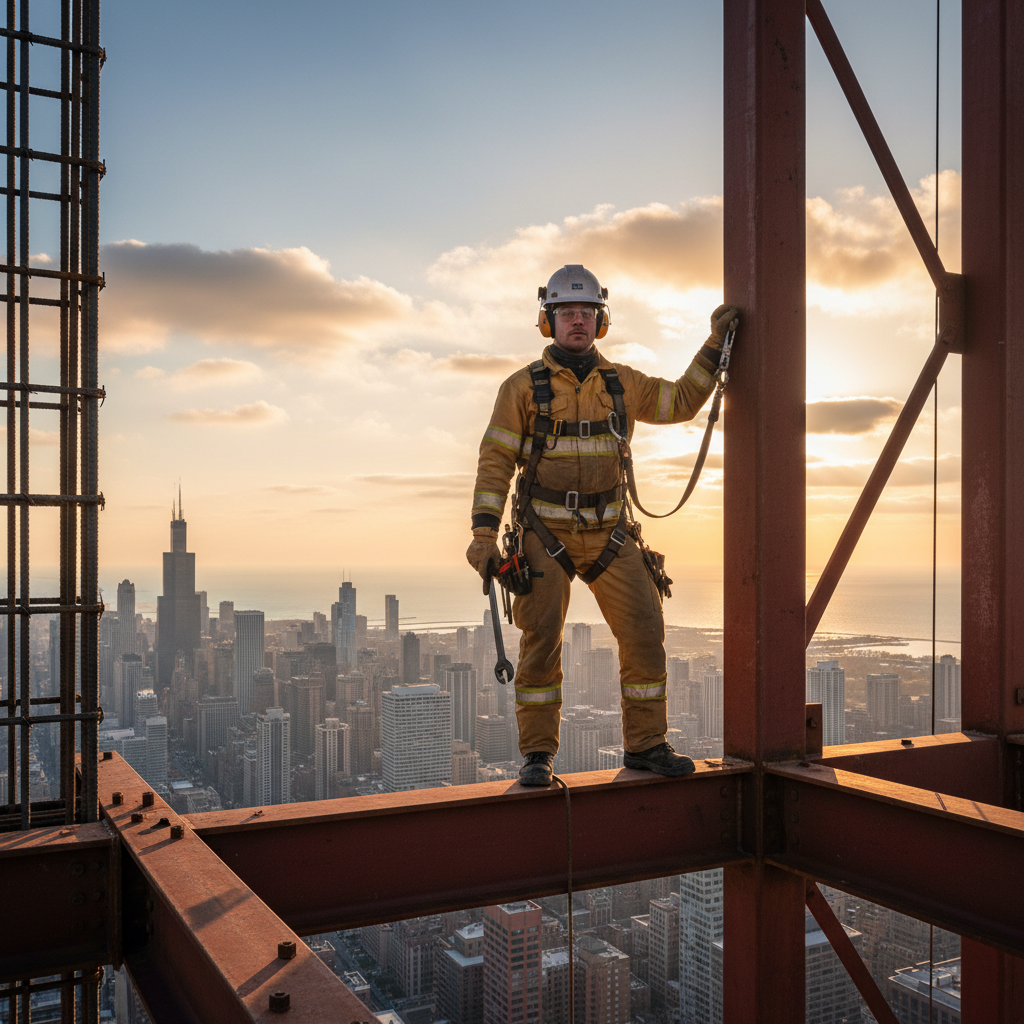
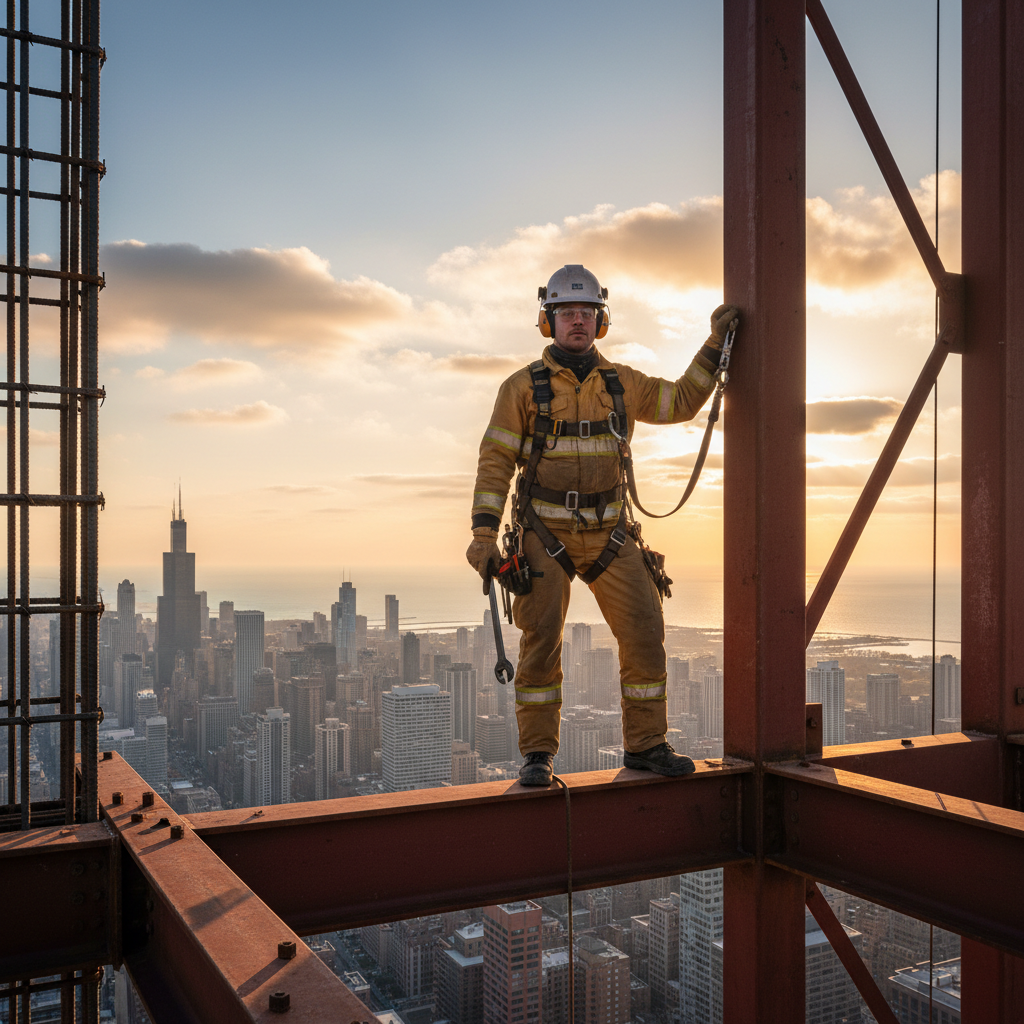
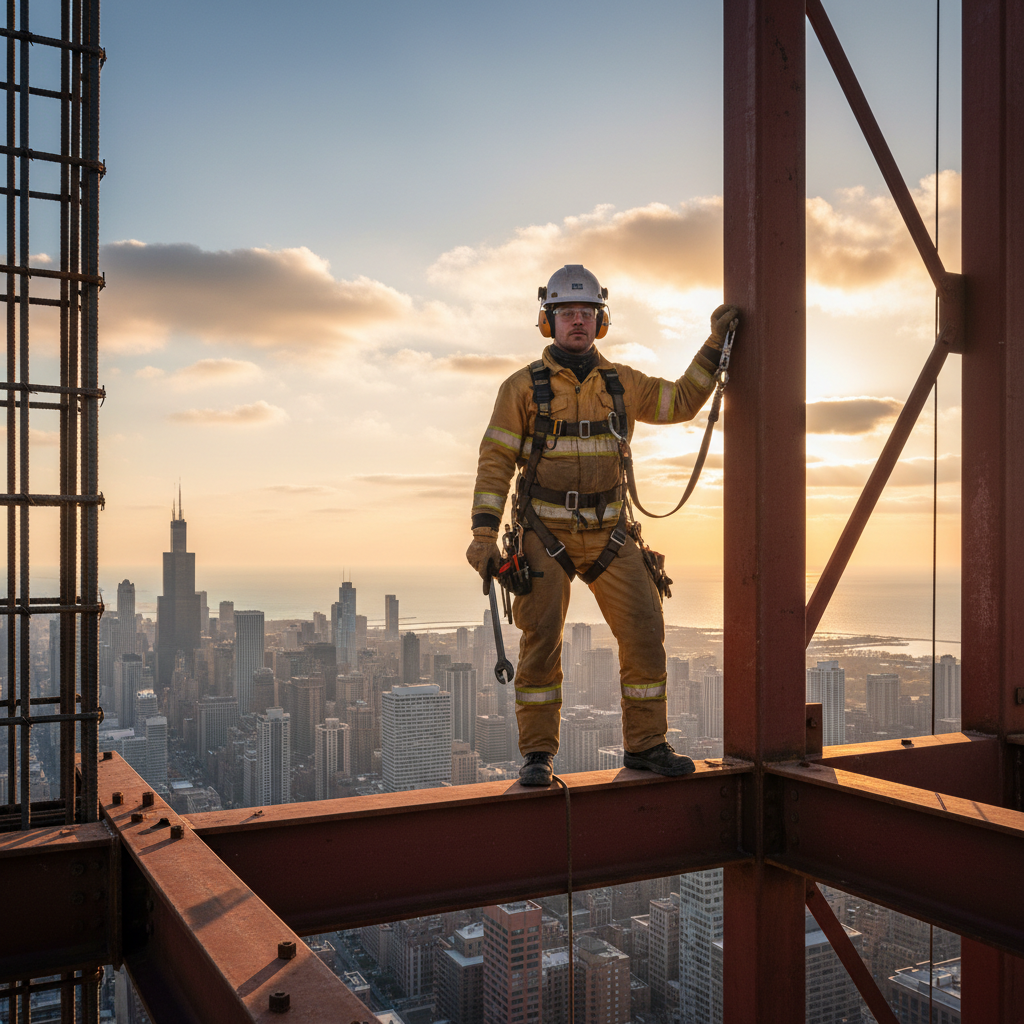
Iron workers for structural steel and framing
Sourcing every trade from one staffing partner cuts down on scheduling headaches, since one point of contact is coordinating the whole crew instead of five separate vendors.
Bringing in outside labor works best when the process is planned, not rushed. Follow these steps:
Define the scope and timeline. Know whether you need a two-day install or a six-week shutdown crew before you call.
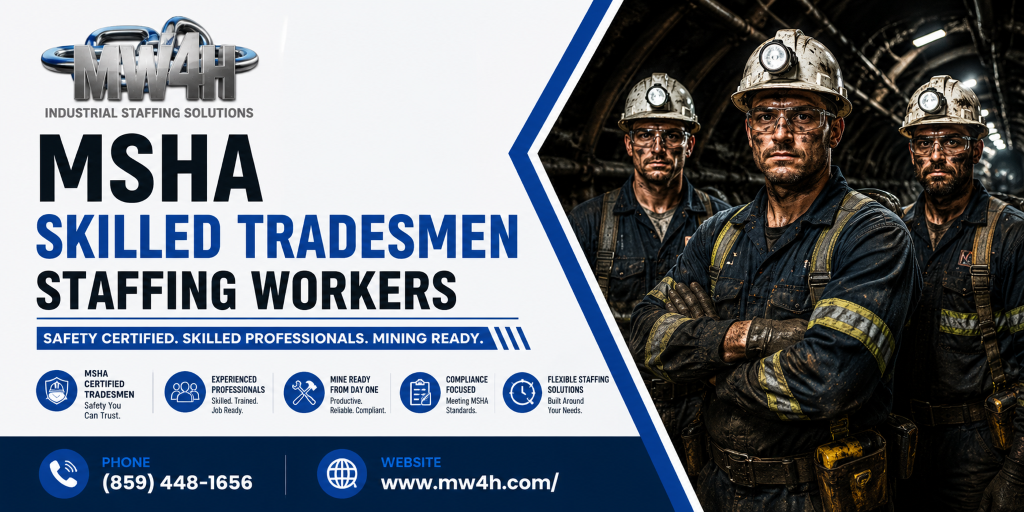
Confirm certifications up front. Ask specifically about OSHA, MSHA, or NCCCO credentials relevant to your site.
Check safety history. A staffing partner should be able to share incident rates and safety training records without hesitation.
Partner with an agency that pre-screens. This is where a dedicated industrial staffing agency saves the most time versus posting an open job yourself.
Confirm onboarding logistics. Site access, PPE, badging, and orientation should be arranged before the crew arrives, not on day one.
Stay in contact through the project. A good partner checks in during the job, not just at the start and end.
Ready to move on step one? You can register your project details online and a staffing coordinator will follow up with available crews.
Verified Experience: Look for workers with a documented track record on projects similar in size and complexity to yours, not just a resume that lists the right job titles.
Safety-First Habits: Industrial sites carry real risk. Workers should arrive already trained on lockout/tagout, fall protection, and confined space procedures relevant to your facility.
Flexibility Under Pressure: Projects shift. The right crew can scale from three workers to twelve, or the reverse, without the whole schedule falling apart.
Clear Communication: A staffing partner should tell you plainly if a certification is missing or a start date is at risk, rather than leaving you to find out on-site.
Downtime on an industrial line rarely costs just the hourly wage of an empty position. It costs missed production targets, contract penalties, and in some cases, safety risk from rushed internal reassignments.
Companies that build a relationship with a skilled trades staffing agency before they need one tend to recover from labor gaps faster, because the vetting and paperwork are already done. When a shutdown date moves up or a machine fails unexpectedly, the crew is a phone call away rather than a six-week hiring process.
MW4H Industrial Staffing works with contractors and plants across the country to supply project-ready millwrights and skilled trades crews on the timeline the job actually requires.
A nationwide network, so a niche certification is never out of reach
Workers who are vetted for experience and safety before dispatch
Flexible crew sizes that scale up or down as the project changes
A dedicated point of contact from the first call through the final walkthrough
Learn more about how we work on the About Us page, or reach out directly to talk through your next project.
Labor gaps do not wait for a convenient hiring cycle, and neither should you. Whether you need one precision millwright for a two-day alignment job or a full crew for a month-long shutdown, working with an established skilled trades staffing partner means the right people show up certified, ready, and on time.
MW4H has spent years building the kind of nationwide network that makes that possible. Contact MW4H today to talk through your next project, or register online to get matched with available millwright staffing workers now.
Everything you need to know about MSHA Skilled Tradesmen Staffing workers.


























Reach out for staffing solutions or inquiries. We are here to assist you with your needs across various industries.