Most site managers have lived through that scenario at least once. And when they sit down afterward to figure out what went wrong, the answer is rarely about effort. It is almost always about fit. The wrong skills in the wrong roles, workers who needed more time to get up to speed than the project had available, or a crew that lacked the specific trade knowledge the work actually required.
This is exactly the problem that professional skilled trade staffing is built to solve. When you bring in people who are genuinely qualified for the specific work at hand, productivity does not just improve incrementally. It shifts in a way that changes the feel of the entire project. The pace picks up. Supervision gets easier. Quality holds. And the people managing the work spend less time putting out fires and more time moving the job forward.
This post explores why that shift happens, what it looks like in practice, and why companies that have made the transition to professional skilled trade staffing rarely want to go back to the way they used to do things.
Why the Right Tradesmen Staffing Workers Change Everything on a Jobsite
Productivity in industrial and construction environments is not a simple metric. It is not just how many hours are logged or how many tasks are completed in a day. It is the relationship between the work that needs doing and the capability of the people assigned to do it. When that relationship is well-matched, things move. When it is not, everything slows down in ways that are difficult to fully trace back to a single cause.
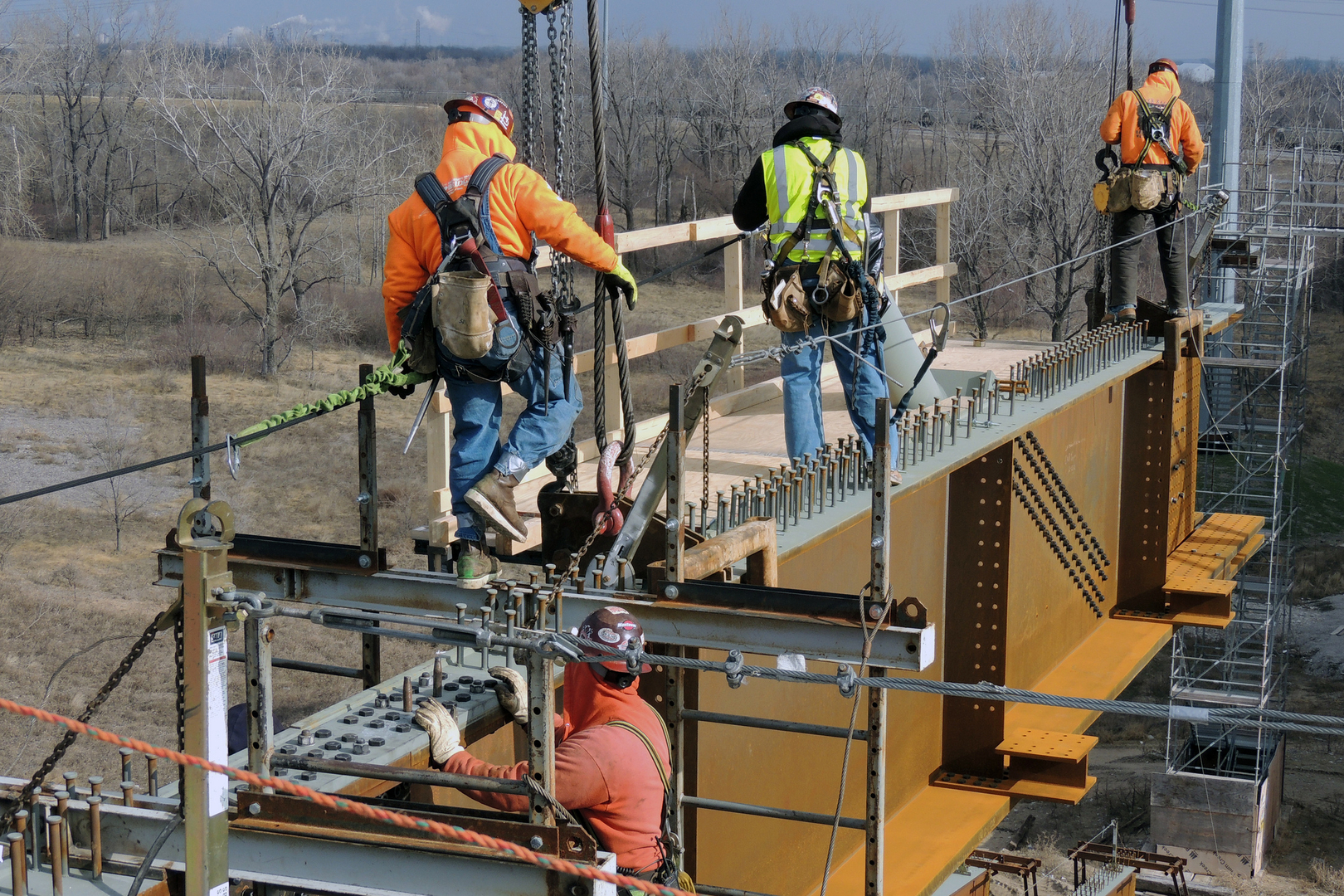
Professional Tradesmen Staffing workers bring a level of immediate readiness that changes the math on a project from the first day. They are not learning the trade on your time. They are not figuring out safe practices as they go or waiting for supervision to walk them through fundamentals. They arrive with the relevant experience already behind them, and they integrate into a working crew faster than most organizations expect.
That speed of integration is genuinely undervalued until you have experienced the contrast. A worker who has done the same class of work on multiple previous projects does not need to acclimate to the pace. They set it. And when you have a crew of people operating at that level, the cumulative effect on daily output is significant.
Specific Skills for Specific Work
One of the consistent issues with general labor recruitment is that the match between worker capability and job requirement is often approximate at best. Someone might have broad construction experience but limited time on industrial mechanical work. Someone else might be a strong fabricator but unfamiliar with the specific tolerances or procedures required for your application.
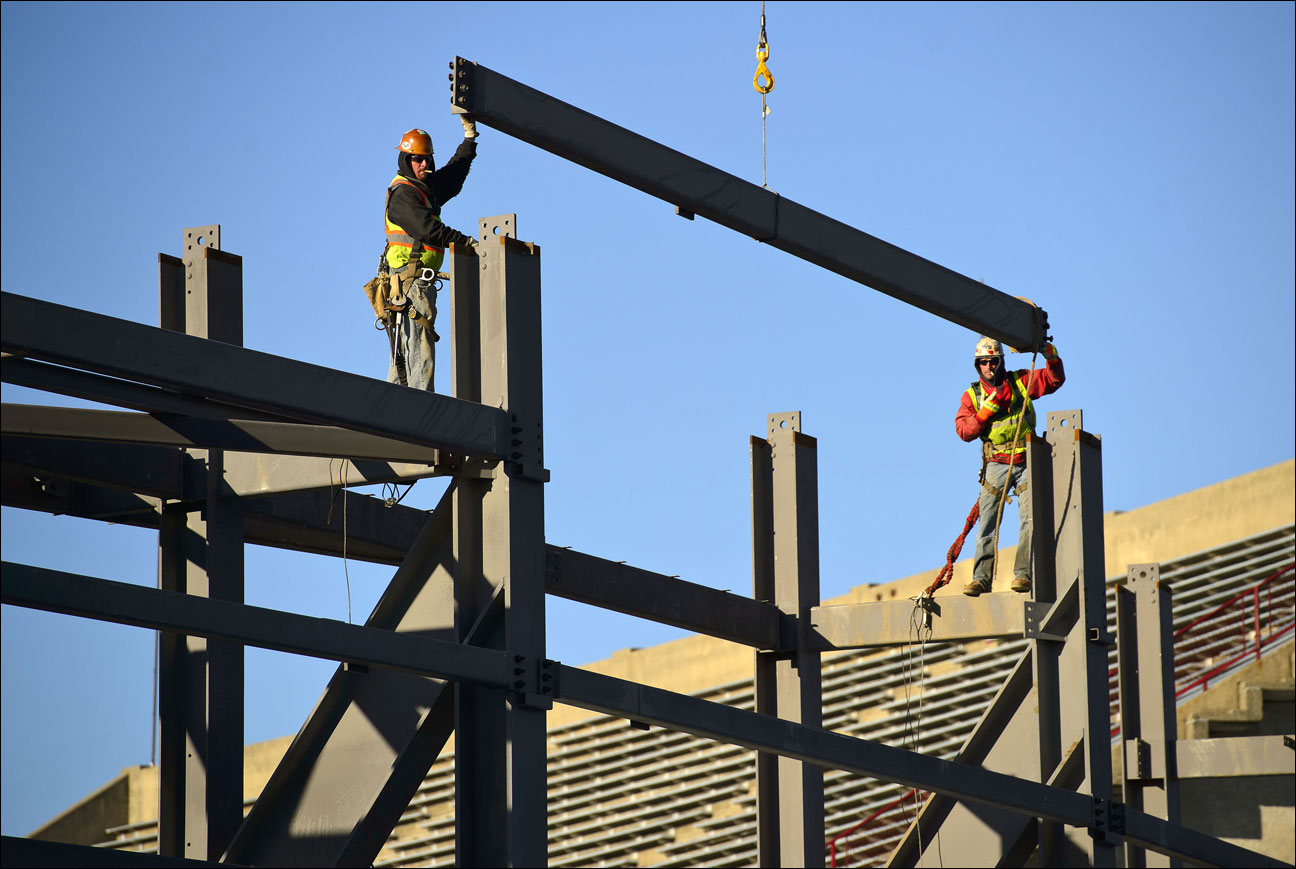
Professional staffing partners who specialize in skilled trades handle this differently. They maintain detailed records of each worker's specific qualifications, past project types, industry experience, and technical certifications. When a project calls for millwrights with experience in rotating equipment alignment or ironworkers familiar with heavy structural work in active plant environments, those distinctions are tracked and matched.
The result is a workforce where the skill actually fits the scope. That sounds straightforward, but it is rarer than it should be in practice, and it makes a measurable difference in how efficiently work progresses.
How Professional Tradesmen Staffing Workers Reduce Downtime and Rework
Two of the biggest invisible costs on any industrial project are downtime and rework. Downtime is the time when qualified work should be happening but is not, whether because of equipment issues, waiting on materials, or workforce gaps. Rework is the time and material cost of correcting work that did not meet the required standard the first time.
Both of these costs are significantly reduced when the workforce is made up of properly qualified professionals. Workers who understand the applicable codes, procedures, and quality standards for their trade make fewer errors that require correction. They recognize potential issues earlier in the process, before they become expensive problems. And they are typically more efficient at using their working time productively rather than pausing to figure out how to proceed.
Agencies like Millwrights4Hire build their reputation precisely on this kind of field performance. Workers placed through professional staffing channels arrive already familiar with the documentation requirements, the quality expectations, and the work practices that prevent rework from happening in the first place. That institutional discipline, developed across many project placements, translates directly into better outcomes on-site.
Supervision Becomes More Effective
There is another productivity benefit that does not show up in direct measurements but is felt clearly by anyone running a site. When the workforce is made up of genuinely experienced tradespeople, supervision becomes far more effective. Foremen and superintendents can direct work rather than teach it. They can manage scope and pace rather than managing individual workers through tasks that those workers should already know how to execute.
This frees up supervisory bandwidth for the things that actually move a project forward: sequencing, coordination, problem-solving, and quality control. A foreman who is not spending half their day checking whether basic work was done correctly is a foreman who can keep 12 people productive instead of 6. That multiplier effect is real and it compounds across a project duration.
Workforce Flexibility That Keeps Projects Moving Through Every Phase
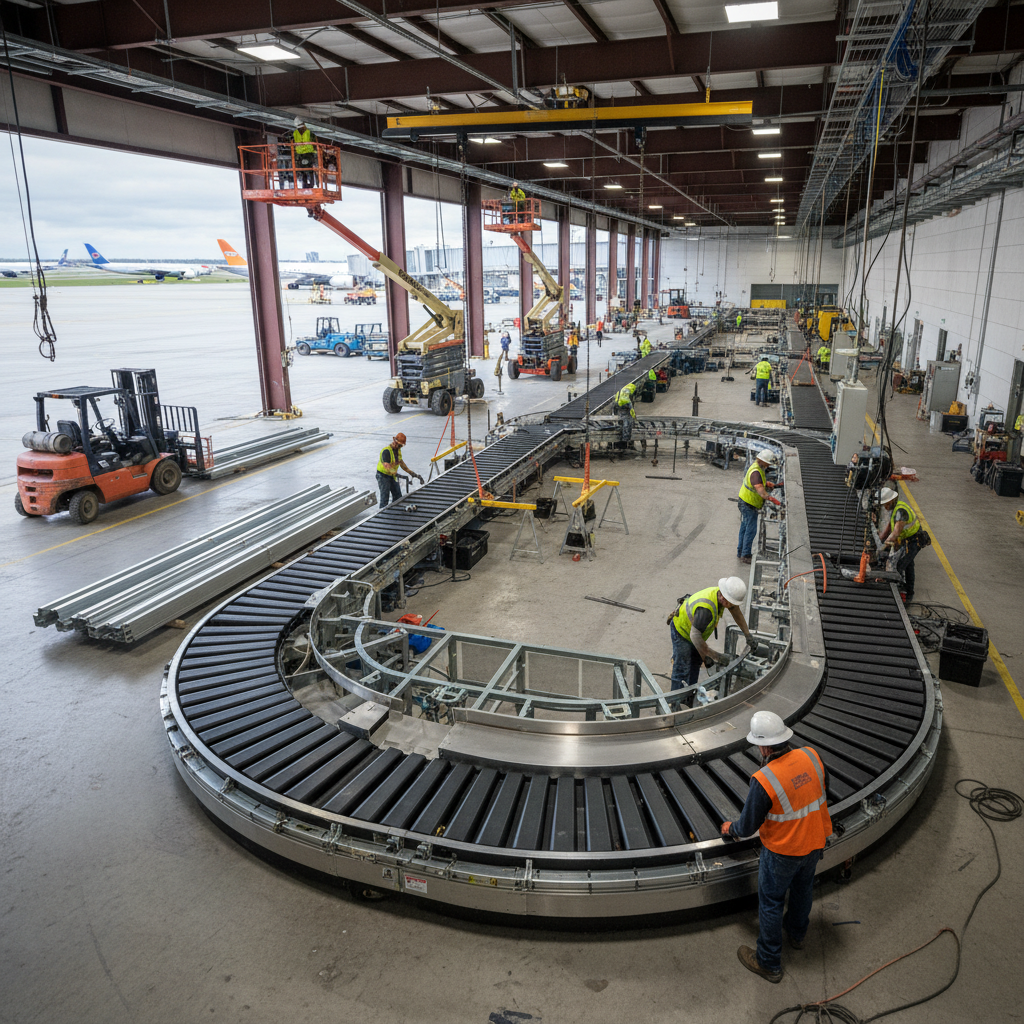
Industrial projects are not static. The labor demand changes as the work progresses through different phases. Peak execution might require a crew of 25. Close-out might need 8. And there are often surges in the middle, driven by schedule pressure or scope additions, where you need to add capacity quickly without disrupting the work that is already underway.
Professional Tradesmen Staffing workers are uniquely suited to this kind of variable demand environment. They are accustomed to project-based work. They are experienced in joining active crews mid-project and contributing immediately. And because they are sourced through a staffing partner rather than direct employment, the logistics of scaling up or down do not create the administrative and HR complexity that comes with direct hiring and layoffs.
For project managers and operations leaders, this flexibility is a genuine operational advantage. You can match your workforce precisely to your actual needs at each project phase, rather than carrying excess labor during slower periods or scrambling to find qualified workers during surges. The workforce bends with the project instead of forcing the project to accommodate a fixed workforce.
Millwrights4Hire has structured its staffing model around exactly this kind of project-phase responsiveness. Whether a client needs to mobilize a large crew quickly for a shutdown or add specific specialty workers for a particular scope, the process is designed to be fast and frictionless on the client side.
The Long-Term Productivity Impact of Building Staffing Relationships
One thing that becomes clear after multiple project cycles with a professional staffing partner is that the productivity benefits compound over time. The first project involves some orientation. The staffing partner learns your standards, your site culture, and your typical scope requirements. By the second and third project, that knowledge is already in place.
Workers who performed well on previous projects can be re-engaged for future work. The staffing partner already knows which workers fit your environment and which ones to prioritize for your assignments. The process of getting the right people in place gets faster and more accurate with each cycle, because the relationship carries institutional knowledge that does not have to be rebuilt from scratch.
This is a dynamic that companies managing one-off staffing arrangements rarely experience. It requires investing in a real partnership rather than a transactional vendor relationship, but the return on that investment shows up clearly in faster mobilization, higher baseline quality, and fewer of the friction points that slow projects down in their early stages.
For companies looking to explore what that kind of partnership looks like in practice, Millwrights4Hire offers a range of skilled trade staffing solutions built specifically for industrial and construction environments. Their workforce includes professionals across mechanical, pipefitting, welding, and millwright disciplines, all vetted to the standard that demanding projects require.
Safety Culture as a Productivity Driver Among Tradesmen Staffing Workers
Safety and productivity are sometimes framed as competing priorities, as though slowing down for safe practices necessarily reduces output. That framing is incorrect, and experienced industrial workers know it. The sites with the strongest safety cultures are consistently among the most productive, because safe work practices eliminate the incidents, near-misses, and resulting downtime that genuinely disrupt productivity.
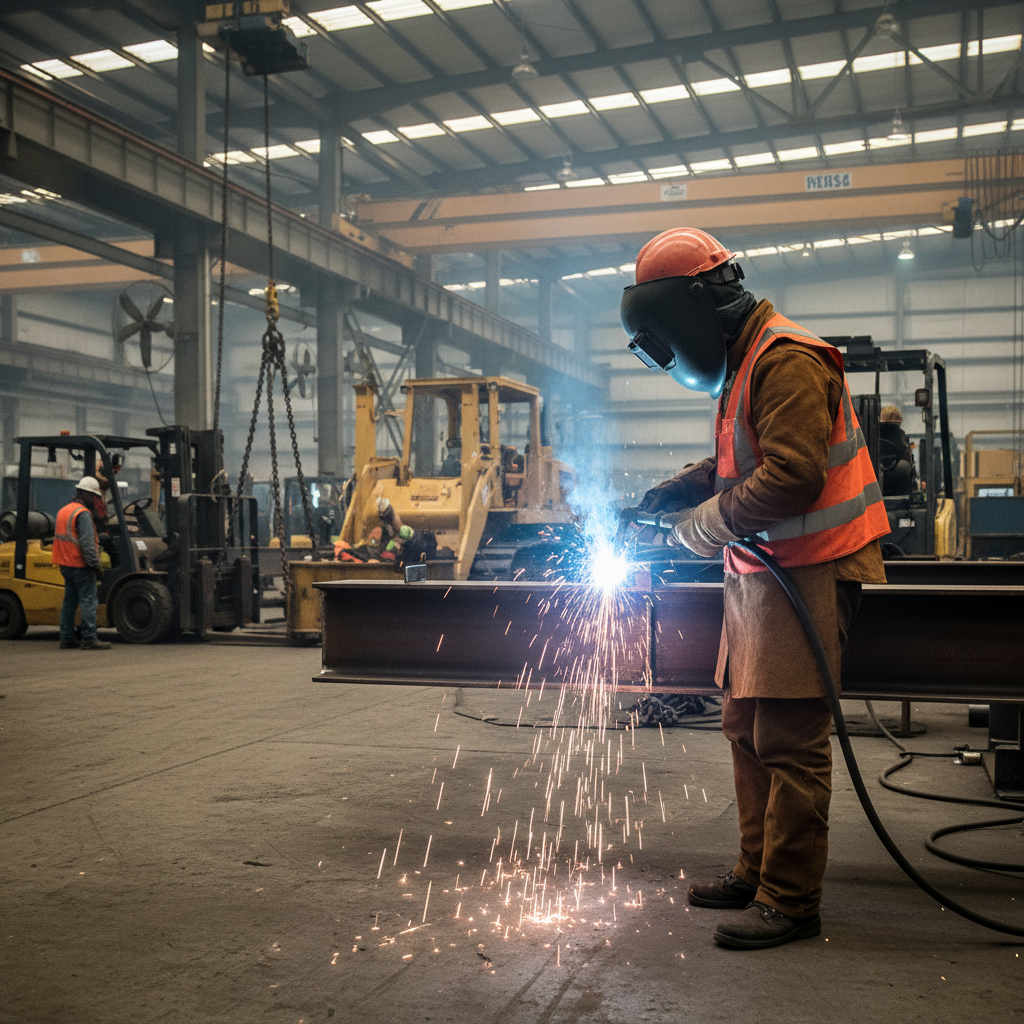
Professional Tradesmen Staffing workers placed through reputable agencies come with established safety habits. They hold current OSHA certifications, they are familiar with lockout/tagout procedures, confined space protocols, and PPE requirements for different environments. They do not need to be taught basic site safety from the ground up, and they do not create the risk exposures that come from workers who are unfamiliar with industrial safety expectations.
This baseline safety competency protects your project from the productivity-killing consequences of incidents and investigations. It also reduces your insurance exposure and helps maintain the positive safety record that many clients require as a condition of contract performance.
The Bottom Line on Skilled Trade Staffing and Productivity
When you look across everything that professional trade staffing brings to a project, the productivity story becomes clear. It is not one big dramatic improvement. It is a collection of gains that work together: faster integration, fewer errors, reduced rework, more effective supervision, better workforce flexibility, stronger safety practices, and the compound benefit of an improving staffing relationship over time.
Each of those gains is real and measurable on its own. Together, they add up to a materially better project outcome than most organizations achieve when they try to fill skilled trade roles through traditional direct hiring or general staffing channels.
The companies that understand this do not treat skilled trade staffing as a cost center or a last resort. They treat it as a strategic tool for project performance. They build real relationships with staffing partners who know their standards and can deliver consistently. And they show up to each project with a workforce that is ready to produce from day one, rather than one that needs weeks to find its footing.
Everything you need to know about Tradesmen Staffing workers.



































Reach out for staffing solutions or inquiries. We are here to assist you with your needs across various industries.