When a steel framework goes up wrong, it doesn’t just cost money — it can cost lives. That’s the reality project managers in construction and heavy industrial work face every time they bring on a crew. Getting the structural phase right depends almost entirely on who’s doing it.
This is where Iron Worker Staffing workers make a measurable difference. Rather than scrambling through job boards or relying on word-of-mouth when a project ramps up, companies use staffing partners like Millwrights4Hire to get vetted, experienced professionals on-site fast — without the overhead of full-time hires.
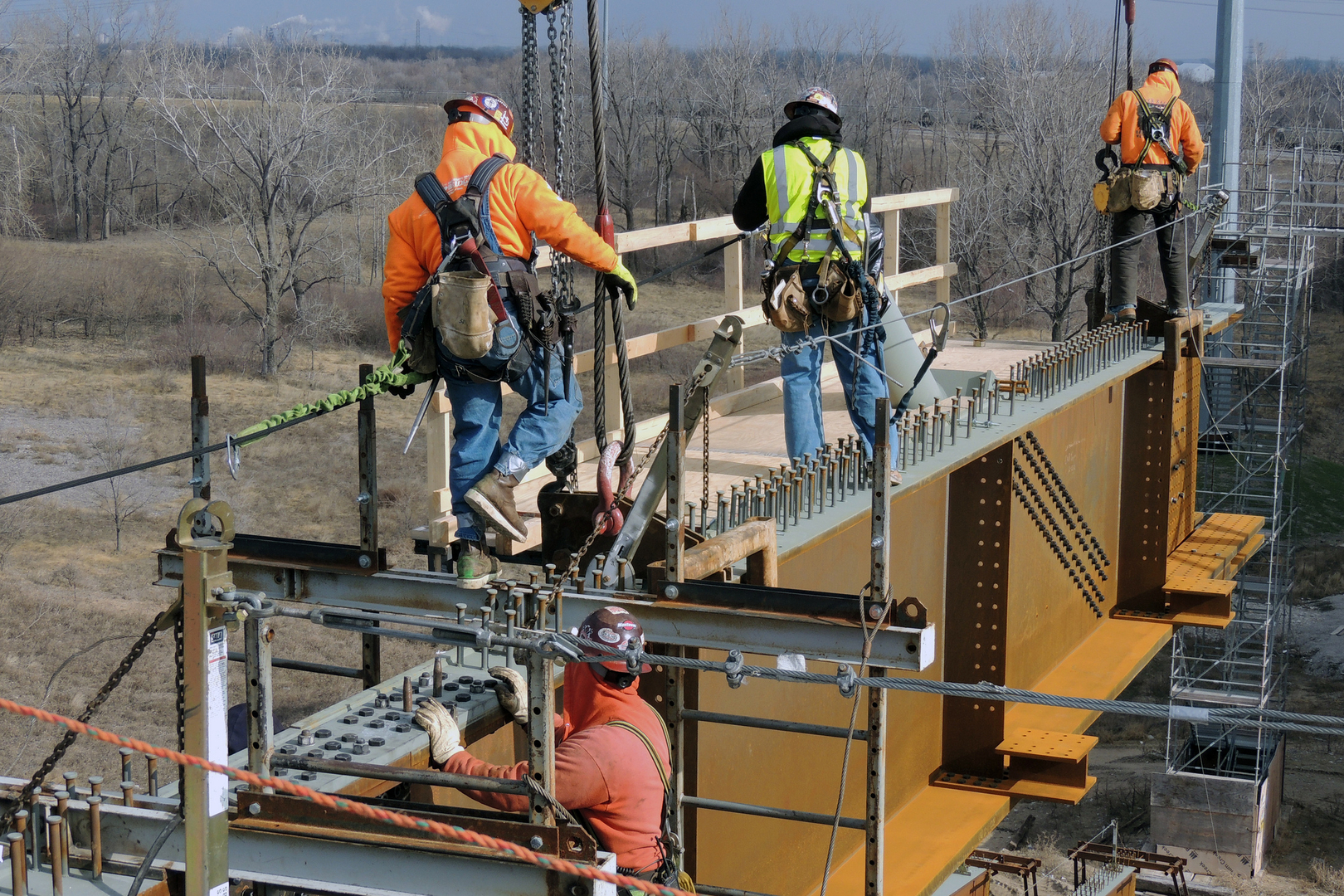
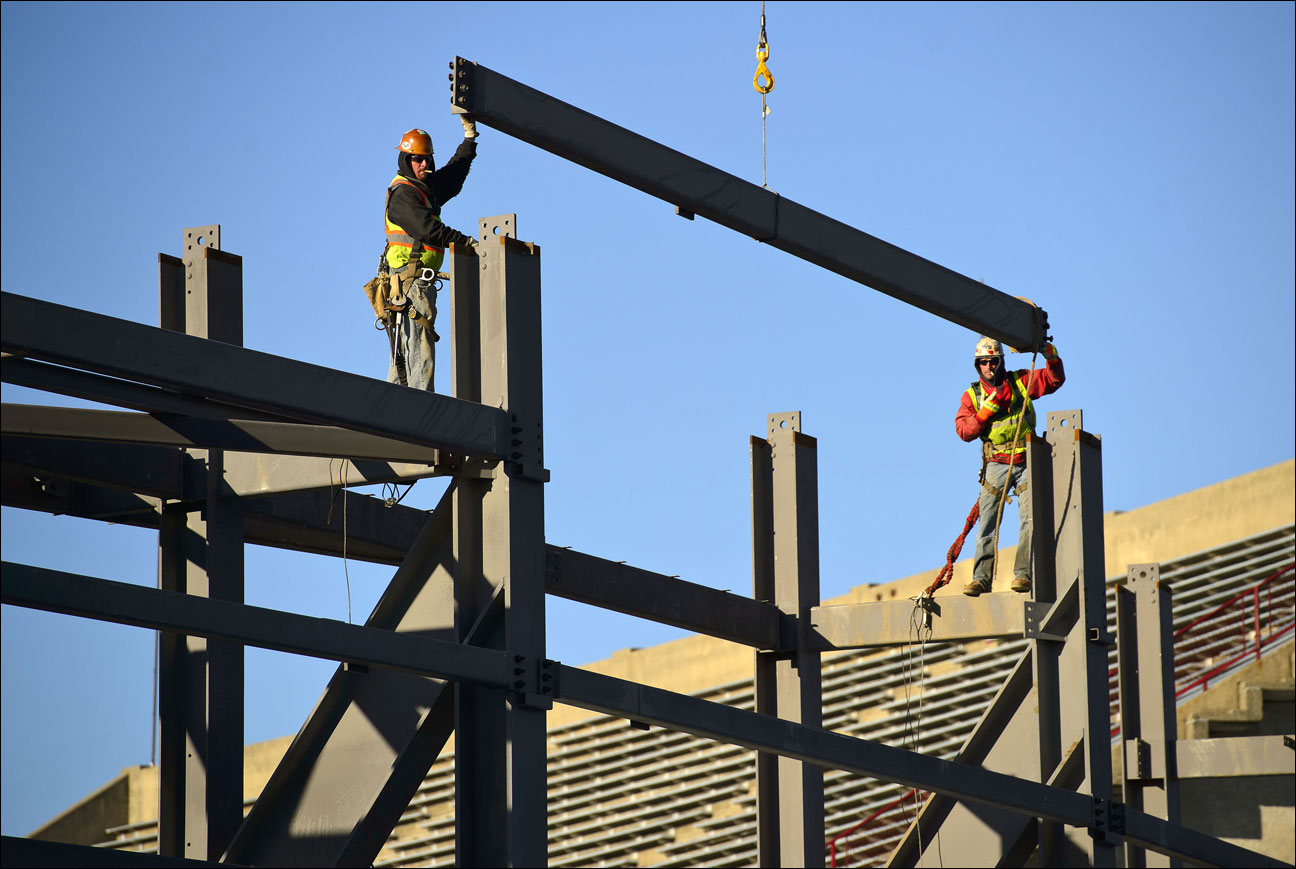
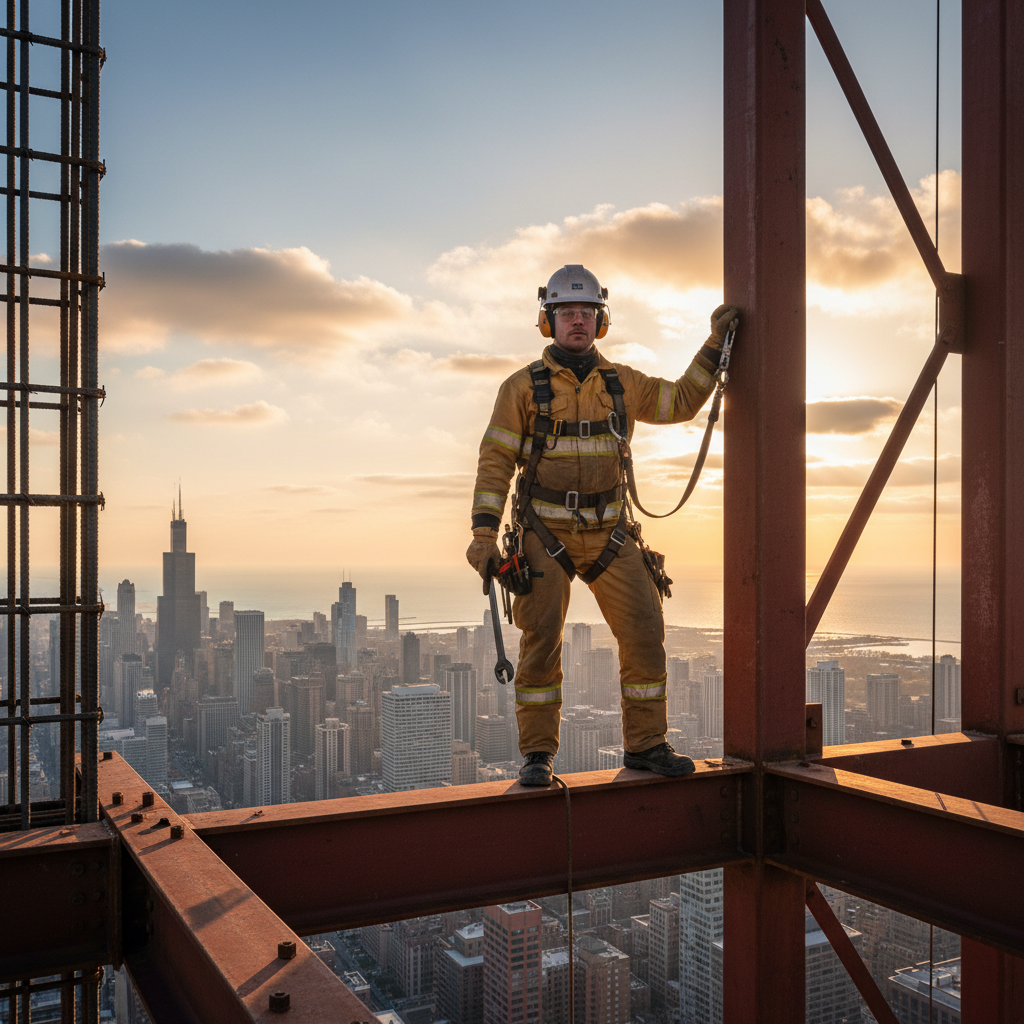
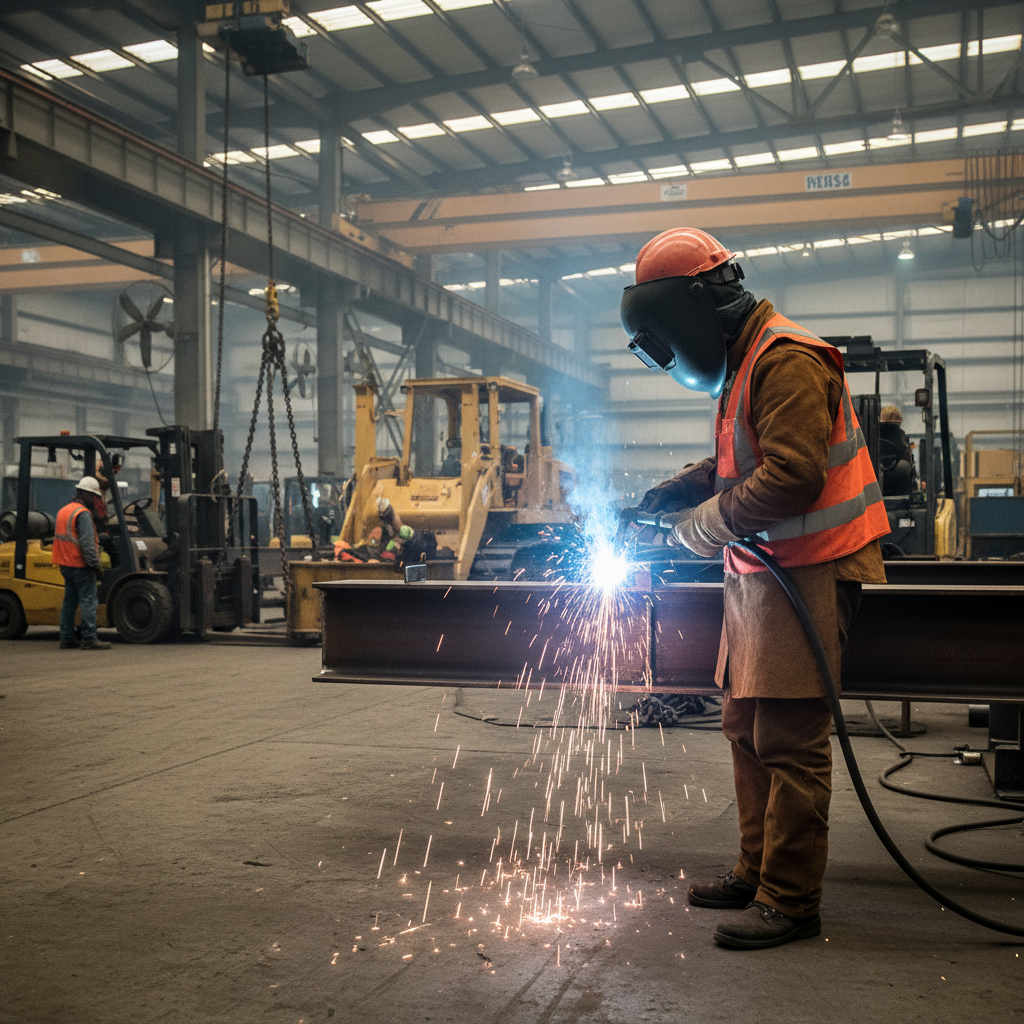
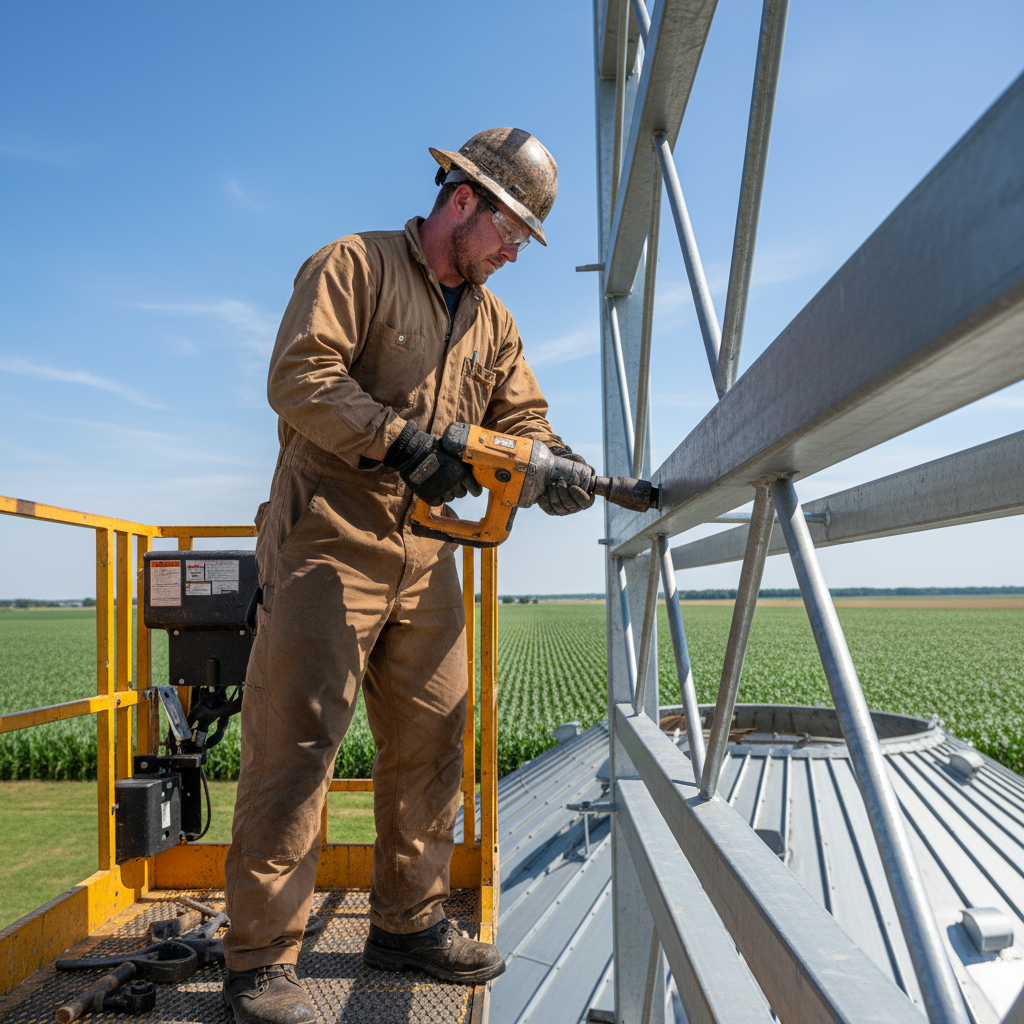
Iron workers handle the steel skeleton of a structure. That includes reading and interpreting engineering blueprints, positioning and connecting load-bearing beams, bolting or welding connections, and reinforcing concrete with rebar. On a busy commercial build, a single iron worker might move between multiple tasks in a single shift.
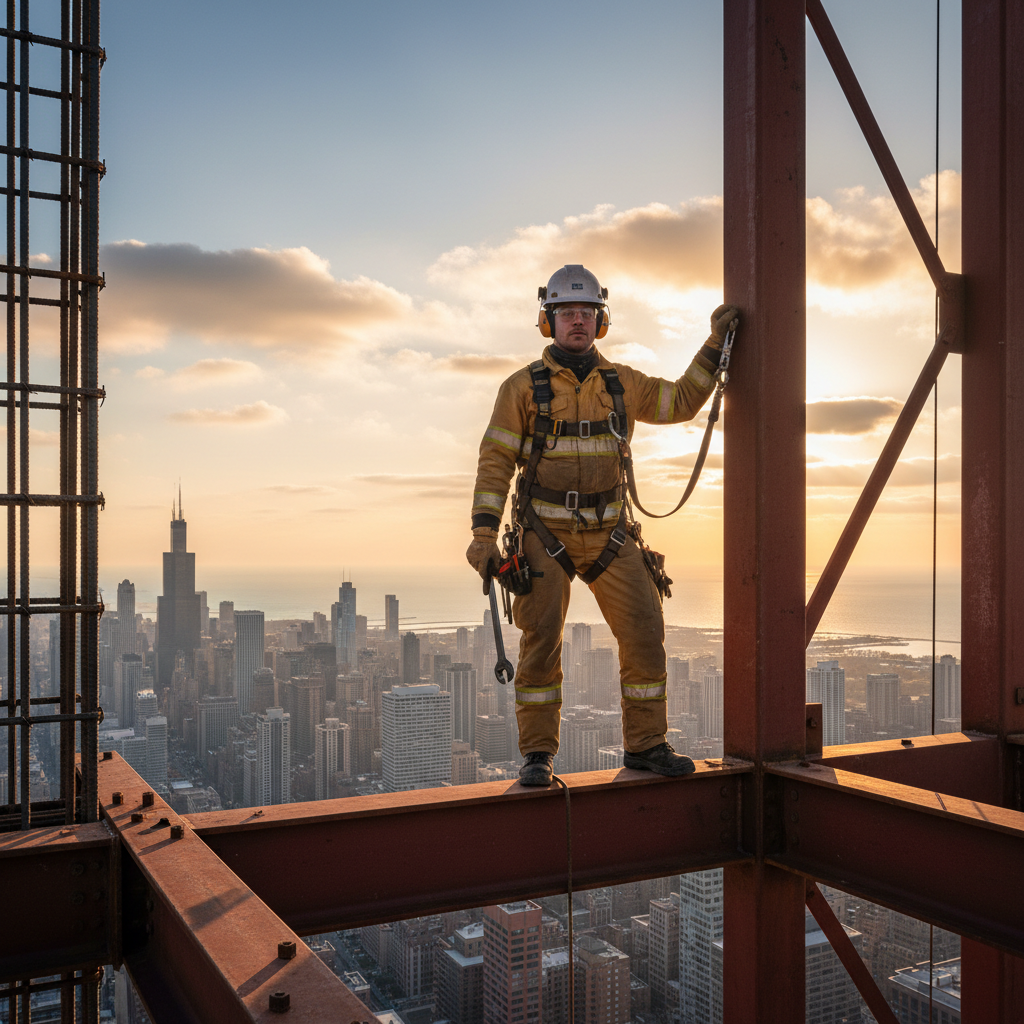
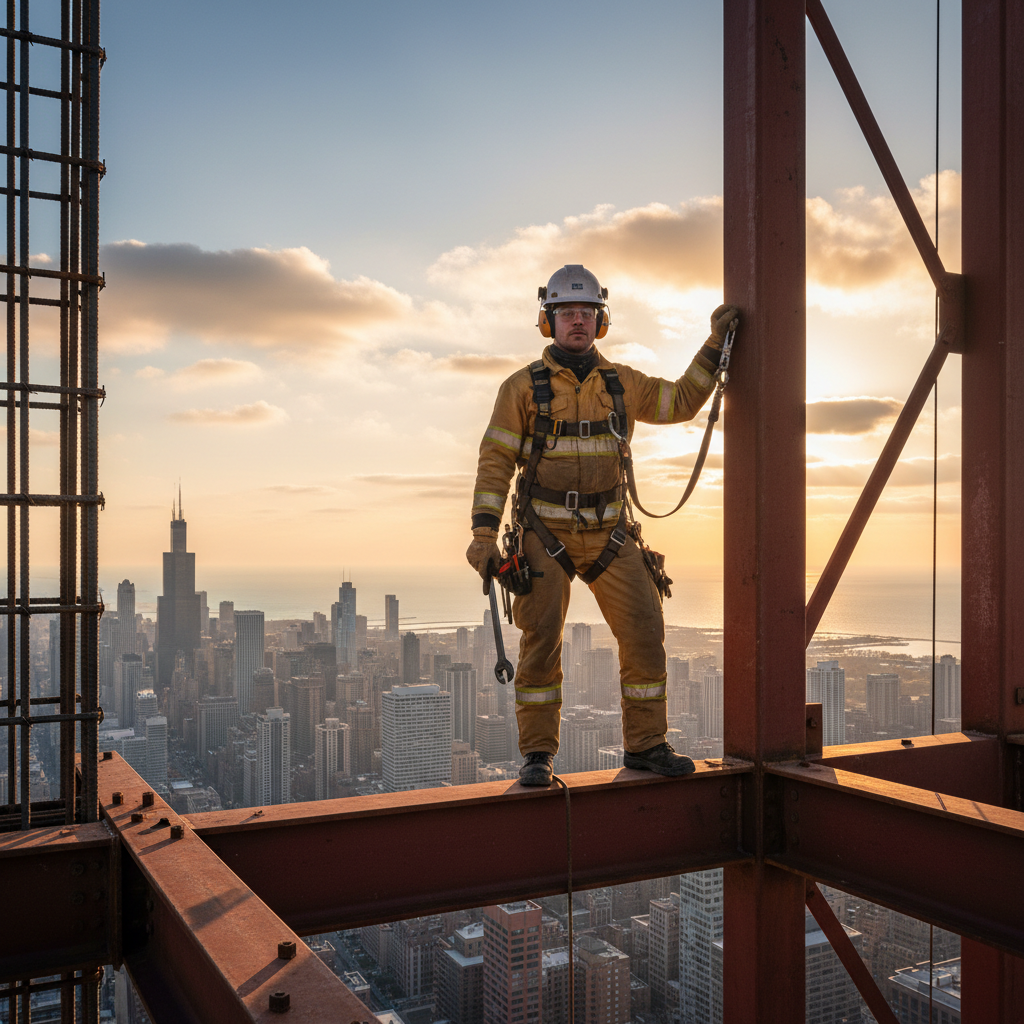
What separates a good iron worker from a great one isn’t just physical strength; it's the ability to work accurately at height, under pressure, with other trades operating nearby. A misaligned beam or a missed connection isn’t a minor error; it can cascade through an entire structure.
Structural steel phases don’t last forever. A building might need a full crew for eight to twelve weeks, then that demand drops off sharply as the build moves to other trades. Hiring permanent staff for that kind of cyclical demand doesn’t make financial sense for most companies.
This is exactly why businesses turn to Iron Worker Staffing workers gives project managers the flexibility to scale up when the steel is going in and scale back when it’s not. It also reduces the risk that comes with hiring unknown workers independently. When you go through a staffing firm, someone has already verified credentials, confirmed experience, and vetted work history.
Millwrights4Hire focuses specifically on skilled trades, which means the pool of workers we source from is relevant, not a general labor registry.
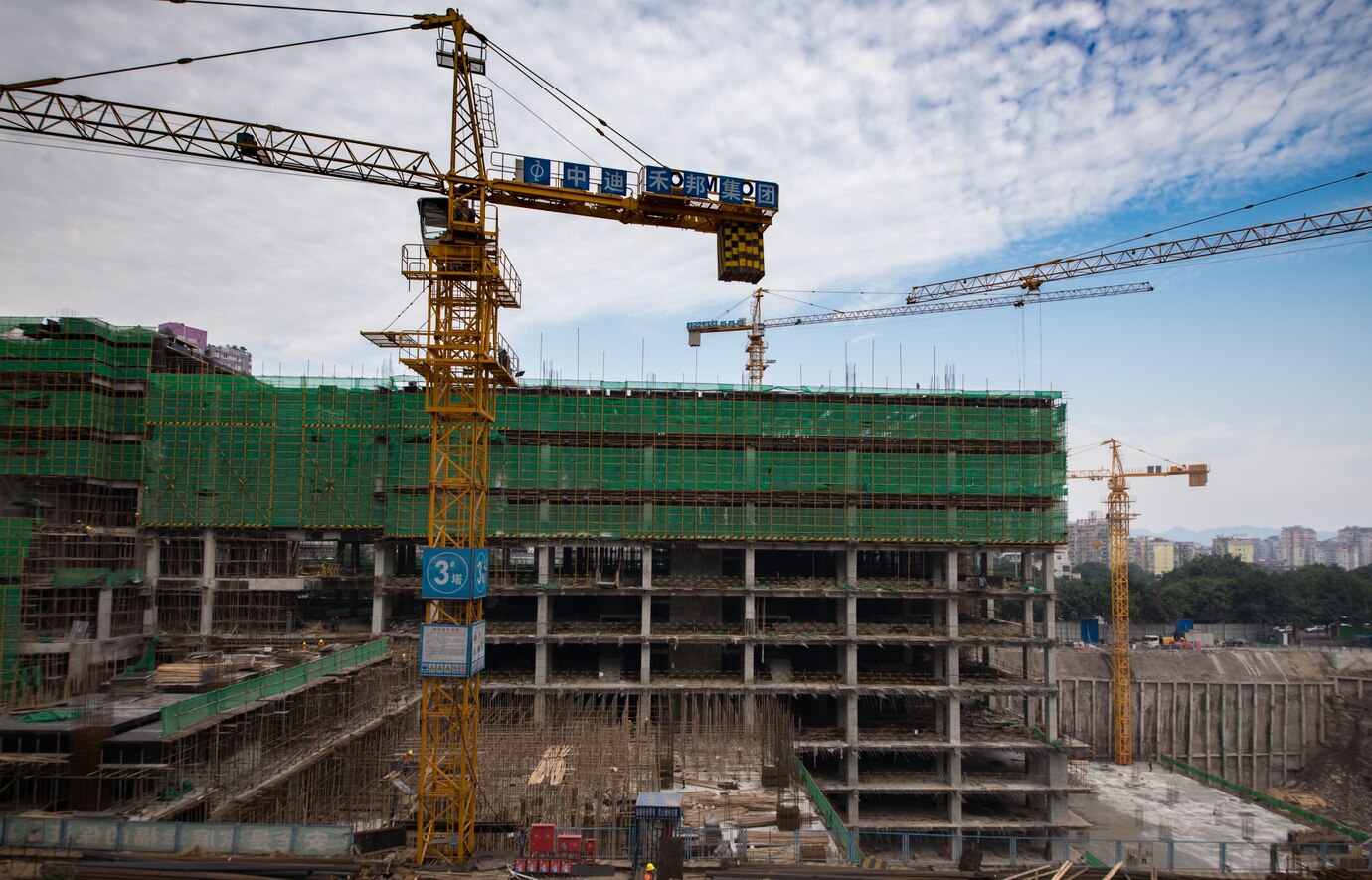
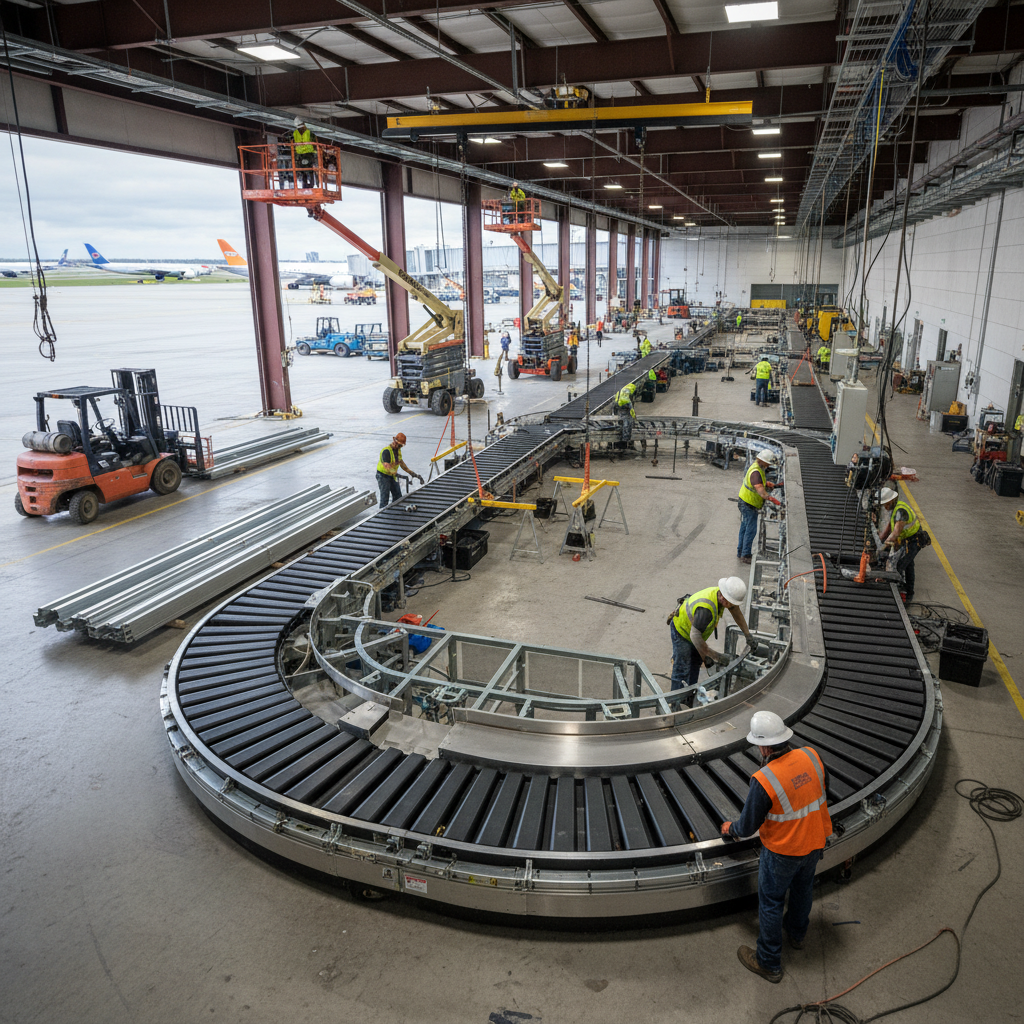
Structural steel isn’t unique to one type of build. Skilled structural professionals are regularly deployed across:
Each environment has its own demands. A structural professional experienced in plant shutdowns brings a different skill set than one who has spent years on commercial high-rises. Matching that experience to your specific project is where a good staffing partner earns its value.
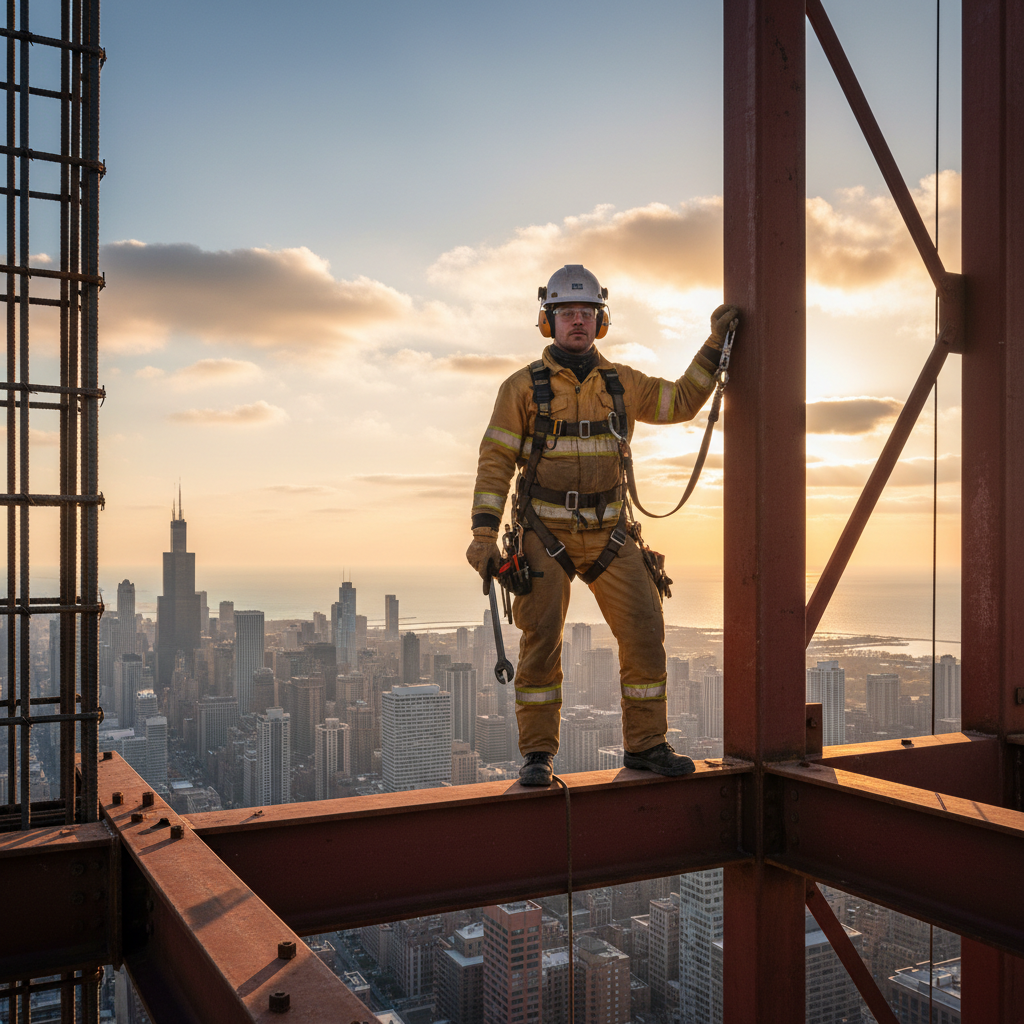
Ironwork consistently ranks among the more hazardous trades; working at elevation, handling heavy steel components, and coordinating with crane operators requires disciplined safety habits. Qualified iron workers are trained in fall protection, load-securing procedures, and site communication protocols.
When you hire through Millwrights4Hire, we confirm that every worker placed is current on required safety certifications and OSHA compliance training. This matters not just for the safety of your crew but also for your project’s liability exposure and your ability to pass site inspections without interruption.
Finding experienced structural professionals on short notice for a specific project scope without taking on permanent payroll is a real operational challenge. Staffing solves it. Millwrights4Hire has built its reputation in the skilled trades space by placing the right workers in the right roles consistently.
If you have a structural steel phase coming up and need reliable crew support, reach out to discuss your project requirements.
Ironworkers are responsible for erecting and connecting the structural steel framework of buildings, bridges, and industrial facilities. Their day-to-day tasks include reading blueprints, rigging and positioning steel beams, bolting or welding connections, and installing rebar for reinforced concrete. On larger job sites, they also coordinate with crane operators and other trades to keep the structural phase moving safely and on schedule.
Most placements through Millwrights4Hire are completed within three to five business days for standard projects. Timelines can vary based on project location, required certifications, and crew size. For urgent needs, contact us directly to discuss options for expedited placement.
At a minimum, iron workers should carry current OSHA 10 or OSHA 30 certification. Depending on the scope of work, additional credentials may be required — including rigging certification, ironworker apprenticeship completion cards, welding qualifications such as AWS D1.1, or fall protection training. All workers placed through Millwrights4Hire are vetted for the certifications relevant to your specific project.
The terms are often used interchangeably in the field. Formally, the Iron Workers union covers structural and ornamental ironworkers, which includes structural steel erection, reinforcing iron and rebar installation, and ornamental metalwork. Millwrights4Hire places professionals across all these disciplines.


















Reach out for staffing solutions or inquiries. We are here to assist you with your needs across various industries.