That scenario plays out more often than most project managers want to admit. And the honest truth is that it rarely happens because of bad luck. It happens because workforce planning in industrial trades is genuinely hard, and most organizations are not set up to handle the unpredictability that comes with it.
There is a better way to approach it, and it starts with understanding what professional staffing can actually do for a project when it is done right. Over the last several years, more plant managers, turnaround coordinators, and construction leads have made the shift toward working with specialized staffing partners rather than fighting the same uphill battle every cycle. The results speak for themselves in tighter schedules, fewer compliance headaches, and workforces that actually show up ready to produce from day one.
This post walks through the concrete, practical reasons why that shift makes sense, what to look for when you are evaluating your options, and why the investment in professional sourcing pays back quickly when you run the real numbers.
There is a version of staffing that most experienced site managers have encountered and do not love. It involves sending out bodies with credentials that look fine on paper, watching them struggle through a basic qualification weld, and burning two days trying to get replacements while the foreman fumes. That experience is real, and it is worth naming directly.
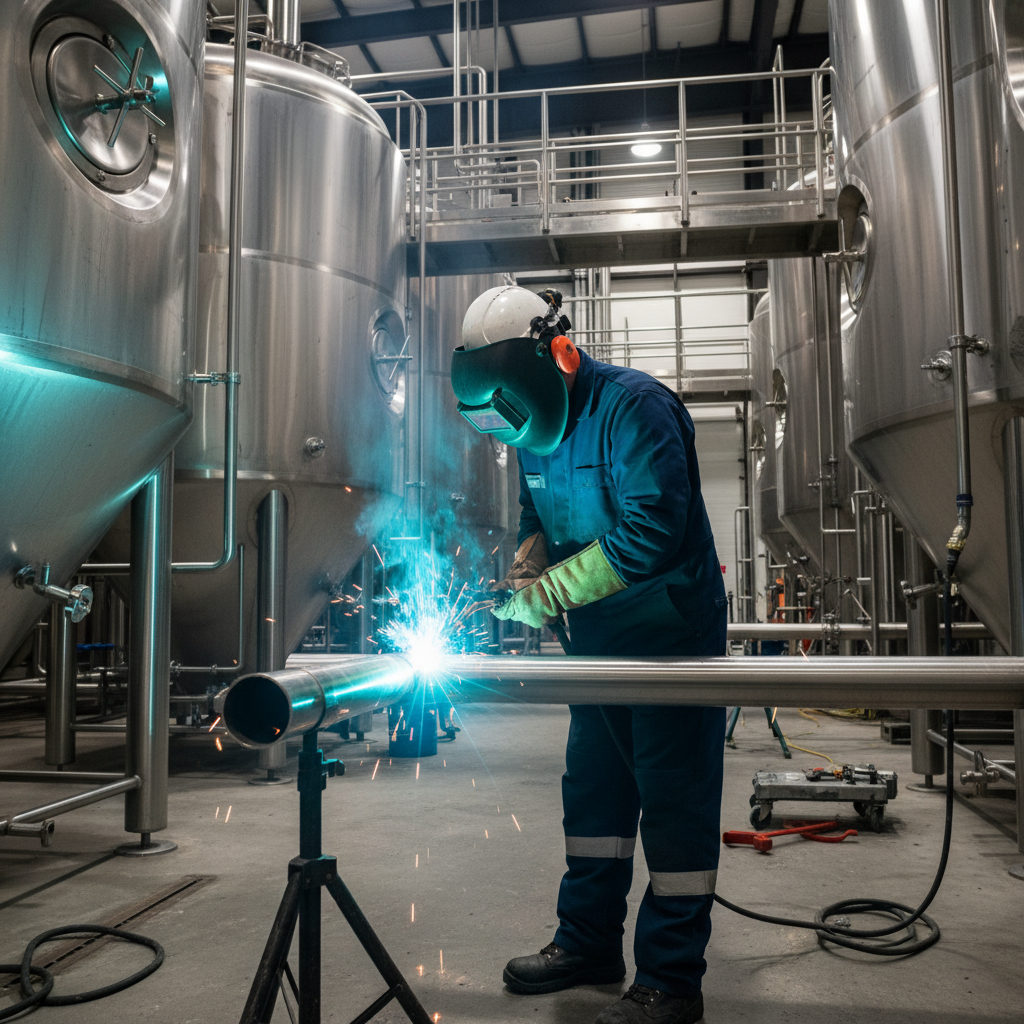
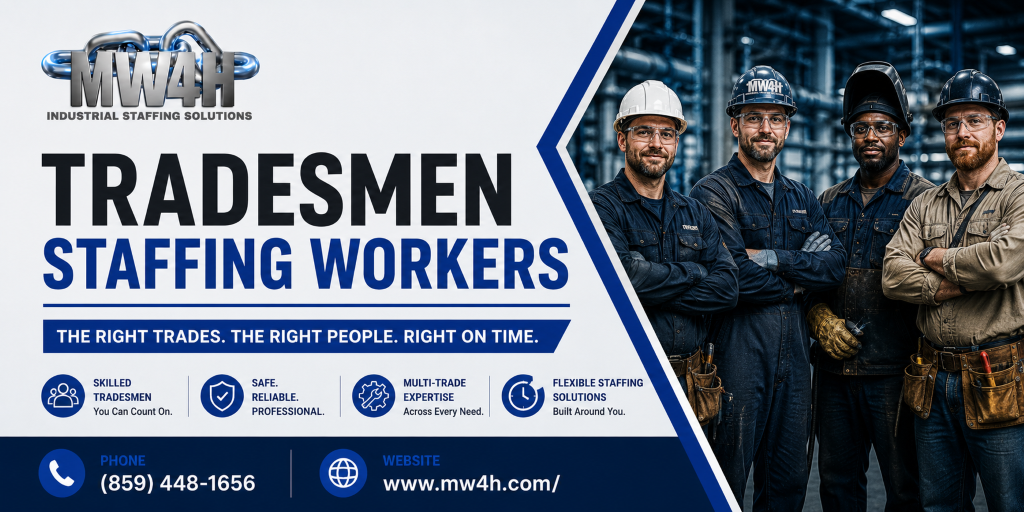
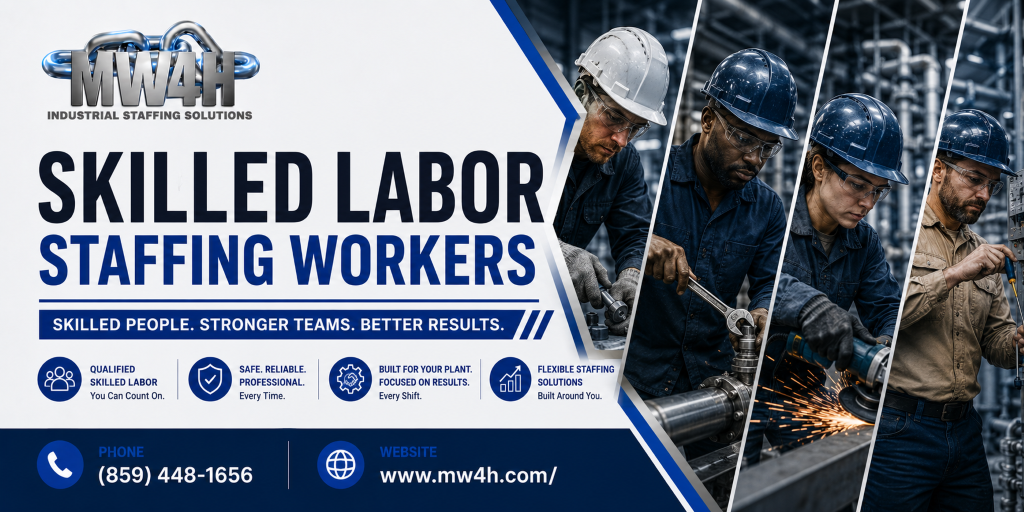
But it is not what happens when you work with a partner that specializes in industrial trades with real depth. The difference between generic temp labor and genuinely vetted Pipe Welder Staffing workers is substantial, and it shows up fast once work begins.
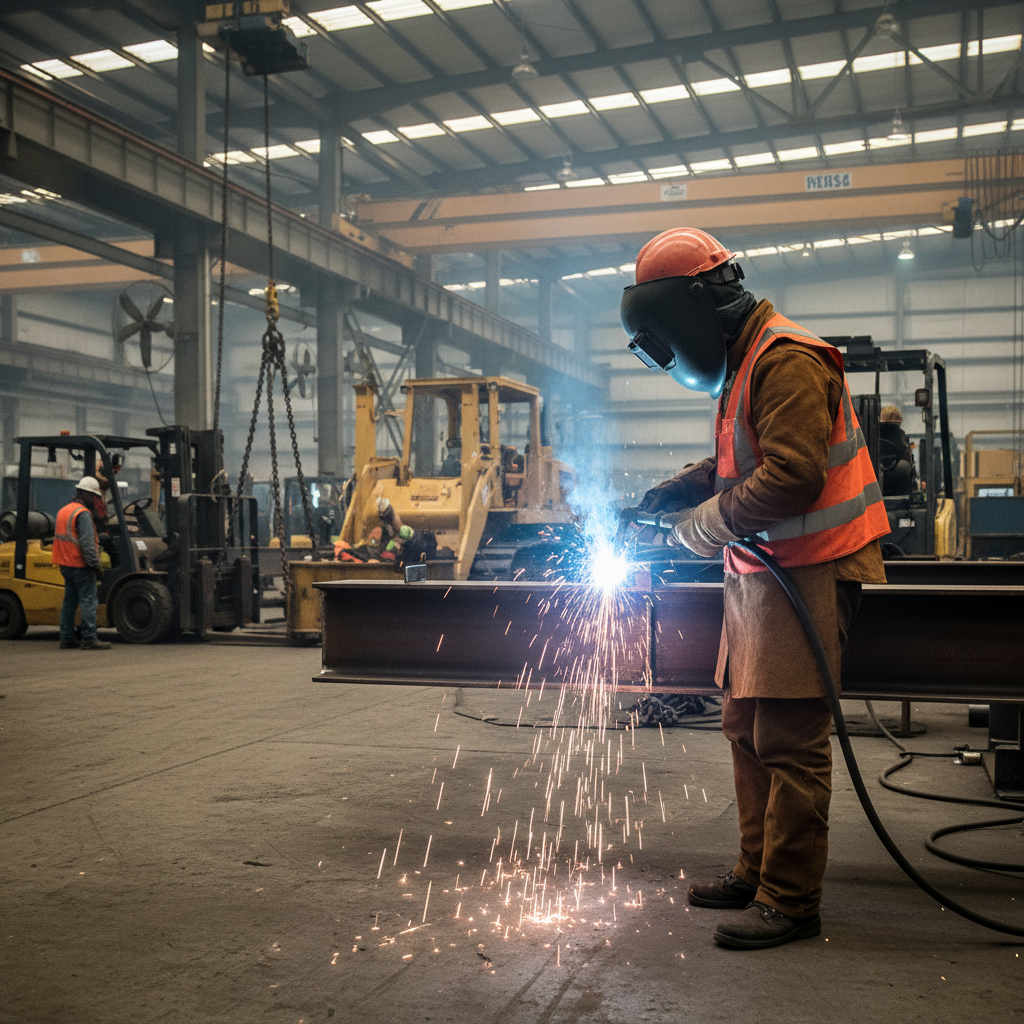
Every industrial weld has a procedure behind it. Whether it is an ASME B31.3 process piping system or a structural application governed by AWS D1.1, the welder assigned to that work needs to be qualified under the right code with current documentation to prove it. When an inspector or a client QA rep asks for a welder's qualification record, that is not a moment where you want to be scrambling.
Professional staffing partners like Millwrights4Hire maintain active records on every worker in their network. Before anyone is placed on a project, those certifications are reviewed against the specific scope of work. If a job calls for certified welders on chrome-moly alloy pipe or requires GTAW proficiency on stainless process lines, only workers who can demonstrate that qualification make the shortlist. The vetting happens before the deployment, not after problems surface on-site.
This is not just about avoiding embarrassment. Failed welds, unauthorized procedures, and unqualified personnel are grounds for rejected work, regulatory action, and in some environments, facility shutdowns. The administrative integrity that a quality staffing partner brings is a genuine risk management tool, not a nice-to-have.
Industrial project schedules are not forgiving. A refinery turnaround that slips by four days does not just cost labor hours. It costs lost production, delayed restart revenue, and sometimes contractual penalties that dwarf the cost of the original workforce gap. The value of being able to close a staffing need quickly cannot be overstated in that context.
Because staffing agencies that specialize in trades maintain active pools of available workers who are already screened, the timeline from identifying a need to having qualified people on-site compresses dramatically. What might take an internal recruiting team six to eight weeks through traditional channels can often be resolved in days when you are working with the right partner. The workers in those pools are experienced in rapid deployment. They know how to hit the ground in a new environment, complete site-specific orientations efficiently, and integrate with existing crews without a long ramp period.
For project managers running tight windows, that speed is not a minor convenience. It is the difference between making the schedule and missing it.
One thing that does not get discussed enough in conversations about staffing is the administrative weight that comes with managing worker compliance. OSHA 10 and 30 certifications, current drug screen results, site safety orientation completions, workers' compensation coverage, liability insurance documentation, welder qualification test records, fit-for-duty medical clearances in some environments. All of that has to be tracked, verified, and kept current for every worker on-site.
When you bring Pipe Welder Staffing workers in through a professional agency, that infrastructure is already in place. A quality staffing partner maintains digital records on each worker, keeps certifications current, and can produce documentation quickly when a client or inspector requests it. That administrative burden shifts off your internal team and lands with people whose entire job is managing it correctly.
It also reduces your liability exposure in meaningful ways. If a worker's certification lapses or a safety credential is not current, that is the agency's gap to close, not yours. This is particularly valuable in regulated environments like chemical processing, power generation, and offshore operations where documentation failures carry serious consequences.
Millwrights4Hire has built its reputation in part on this kind of operational discipline. The workers they place arrive ready to work in compliant environments, and the paperwork behind them holds up when it is scrutinized. That reliability matters more than most clients realize until they have experienced what happens when it is absent.
Industrial projects do not have linear labor needs. A major turnaround might require 20 qualified pipe welders during peak execution, then taper to six during the systems close-out phase, then spike again briefly during final testing support. Trying to manage that kind of variability through direct employment creates real problems. You either carry too many people during the slow phases, driving up cost, or you are short during the busy ones, driving up risk.
Professional staffing is built precisely for this kind of variable demand. The engagement model allows you to scale up when the work requires it and reduce the workforce when it does not, without the legal and administrative complexity of managing layoffs, severance, or unemployment claims. You pay for what the project needs, when it needs it, and you stop when the work is done.
This flexibility is one of the most underappreciated financial advantages of working with a staffing partner, and it compounds over multiple projects. Once you have established a relationship with an agency that knows your standards, your safety culture, and the specific demands of your facility, each subsequent project becomes easier to staff than the last. The agency builds institutional knowledge about your operation that helps them match workers to your environment more precisely over time.
There is a common objection to professional staffing that goes something like this: the bill rate is higher than what we pay our direct workforce, so it must be more expensive overall. It is an understandable reaction, but it rests on an incomplete comparison.
When you hire direct, the visible cost is the wage rate. The invisible costs are everything else: recruiting advertising, screening time, background checks, onboarding administration, benefits enrollment, workers' comp premiums, payroll tax employer contributions, and the productivity loss that comes when a hire does not work out and the search starts over. When you add those up honestly, the true fully loaded cost of a direct hire is substantially higher than the wage line alone suggests.
With professional Pipe Welder Staffing workers, most of that overhead is absorbed by the agency. The bill rate is higher per hour, but the total cost of getting qualified, productive people on-site and keeping them compliant and documented is often comparable or lower once you account for the full picture. And because these workers are pre-screened and experienced, their productivity from day one is typically higher than a new direct hire who is still learning the environment.
For project-based work where speed and reliability matter more than long-term headcount management, the financial case for professional staffing holds up clearly when you run the actual numbers rather than the surface comparison.
The most skilled pipe welders in industrial trades are often not sitting on job boards waiting for a posting to catch their eye. Many of the best professionals in this field work through agency relationships they have maintained for years. They prefer it because it gives them consistent work across varied and interesting projects, without the uncertainty of finding their next assignment through cold applications and interviews.
This means that when you limit your search to traditional recruiting channels, you are largely competing for the portion of the talent pool that is actively job-seeking. The portion that is already engaged and working through established agency relationships is largely invisible to you. Staffing partners with deep roots in industrial trades, like Millwrights4Hire, have spent years building those worker relationships. They know who has the right temperament for high-pressure turnaround work. They know who has the specific process knowledge for a particular industry segment. And they can match that knowledge to your project needs in ways that a resume review simply cannot.
Everything you need to know about Pipe Welder Staffing workers.





























Reach out for staffing solutions or inquiries. We are here to assist you with your needs across various industries.