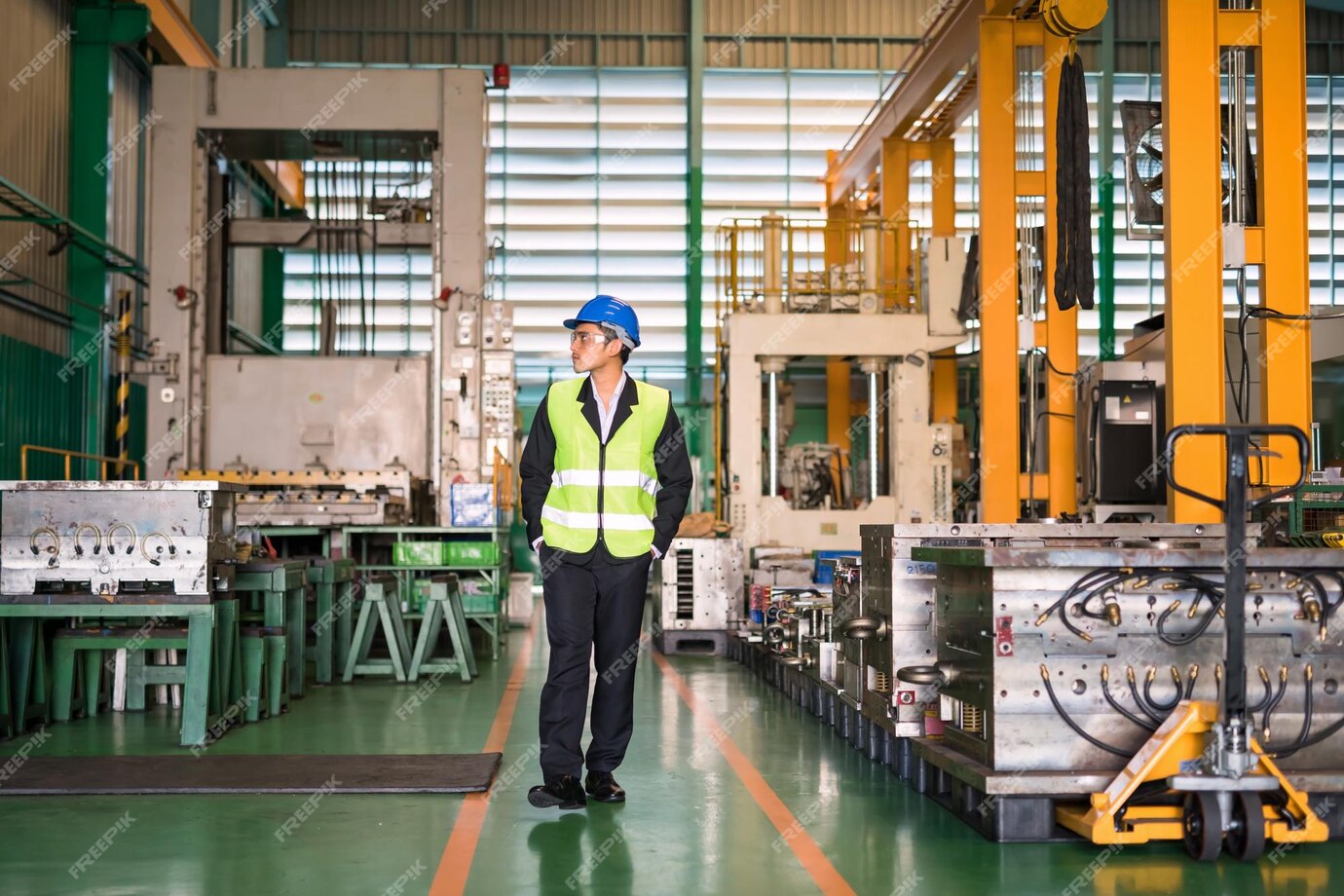
Walk onto the floor of any modern furniture manufacturing plant and you'll notice something: the machinery never stops for long. Conveyor systems, CNC routers, spray-finishing lines, and automated assembly cells all rely on wiring, motors, and structural steel that have to be installed, maintained, and repaired on tight deadlines. That's exactly why electrician staffing workers have become one of the most searched-for hiring solutions among American manufacturers in 2026.
Rather than waiting months to fill a permanent electrical role, furniture makers, cabinet shops, and upholstery plants are turning to specialized staffing partners who can place qualified tradespeople within days. This shift isn't a temporary trend; it's a structural change in how skilled labor gets sourced across the industrial and furniture manufacturing sectors.
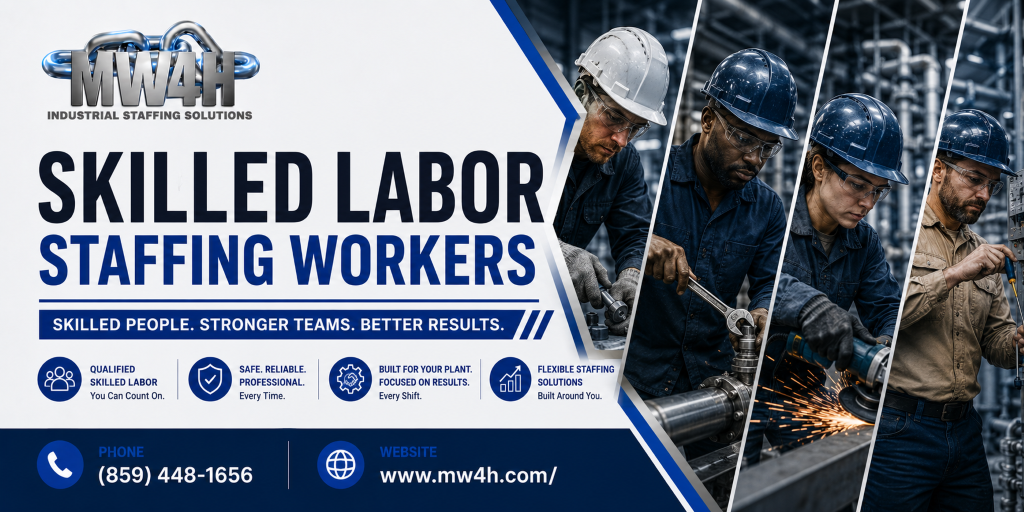
In this guide, we'll look at why electrician staffing workers, precision millwright staffing workers, industrial millwright staffing workers, and ironworker staffing workers are all in high demand right now, what they actually do on a furniture production floor, and how to choose a staffing partner you can trust.
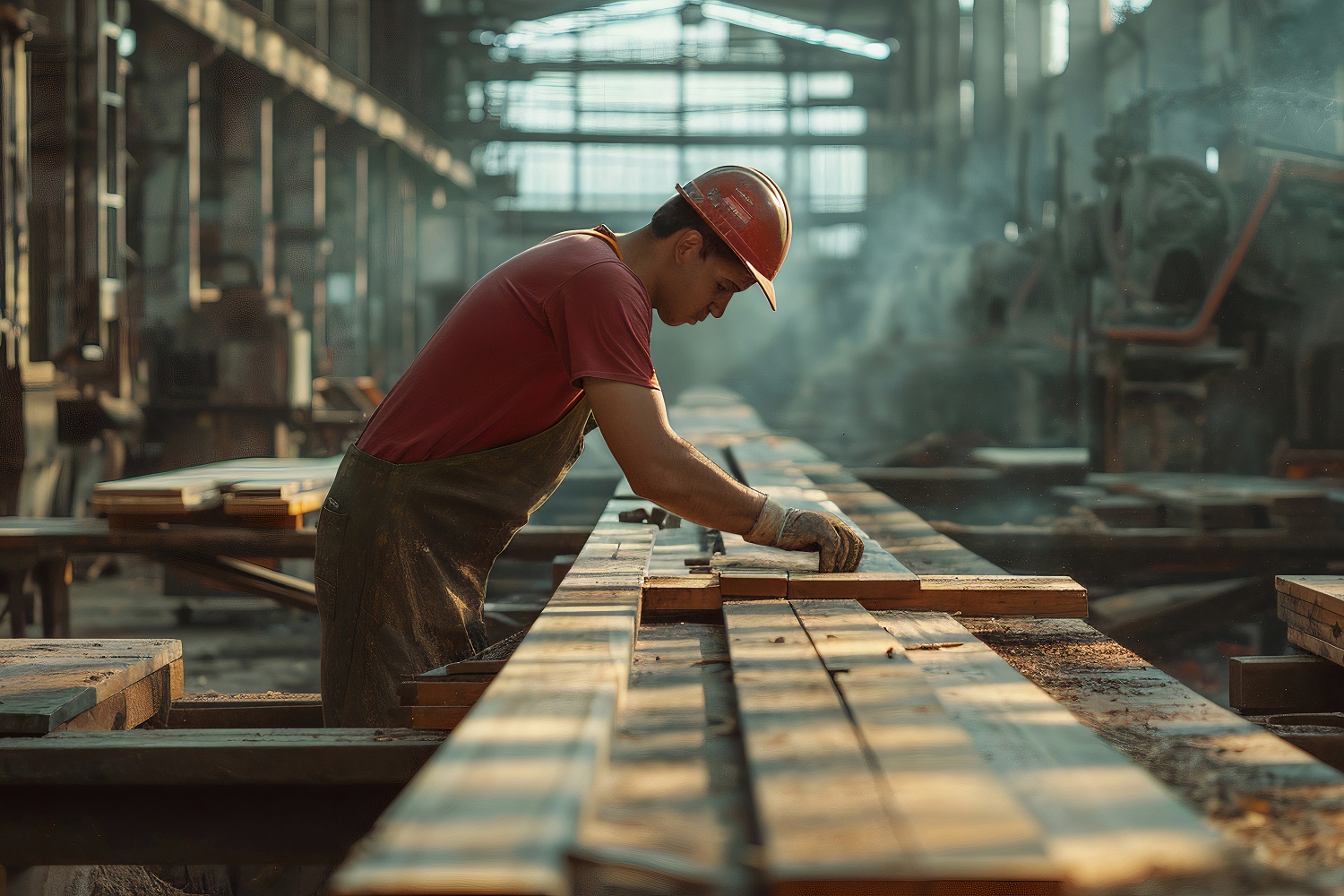
The furniture industry has been one of the more automation-laden aspects of American industry, and the industry has done a good job of keeping its head down. The electrical systems, which are essential to edge banders, dust collection systems, robots, finishing arms, and high-speed panel saws, require constant attention. Meanwhile, a number of old-fashioned tradesmen are also retiring, leaving a gap in the workforce.
According to workforce data widely reported across the skilled trades sector, thousands of electrician, millwright, and ironworker positions go unfilled every year simply because there aren't enough qualified candidates applying through traditional channels. Staffing partners solve this by maintaining a ready bench of vetted, trade-tested workers who can be deployed the moment a plant needs them.
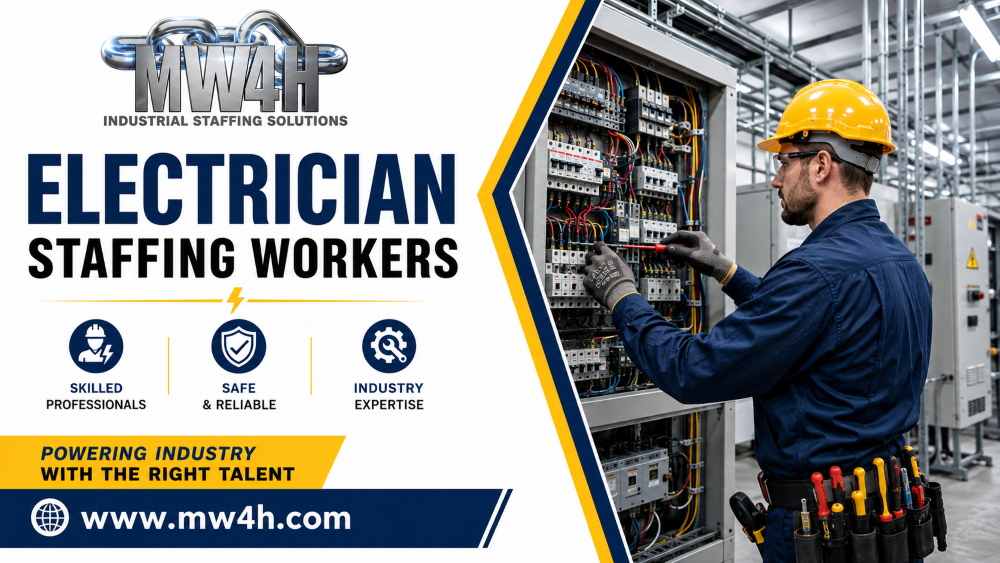
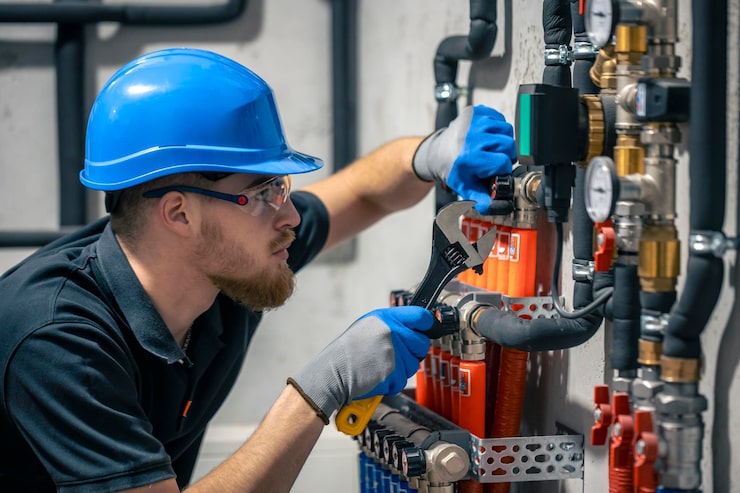
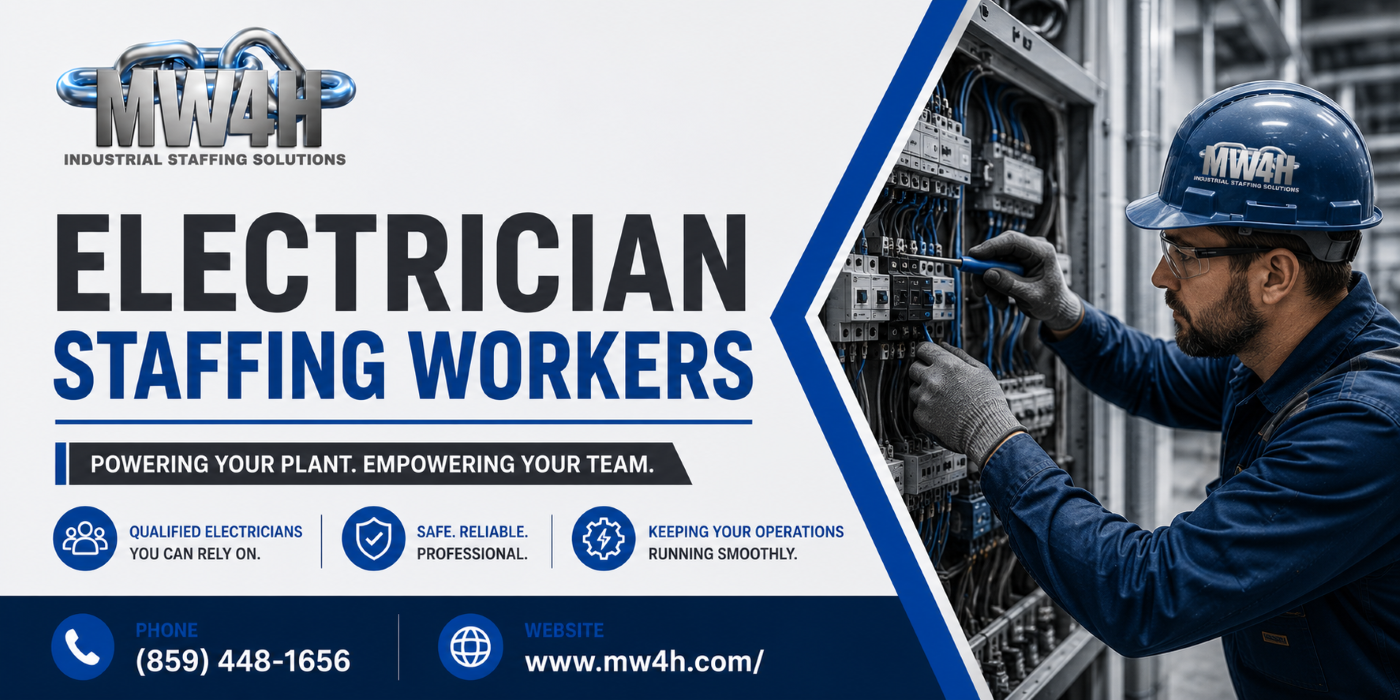
A furniture facility runs on more electrical infrastructure than most people realise from three phase power for heavy machinery to the low-voltage controls on modern CNC equipment. When a breaker trips on a Friday afternoon or a new production line needs commissioning before a seasonal order deadline, a delay of even a few days can mean missed shipments.
On a typical day, an electrician placed through a staffing partner might move between several very different tasks. Their work keeps the entire production chain from raw lumber intake to the final upholstered piece rolling off the line running safely and on schedule.
Because these workers are sourced through a staffing partner, plant managers can bring in exactly the level of experience a job requires from a journeyman for routine maintenance to a master electrician for a full line commissioning without carrying that cost on the permanent payroll year-round.
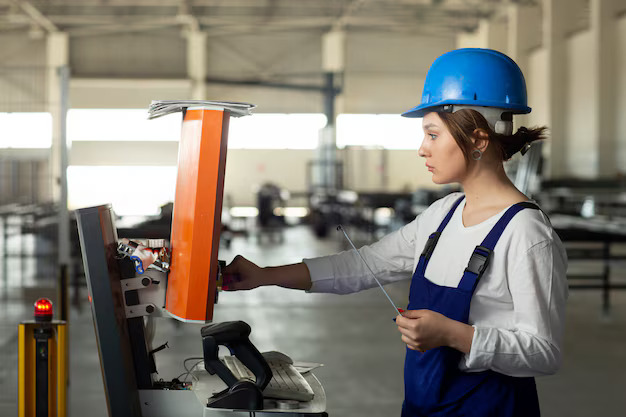
Electrical work is just one-half of the puzzle. Precision millwright staffing workers are also involved in the alignment, leveling, and calibration of furniture machinery with tolerances as small as microns. They install, align, and maintain the mechanical aspects of production equipment, ranging from panel saws to robotic finishing arms.
The precision millwright's job can directly impact product quality. The CNC router, if misaligned by just a fraction of a millimeter, can result in repeatable errors in the cuts for a whole batch of cabinet doors or table frames, which leads to rework, loss of material, and dissatisfied customers.
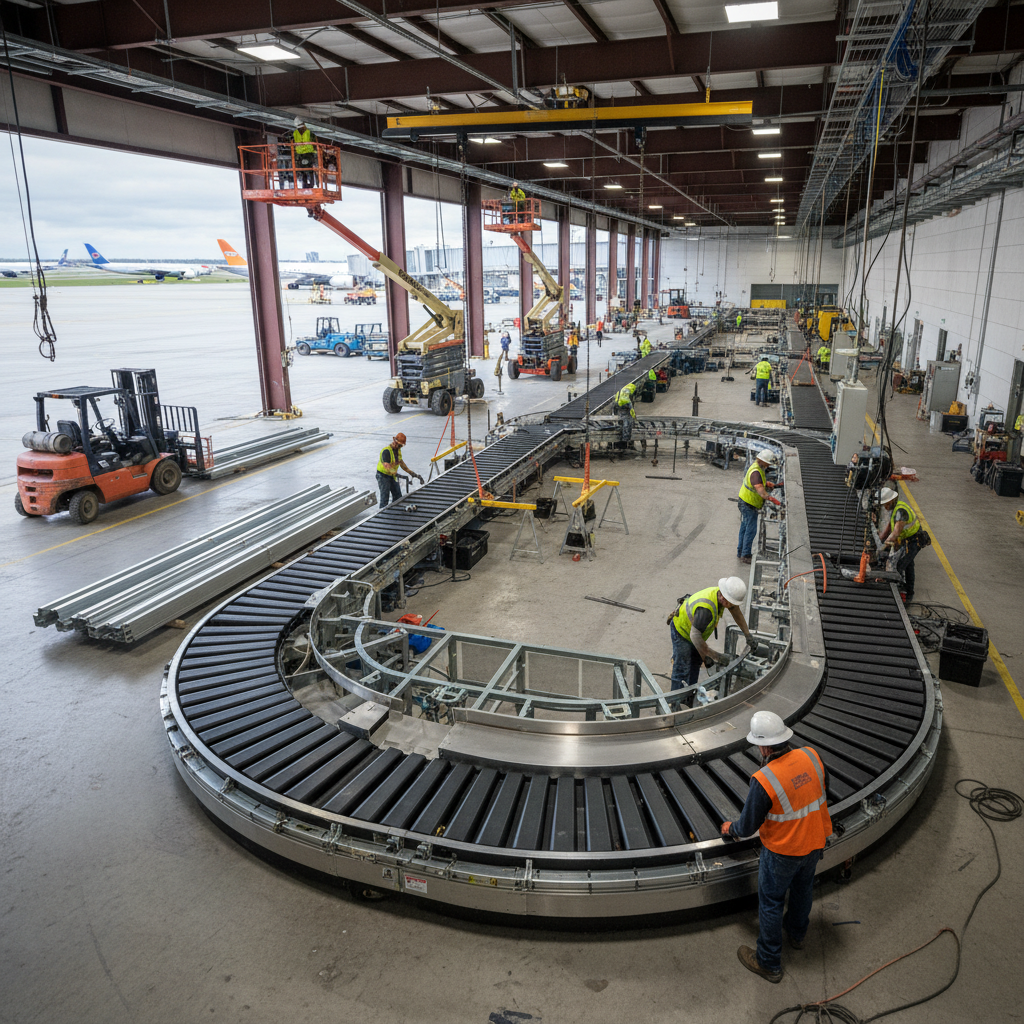
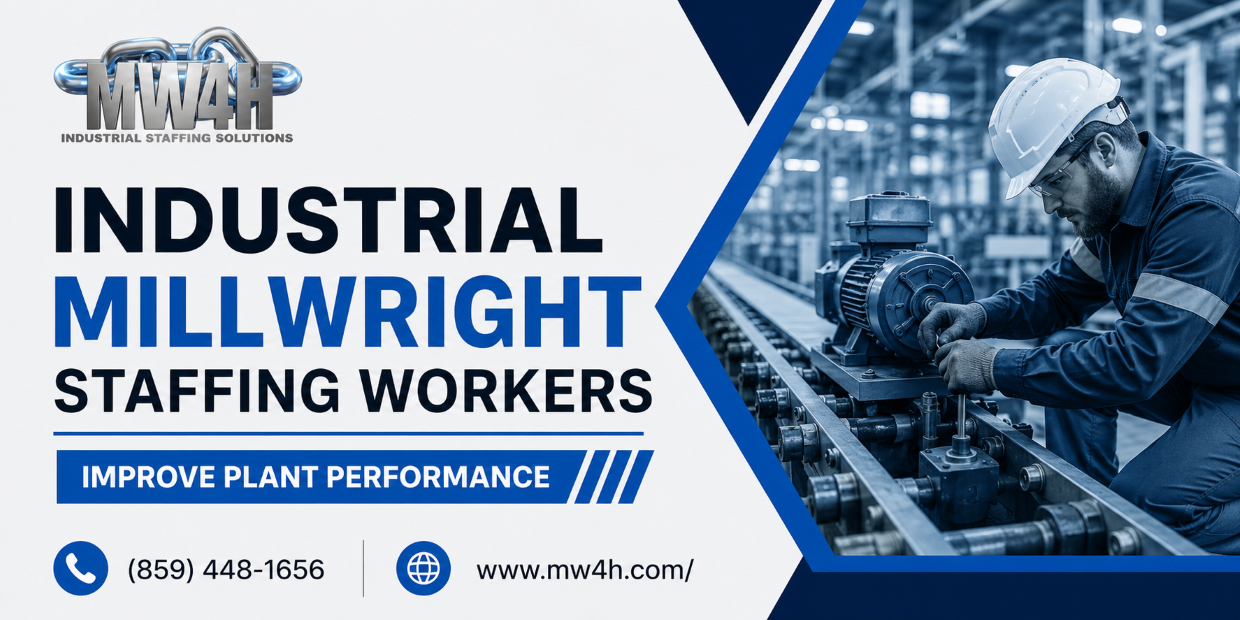
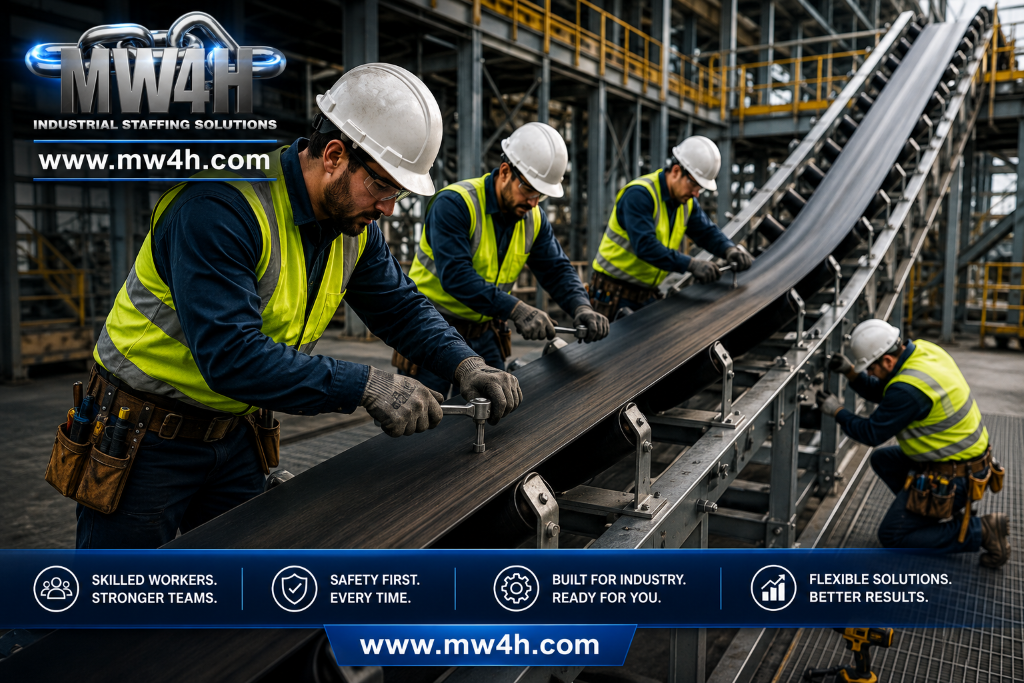
At a larger scale, industrial millwright staffing workers handle the heavy mechanical backbone of a plant's conveyor systems, hydraulic presses, dust-collection ductwork, and structural machine foundations. Bringing in industrial millwrights through a staffing agency means a plant can schedule major equipment overhauls, relocations, or expansions around production needs rather than around how quickly it can hire.
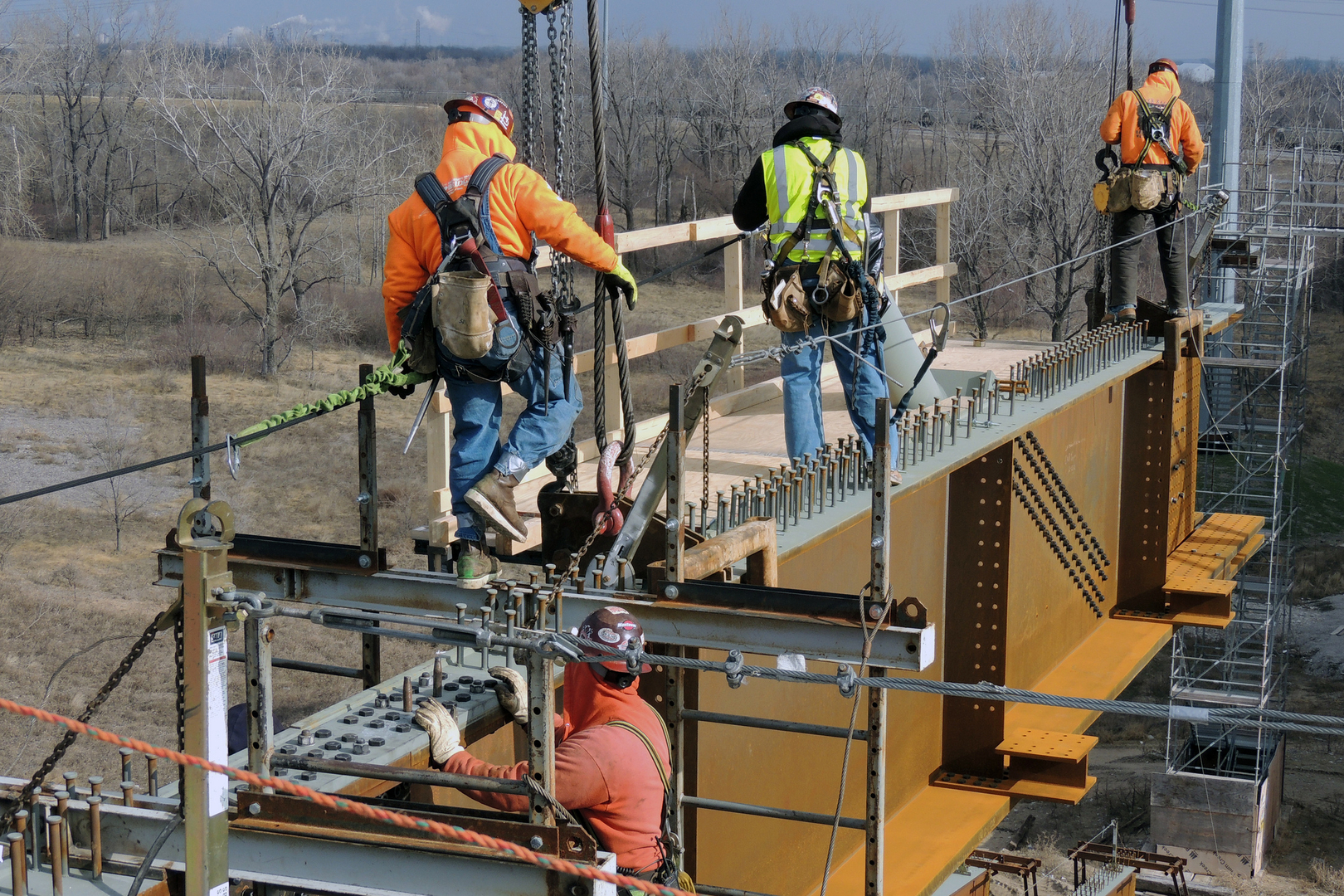
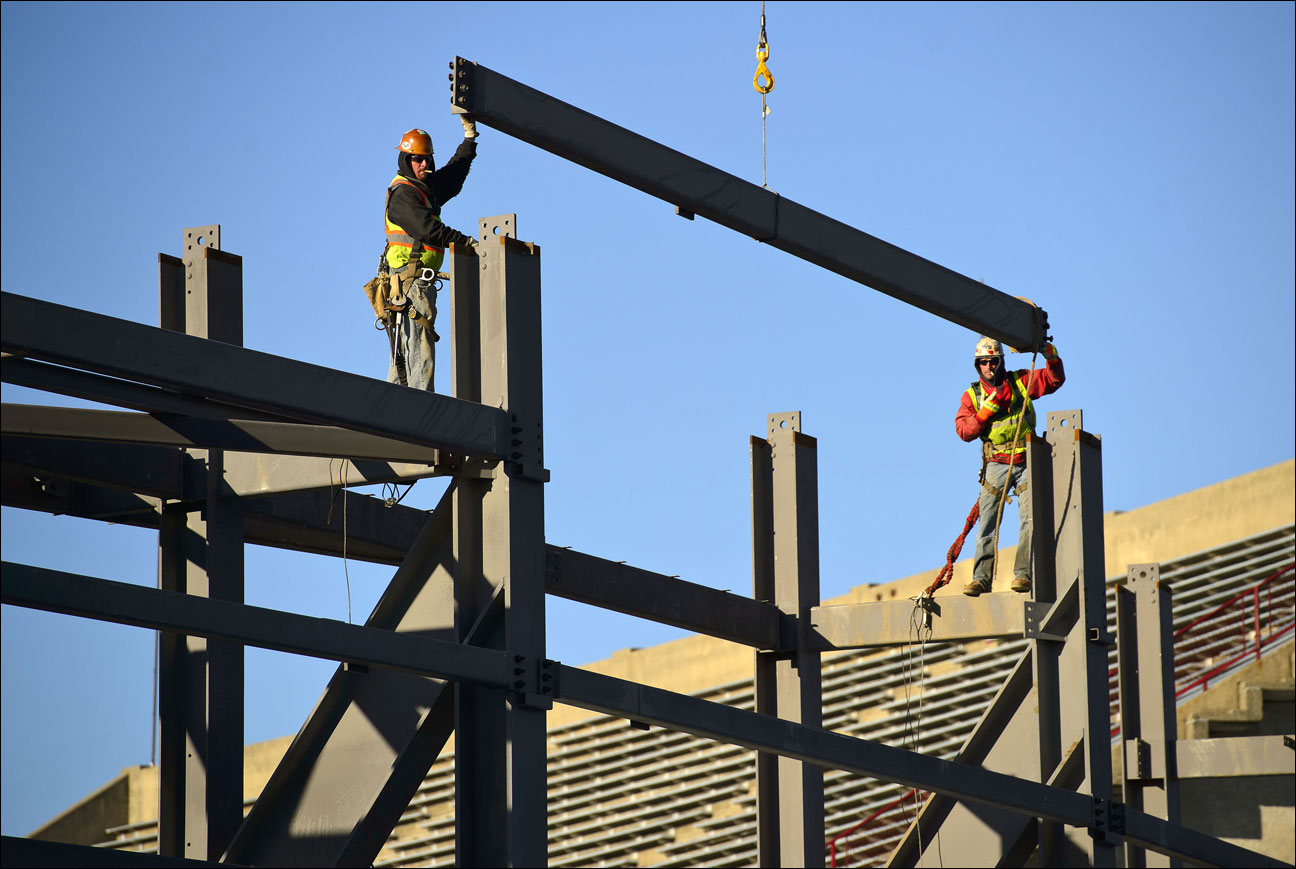
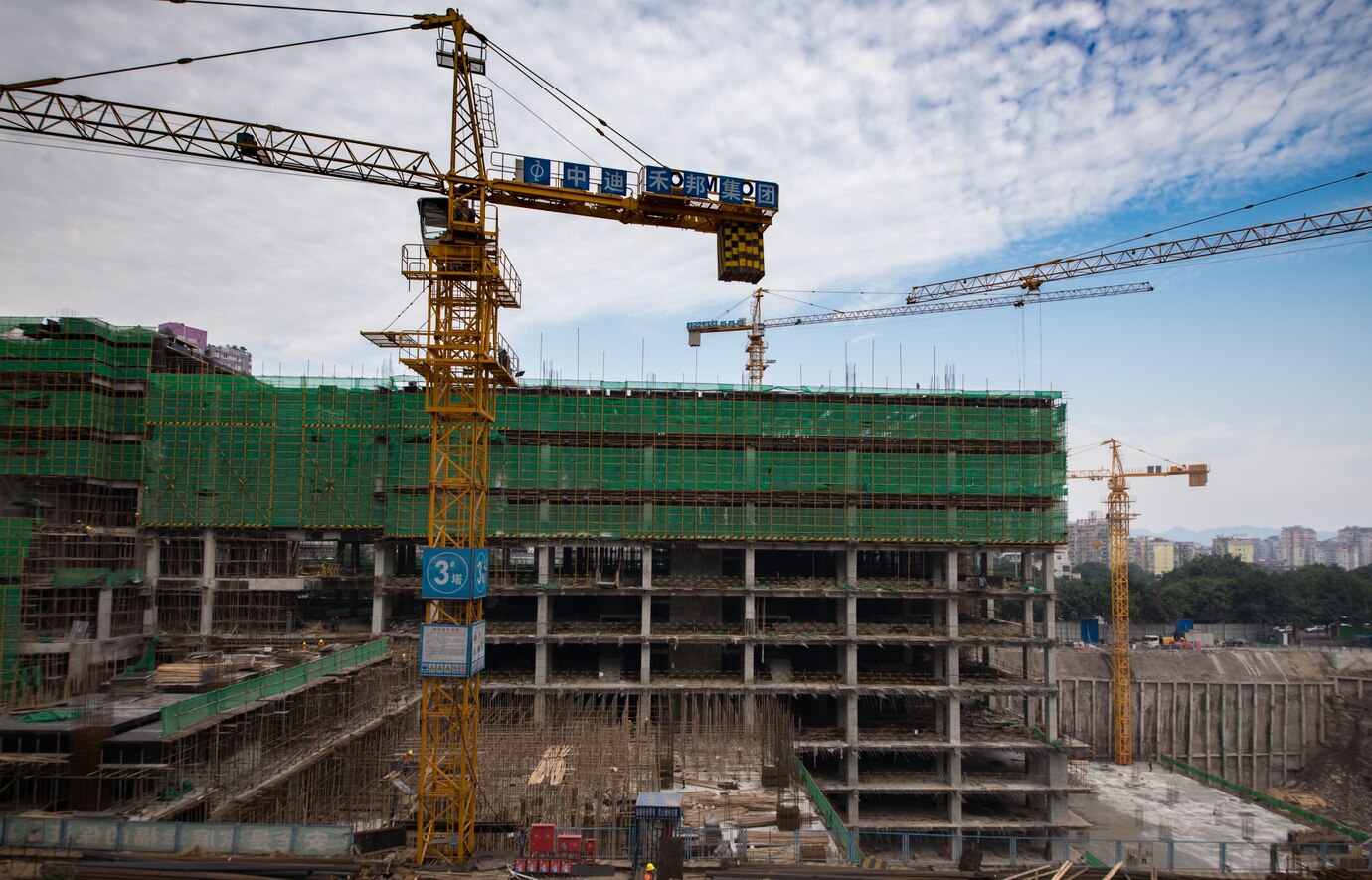
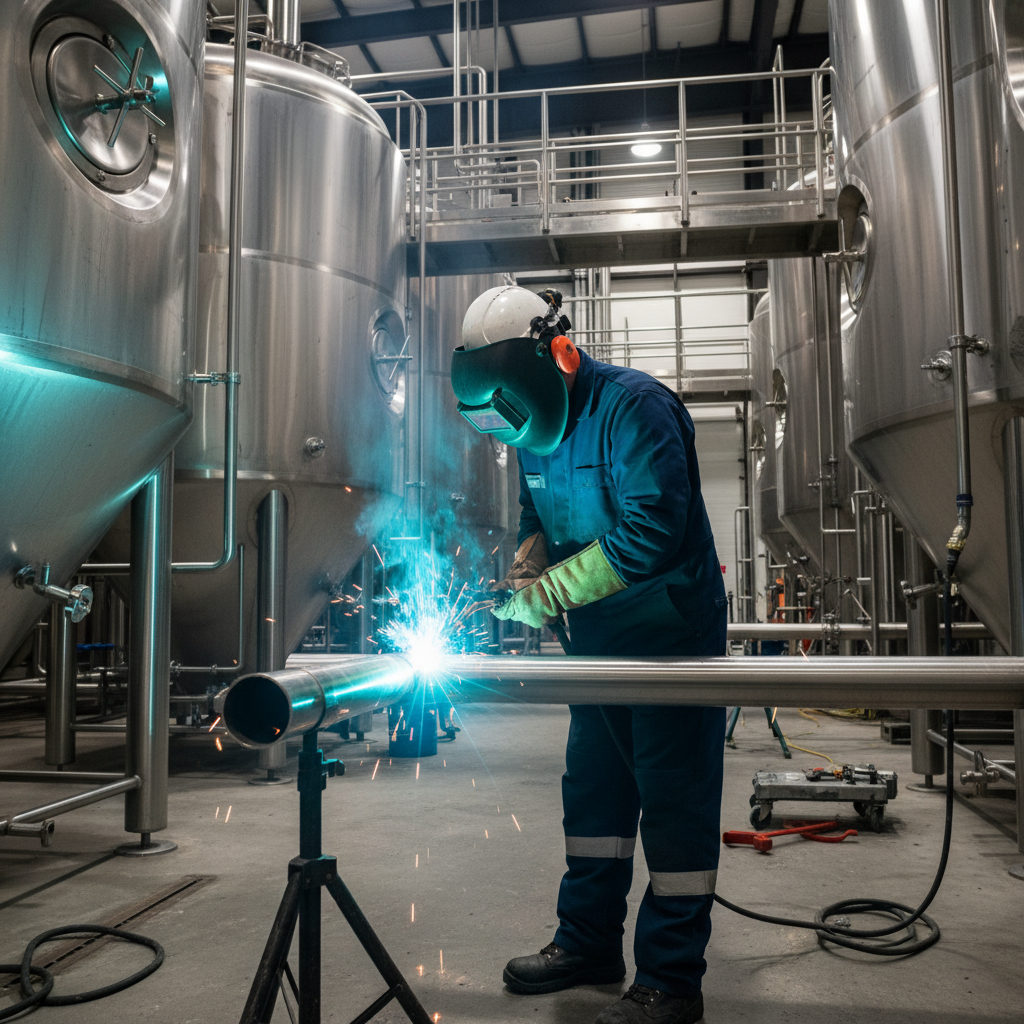
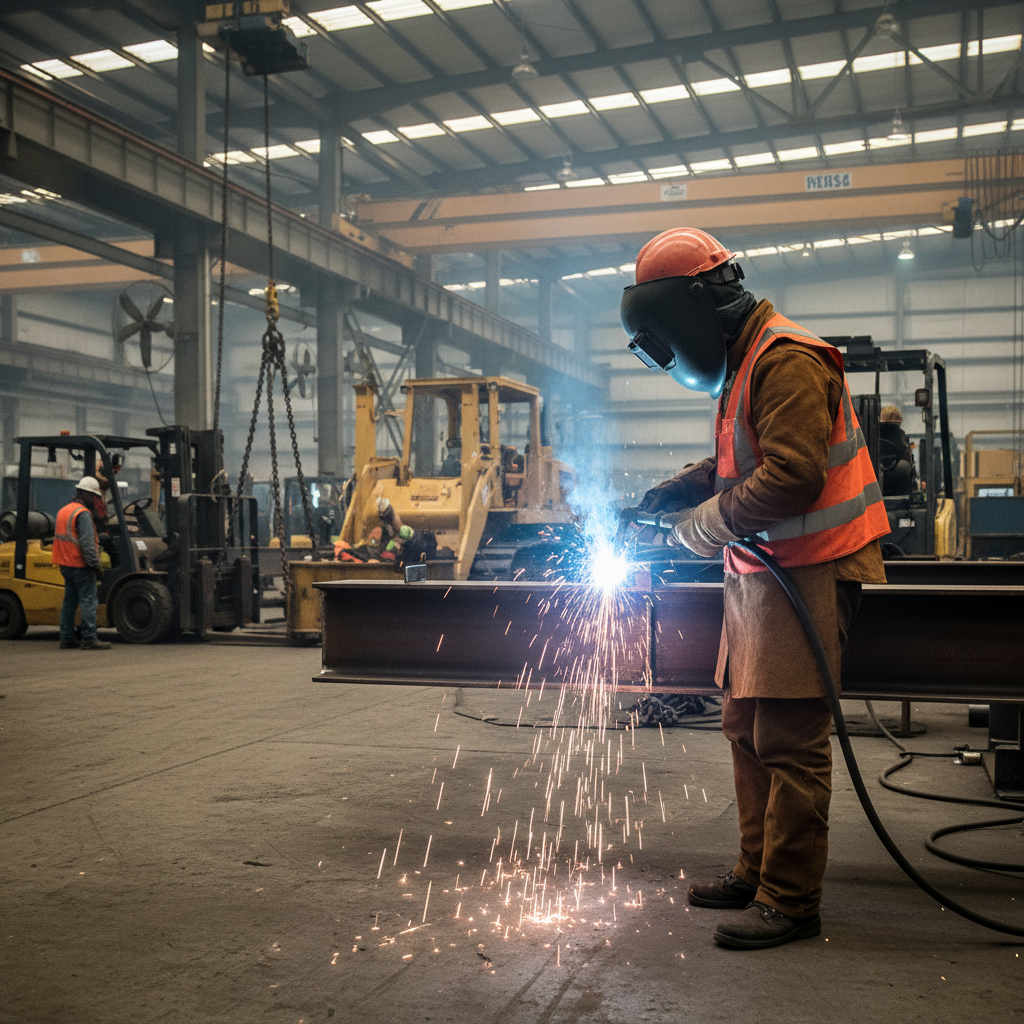
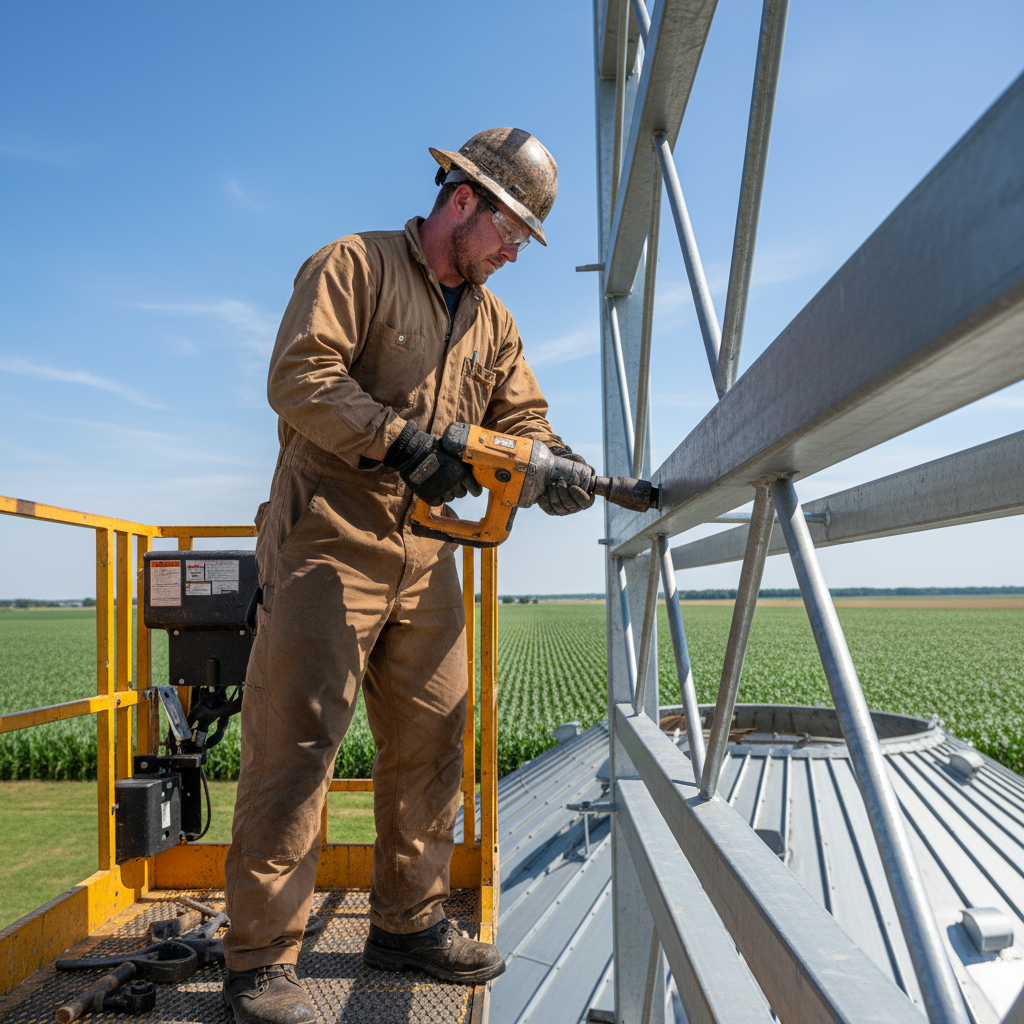
Furniture making businesses are constantly upgrading, remodelling or upgrading their facilities to accommodate new furniture machines or increased production. Ironworker staffing workers perform that work, which involves the installation of structural work steel framing, heavy machinery load-bearing supports, platform welding and installing mezzanines.
Because structural changes often have to happen without shutting down the rest of the plant, having access to a pool of experienced ironworker staffing workers through a trusted staffing partner means projects can be phased around production rather than forcing a full shutdown.
Direct hiring has been reduced and costly for all skilled trades. Skilled occupations like electricians, millwrights, and ironworkers often have open positions that stay open for months in a low-supply market. Staffing partners literally turn that order around by having a pool of pre-screened, credential-checked employees on standby to get going.
Not every staffing agency understands the specific demands of furniture manufacturing. When comparing providers, look for a partner who genuinely knows the difference between general labor staffing and skilled-trade placement.
A dependable partner will also be transparent about lead times and worker availability and will offer a straightforward path to skilled trade staffing solutions tailored to your production schedule, not a one size fits all roster.
A few broader trends are pushing furniture manufacturers toward flexible skilled-trade staffing in 2026:
When combined, all these elements will ensure that successful companies will be the ones that invest in building relationships with trustworthy staffing companies that can work smoothly with them to ensure continuity in production even in 2026.
Furniture production in 2026 is not just about the design and the quality materials; it relies on the skilled trades that ensure machinery is running, aligned and in good structural condition. The electrician, precision millwright, industrial millwright, and ironworker staffing occupations are vital to any plant that does not want to delay the installation of new equipment.
When your production floor is feeling the strain due to unfilled skilled-trade positions, you might want to consider electrician staffing solutions tailored to the manufacturing sector.

































Reach out for staffing solutions or inquiries. We are here to assist you with your needs across various industries.