That scenario is not hypothetical. It plays out regularly across manufacturing plants, logistics hubs, mining operations, and heavy industrial facilities throughout North America. The common thread is not equipment failure. Equipment breaks down. That is expected and manageable. The real problem is not having qualified specialists on hand when the moment demands it.
Conveyor systems and overhead crane operations are two of the most technically demanding areas in industrial environments. Both involve complex mechanical systems, significant safety responsibilities, and a level of operational knowledge that takes years of hands-on experience to develop properly. When facilities try to fill these roles with generalists or under-qualified temporary workers, the results are predictably poor: extended downtime, safety incidents, failed inspections, and projects that fall behind schedule.
Professional staffing solutions designed specifically for these disciplines exist because the need is real and growing. This post examines why skilled conveyor millwrights and qualified crane professionals have become so critical to modern industrial operations and why the companies managing these workforces most effectively are the ones partnering with experienced staffing specialists like Millwrights4Hire.
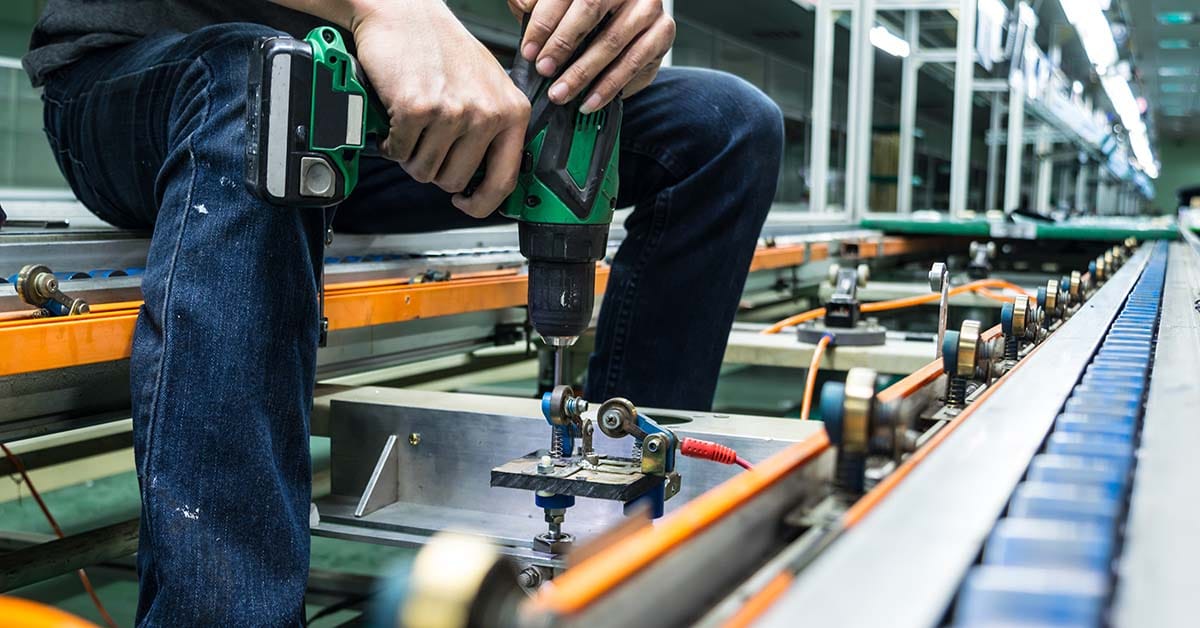
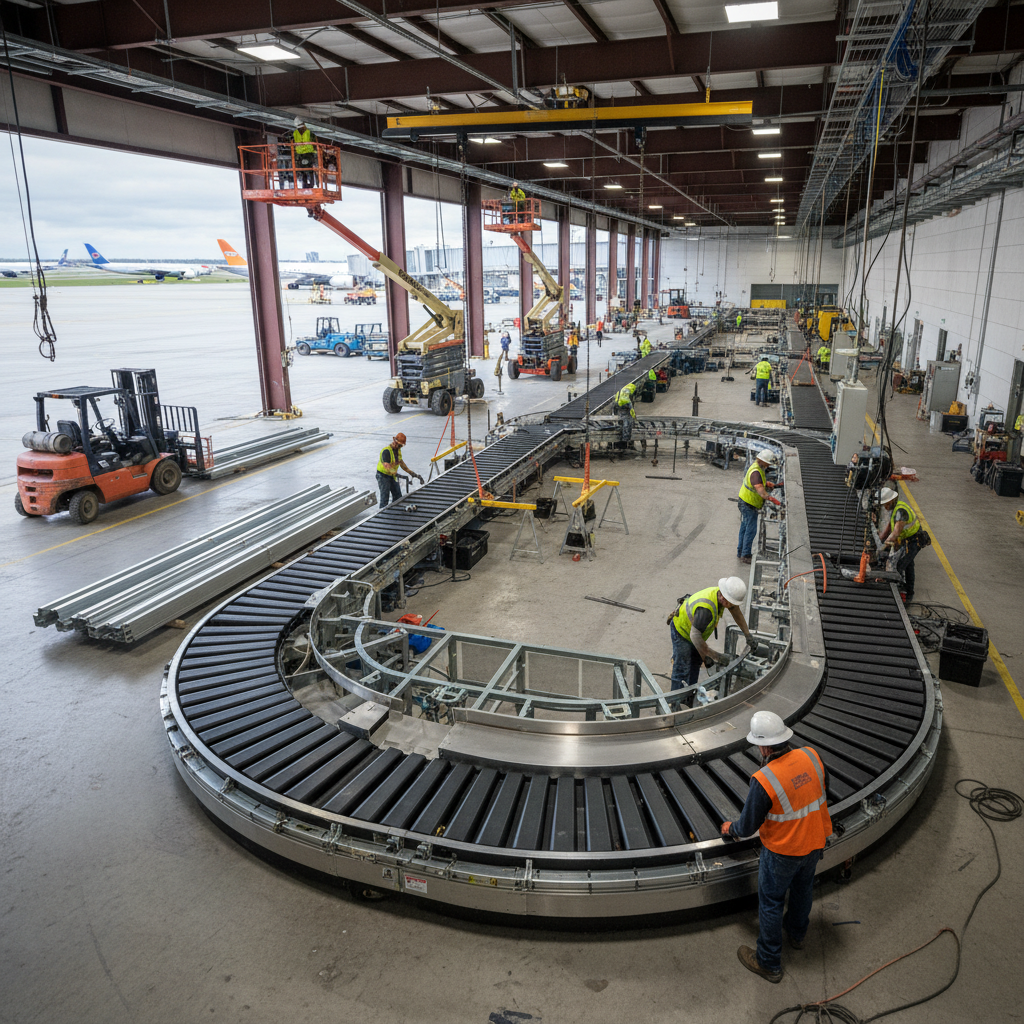
The conveyor systems running through today's industrial facilities are not the simple belt-and-roller setups of decades past. Modern conveyor infrastructure involves precision-engineered mechanical assemblies, variable frequency drives, sensor integration, pneumatic and hydraulic components, and sophisticated control systems that govern everything from belt tension to load distribution. Keeping these systems operating reliably requires a specific combination of mechanical knowledge, electrical awareness, and practical diagnostic skill.
Conveyor millwright staffing workers are the professionals who hold that combination. They install new conveyor lines from the ground up. They perform preventative maintenance that keeps systems running between scheduled service intervals. They diagnose faults quickly when something goes wrong, and they carry out repairs that restore full operation with as little downtime as possible. Their work touches every part of the conveyor system's mechanical life cycle.
What makes experienced conveyor millwrights especially valuable is their ability to read a system before it fails. Knowing what a worn bearing sounds like, recognizing the vibration signature of a misaligned drive shaft, or catching belt tracking issues before they cause a jam or a tear, these are not skills that show up in a certification document. They develop through years of working on real systems in real environments, and they are genuinely difficult to replace.
It is worth addressing a misconception that comes up frequently in conversations about industrial staffing. Some operations managers assume that a mechanically inclined worker with general industrial experience can be trained on conveyor systems within a reasonable timeframe. In practice, this assumption consistently leads to problems.
Conveyor systems vary significantly by manufacturer, application, and design generation. A worker familiar with one type of system may find themselves genuinely lost when working on a different configuration. The mechanical vocabulary transfers, but the specific knowledge of tensioning mechanisms, splicing techniques, drive alignment tolerances, and control logic does not. Getting someone to a level of reliable competence takes far longer than most project timelines can absorb.
This is why Millwrights4Hire focuses on placing workers with documented, verifiable experience on the specific types of systems a client is running. The right person is productive from day one. The alternative costs time and money that most facilities simply cannot afford to spend.
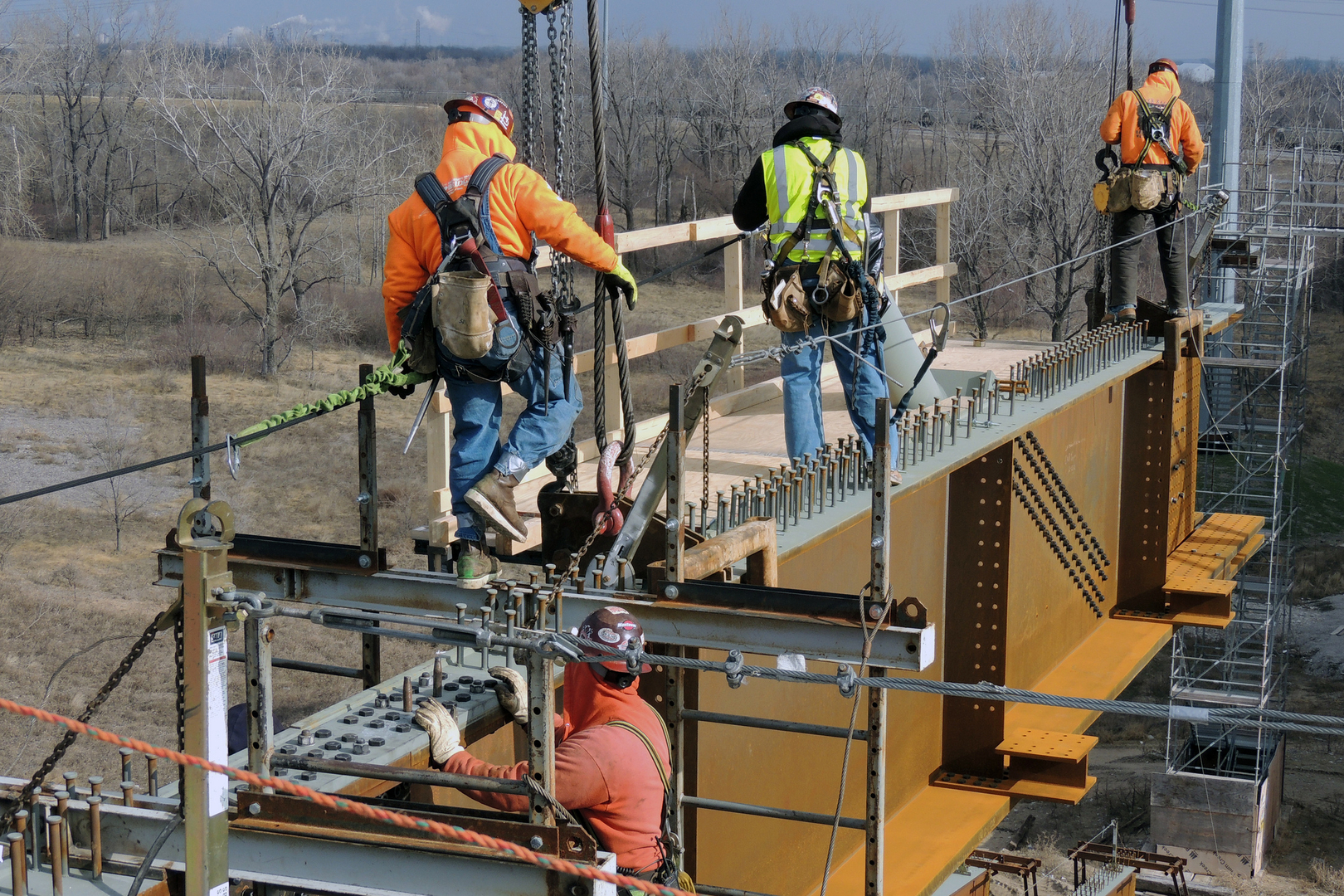
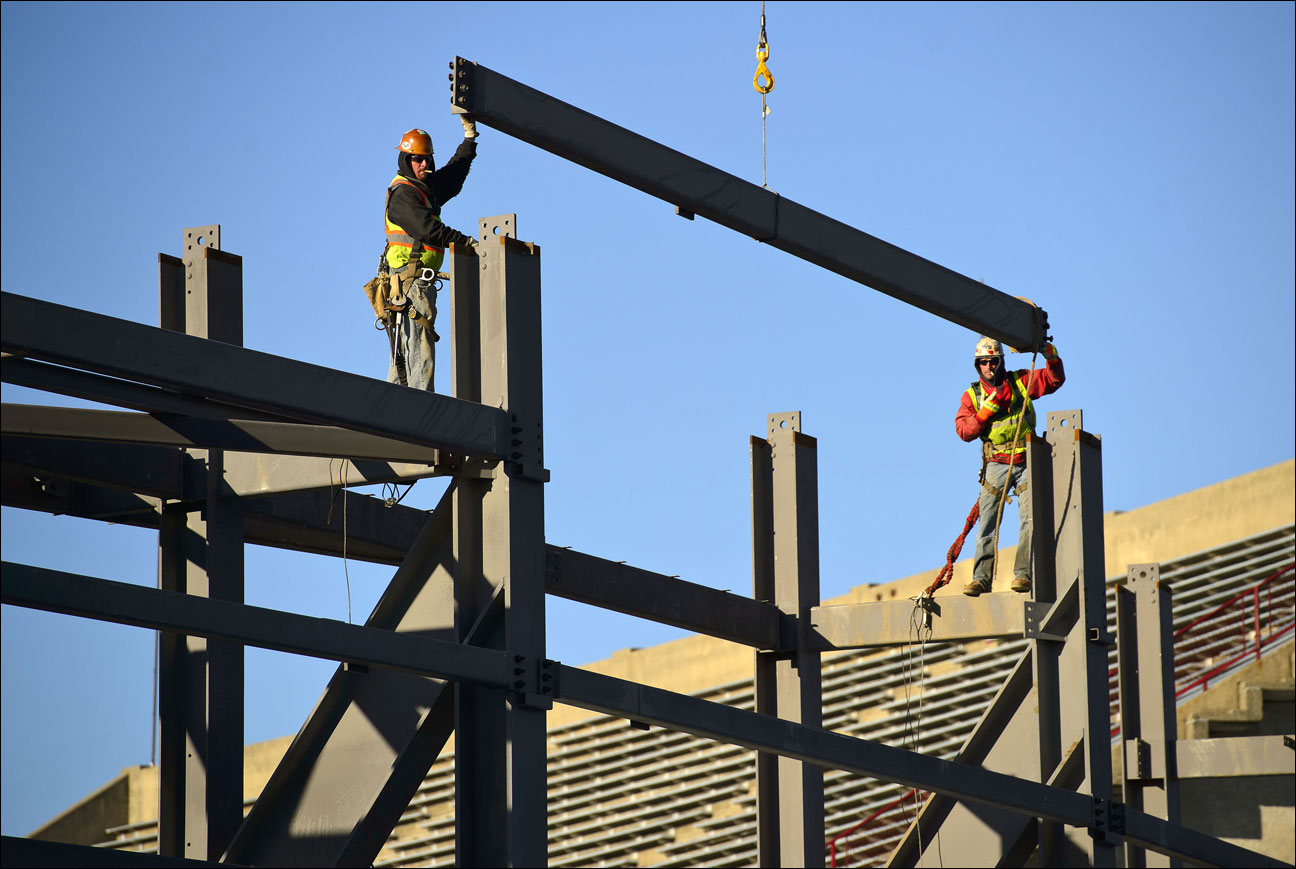
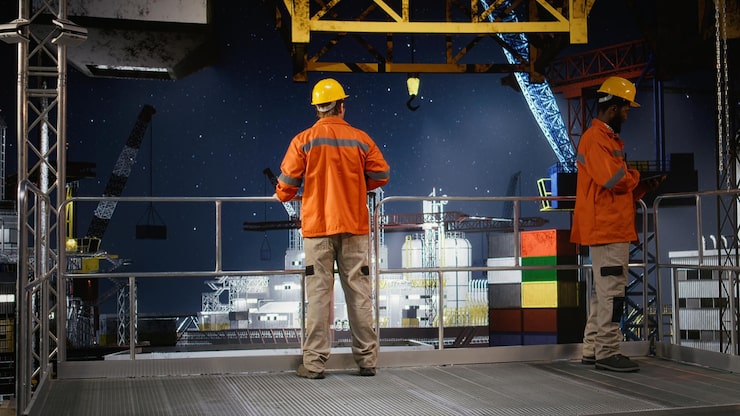
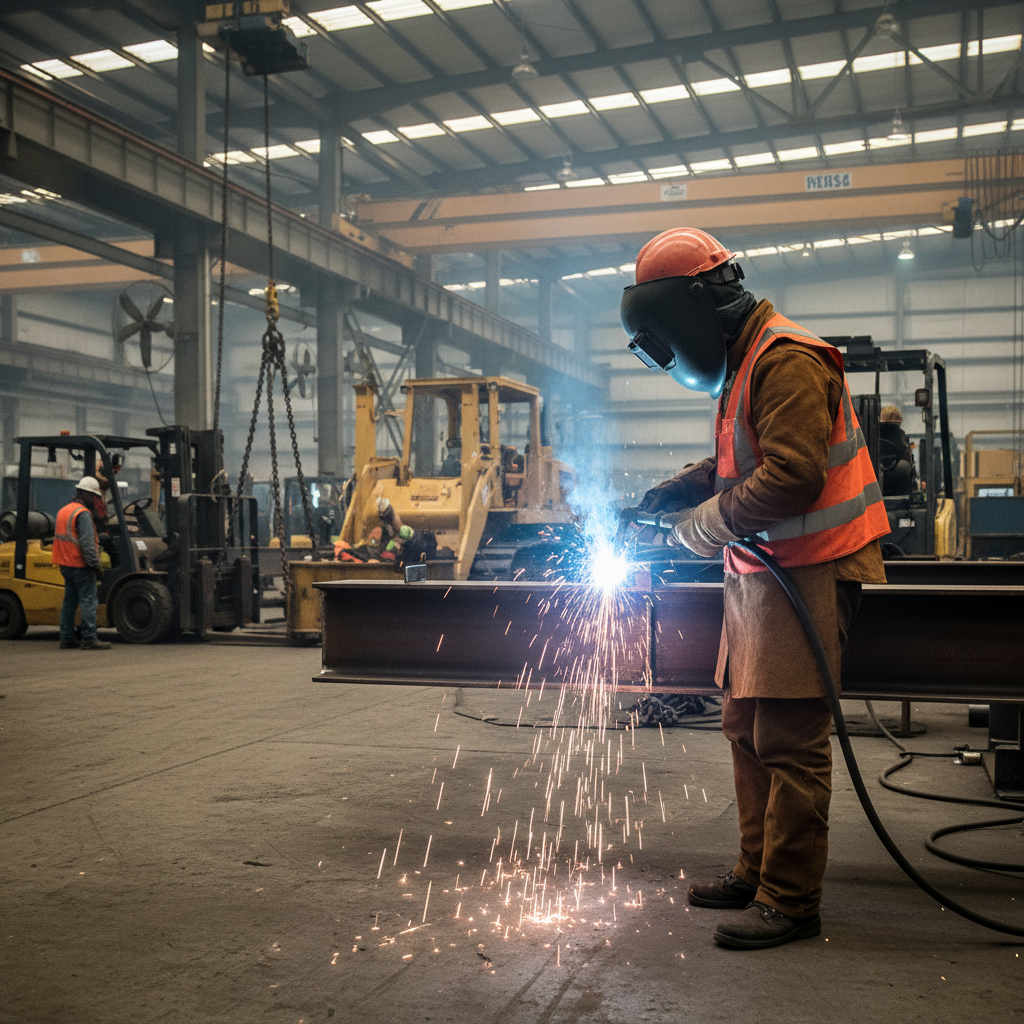
Crane operations sit at the intersection of technical precision and non-negotiable safety requirements. An overhead bridge crane moving a 20-ton load over an active work area demands a level of situational awareness, mechanical understanding, and procedural discipline that cannot be improvised or approximated. The consequences of error in this environment are immediate and severe.
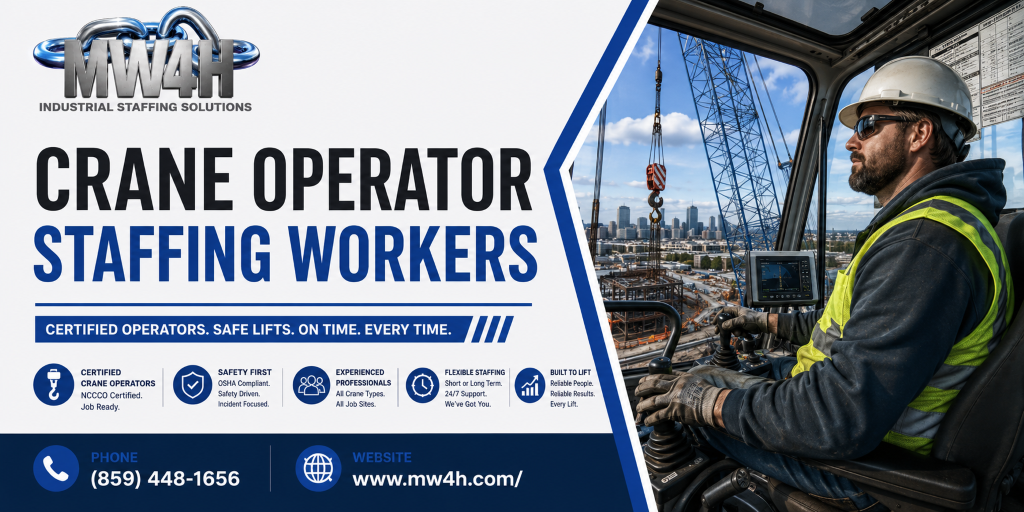
Crane Operator Staffing workers placed through professional industrial staffing channels bring the full package: current certifications from recognized bodies like NCCCO, a working knowledge of load charts and rigging requirements, familiarity with pre-operation inspection protocols, and the calm, methodical work style that safe crane operation requires. They understand the equipment they are operating at a level that goes beyond following a checklist. They know what warning signs to watch for, how to communicate effectively with riggers and signal persons, and how to manage lift plans that involve multiple variables.
The value of having properly qualified Crane Operator Staffing workers on-site extends beyond safety, though that alone would be reason enough. Efficient crane operation directly affects production throughput in facilities where heavy lifts are part of the regular workflow. An experienced operator who positions loads accurately, works smoothly with the ground crew, and maintains a consistent pace contributes to the facility's overall productivity in ways that are easy to overlook until you see the difference a less experienced operator makes.
OSHA data consistently shows that crane-related incidents cost industrial facilities an average of multiple times more than the fully loaded cost of qualified crane personnel. The math on proper staffing in this area is not close.
Crane operations are among the most heavily regulated activities in industrial environments. OSHA 1910.179 for overhead cranes, ASME B30 standards, and site-specific lift plan requirements all create a documentation and compliance framework that must be maintained continuously. Any gap in certification currency, any failure to conduct required pre-shift inspections, or any deviation from established lift plans creates liability exposure that can be costly far beyond the immediate incident.
When facilities bring in Crane Operator Staffing workers through a professional agency, the compliance infrastructure comes pre-built. Certifications are current. Inspection records are maintained. Documentation that satisfies both OSHA requirements and client safety programs is in place before the first lift happens. That compliance readiness is not something to take for granted, and it is one of the clearest distinctions between a qualified staffing partner and a general temp agency with names on a list.
The demand for qualified conveyor millwrights and crane operators has been rising steadily for years, driven by forces that are structural rather than cyclical. E-commerce growth has expanded the scale and complexity of distribution infrastructure dramatically. Manufacturing reshoring is adding industrial capacity at a pace that exceeds the available skilled workforce in many regions. And the experienced generation of tradespeople who built expertise across these disciplines over decades of field work is retiring faster than new professionals are reaching equivalent competency.
This is not a temporary labor market tightness that will resolve when economic conditions shift. It is a fundamental supply and demand imbalance in skilled industrial trades that will persist for the foreseeable future. Companies that develop effective strategies for accessing qualified professionals now, rather than waiting for conditions to change, are the ones that will manage through this environment most successfully.
Crane operator staffing workers and conveyor millwrights available through specialized agencies like Millwrights4Hire represent exactly this kind of strategic resource. These are professionals who have chosen to work through agency relationships because it gives them consistent, varied project work that matches their experience level. They are not available through general job boards. They are accessible through the staffing networks that have invested years in building relationships with working tradespeople in these disciplines.
The most experienced conveyor and crane professionals in the industry are rarely looking for their next job through traditional channels. They work through trusted relationships, and the agencies that have built those relationships over years are the ones that can deliver genuine quality on short notice.
One of the clearest advantages of working with a professional staffing partner for these specialized roles is the flexibility it provides. Conveyor installation projects have a defined start and end. Shutdown maintenance windows open and close on fixed schedules. Crane support for a facility expansion is needed during the build phase and tapers off once construction completes.
Trying to manage these variable workforce needs through direct hiring creates real problems. You either carry qualified professionals on payroll during periods when the work does not justify full-time positions, or you scramble to find qualified workers every time a project starts up. Neither option is efficient, and in disciplines where finding the right person already takes time, the scramble option carries significant schedule risk.
Professional staffing through Millwrights4Hire solves this cleanly. Bring in the qualified conveyor millwrights and crane professionals your project phase requires. Scale the workforce as the scope demands it. Close out the engagement when the work is complete. The flexibility is built into the arrangement, and the quality stays consistent because the workers are coming from a vetted, managed pool rather than whatever the open market produces under deadline pressure.
Not every staffing agency is equipped to source and vet professionals in specialized industrial trades. General staffing firms can fill administrative roles and basic labor positions, but the verification process for a conveyor millwright or a certified crane operator requires trade-specific knowledge that most generalist agencies simply do not have.
A qualified staffing partner for these disciplines should be able to verify specific certifications, assess relevant experience against your project's mechanical and operational requirements, and demonstrate a track record of successful placements in similar environments. They should also be able to mobilize workers quickly, because the value of a staffing solution that takes as long as direct hiring to deliver is limited.
Millwrights4Hire has built its practice specifically around industrial trades, with deep knowledge of the certifications, experience standards, and project demands that define quality in conveyor and crane work. That specialization is what allows them to make placements that perform reliably rather than placements that look good on paper and disappoint on-site.
The facilities that handle conveyor and crane workforce needs most effectively share a common trait. They plan for them before the pressure is on. They have established relationships with staffing partners who understand what qualified looks like in these disciplines. And when a project window opens or an unexpected need arises, they are not starting the search from scratch.
Conveyor systems and overhead crane operations are too technically demanding and too safety-critical for improvised workforce solutions. The people doing this work need to be genuinely qualified, properly certified, and experienced enough to contribute from the first day on-site. That standard requires a staffing approach that is built around quality rather than headcount.
Whether your facility is planning a major conveyor installation, preparing for a maintenance shutdown, supporting a new construction phase, or simply managing the ongoing need for qualified crane operators staffing workers and conveyor specialists, Millwrights4Hire is built to deliver the professionals your operation depends on. The right workforce is not a luxury in these environments. It is the foundation that everything else runs on.
Everything you need to know about Conveyor Millwright and Crane Operator Staffing workers.





























Reach out for staffing solutions or inquiries. We are here to assist you with your needs across various industries.